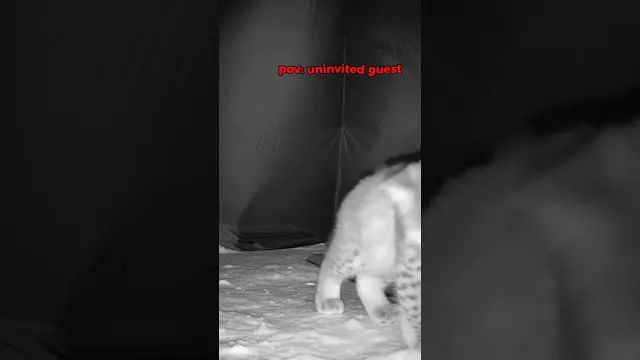
 Wild Baby Lynx Comes to Cuddle Inside a Camping Tent
#Baby Lynx
7 ideas
Wild Baby Lynx Comes to Cuddle Inside a Camping Tent
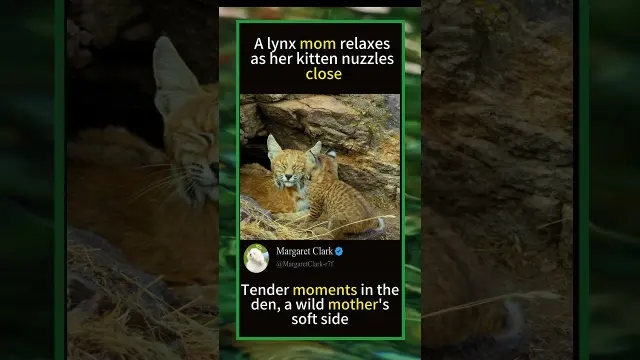 Tender Moment Between a Mother Lynx and Her Tiny Kitten
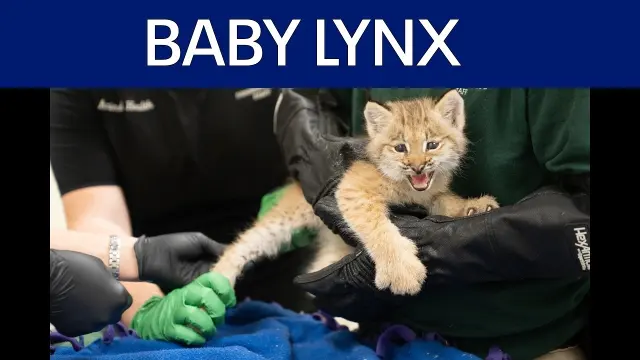 The Minnesota Zoo Welcomes New Canadian Lynx Kittens
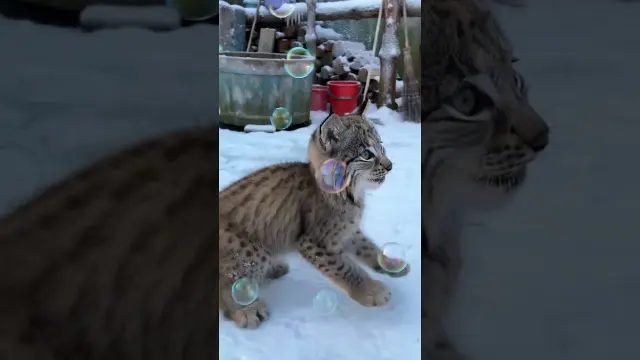 Fluffy Baby Eurasian Lynx Kitten Chases Soap Bubbles in Snow
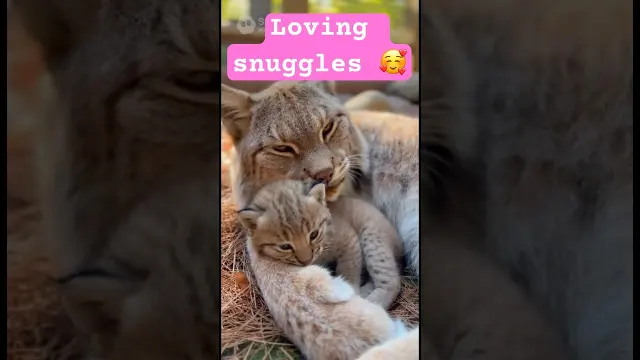 Baby Lynx Kitten Gets Groomed by Mom for Pure Cuddle Bliss
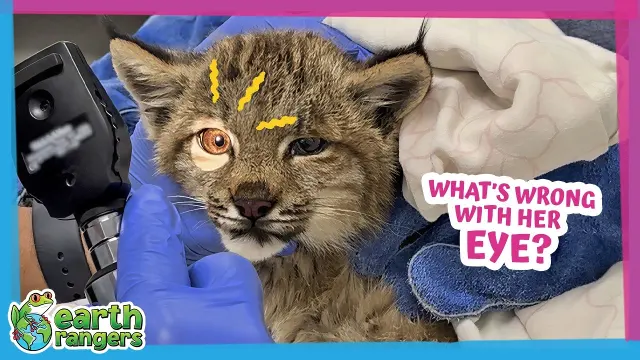 Emergency Rescue and Recovery for a Baby Lynx
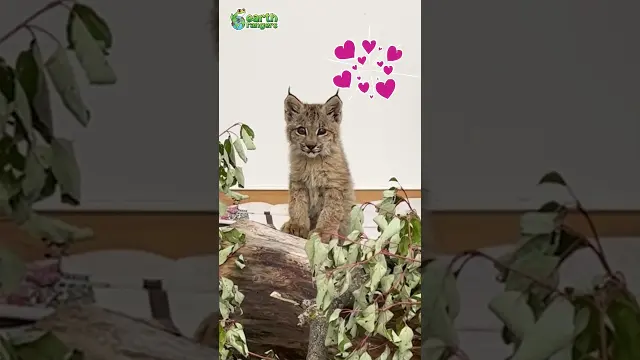 Meet Lumi the Rehabilitated Baby Lynx at Wildlife Center
Get new #Baby Lynx ideas by email
Every Thursday: the week's best ideas, with the newest from #Baby Lynx.
Related tags
Baby Lynx: A Guide to Lynx Kittens
What a baby lynx is
A baby lynx is the young of a lynx, a wild cat known for its tufted ears, short tail, and thick fur. Like other cat cubs, a baby lynx begins life small, helpless, and dependent on its mother. Over time it grows into a strong hunter adapted to cold forests, rocky country, and other northern habitats.
Lynx belong to the cat family, but they have a distinctive look. Even as kittens, they often show the long ear tufts, soft spotted coats, and oversized paws that help them move through snow. Their appearance can be both delicate and powerful, which is part of what makes them so memorable.
Where lynx live and how they grow
Read more
Lynx are found in forested regions across parts of North America, Europe, and Asia, depending on the species. A baby lynx is usually born in a den hidden in dense vegetation, under roots, or in a sheltered natural space. The mother raises the kittens alone and keeps them protected while they are small.
At first, the kittens rely completely on milk and warmth. As they grow, they begin to explore, play, and practice the movements they will need as adults. Play is not just fun for lynx kittens; it helps them learn balance, stalking, pouncing, and coordination. By watching the mother, they also begin to learn hunting behavior and how to move quietly through their environment.
What baby lynx look like
A baby lynx usually has:
- Soft, fluffy fur that offers some warmth and camouflage
- Rounded features that make it look more kitten-like than adult
- Developing ear tufts and facial ruffs
- Large paws that help with walking on snow later in life
The coat may look spotted or patterned when young, which can help with concealment in grass, brush, or woodland cover. As the animal matures, its body becomes more muscular and its hunting abilities improve.
How they live and behave
Baby lynx are curious, active, and dependent on close maternal care. They spend much of their early life in or near the den, gradually becoming more adventurous. Their behavior changes as they grow:
- Very young kittens sleep often and feed frequently
- Older kittens begin to play more and explore the surroundings
- Near independence, they start following and observing the mother more closely
Because they are wild animals, baby lynx should never be treated like domestic kittens. They need space, safety, and a natural environment. If you ever encounter one in the wild, the best approach is to keep your distance and avoid disturbing it.
What to know if you are learning about them
If you are interested in baby lynx, it helps to understand that their needs are tied to the wild places they come from. Their survival depends on shelter, prey, and a healthy habitat. In general, the best way to appreciate them is through observation, conservation awareness, and respect for wildlife.
A baby lynx is a good example of how wild cats begin life with vulnerability and grow into skilled, self-reliant animals. Watching their development offers a glimpse into the quiet, instinctive world of nature.
Videos come from YouTube and posts from Instagram; titles and summaries are our own. All rights belong to their creators.