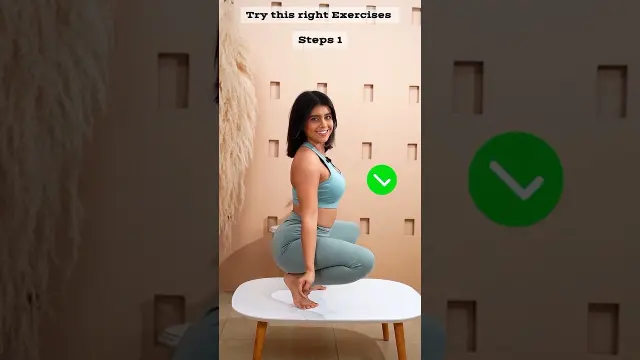
 Quick Exercise Routine for Spine Mobilisation and Health
#Back Care
2 ideas
Quick Exercise Routine for Spine Mobilisation and Health
 Five Minute Fitness Challenge for Better Posture and Spine Health
Get new #Back Care ideas by email
Every Thursday: the week's best ideas, with the newest from #Back Care.
Related tags
Back Care: Simple Habits for a Healthier Spine
Your back carries you through everything you do, yet most of us only think about it when it starts to complain. Back care is the everyday practice of looking after the muscles, joints and soft tissues that support your spine, and it belongs to ordinary life rather than to a clinic or a gym. The good news is that it rarely demands dramatic changes. Small, repeatable habits do most of the work.
Why movement matters more than posture
For a long time, back care was described almost entirely as a matter of sitting up straight. A more useful way to think about it is that no single position is perfect if you stay in it for hours. Your body responds well to variety: standing for a while, sitting for a while, walking to the kitchen, shifting your weight. If you work at a desk, the most valuable habit is simply to break up long stretches of stillness, getting up regularly even for a minute or two.
Setting up your space
Read more
Arrange your surroundings so that the comfortable option is also the easy one. At a desk, aim for a chair that lets your feet rest flat and your knees sit roughly level with your hips, with the screen close enough that you are not craning forward. A small cushion behind the lower back can add support. When lifting something heavy, whether a box or a toddler, bend at the knees and hips rather than folding from the waist, and keep the load close to your body. At home, a mattress that feels supportive rather than either rock-hard or deeply sagging is usually the better choice.
Gentle strength and mobility
Strong, flexible muscles give your spine better support, and you do not need equipment to build them. A few minutes of daily movement goes a long way: slow spinal rolls, gentle cat-and-cow curves on hands and knees, child's pose, hip stretches, and a simple bridge lying on your back. Walking is one of the most underrated forms of back care, because it moves the whole system without strain. If you are new to exercise, start small and build gradually rather than pushing through discomfort.
Rest, breathing and stress
Muscles in the back and shoulders tighten under stress, which is why a tense week often shows up as an aching upper back. Slow breathing, a warm shower, and a few minutes of deliberate relaxation can ease that pattern. Sleep matters too, since tired muscles recover poorly. Try to keep a regular rhythm of rest and activity rather than catching up on sleep only at weekends.
When to be careful
Some soreness after unaccustomed activity is normal and usually settles. Pain that is severe, persistent, follows a fall, or comes with numbness, weakness or difficulty controlling your bladder or bowels deserves prompt professional attention rather than exercise and patience. Talk to a qualified health professional if you are unsure, and especially before starting a new routine when you have an existing back condition or are pregnant.
Above all, treat back care as a long, gentle conversation with your body rather than a project with a finish line. Consistency, kindness and a little daily movement will carry you further than any single fix.
#Back Care: frequently asked questions
How do I start looking after my back if I've never really thought about it before?
Start with the smallest habits rather than a full routine: break up long stretches of sitting, get up and move around briefly, and walk when you can. Then add a few minutes of gentle movement you actually enjoy, and let it grow from there. Consistency matters far more than intensity, so pick something you can repeat on an ordinary day.
Do I need any equipment or a special chair to take care of my back?
No — most of the useful work needs nothing at all, since walking, gentle spinal rolls, hip stretches and simple floor poses use only your own body. If you sit at a desk, a chair that lets your feet rest flat with your knees roughly level with your hips helps, and a small cushion behind the lower back adds comfort. What matters is arranging things so the easy option is also the comfortable one.
Is there one correct posture I should hold all day?
Rather than chasing a single perfect position, it helps more to keep changing position — standing for a while, sitting for a while, walking about, shifting your weight. Even a good posture becomes tiring if you hold it for hours without a break. Variety is what your body responds to best.
How do I care for my back when my week is stressful or I'm sleeping badly?
Back and shoulder muscles tighten under stress, so slow breathing, a warm shower and a few deliberate minutes of relaxation can ease that pattern. Tired muscles also recover poorly, so try to keep a steady rhythm of rest and activity instead of saving up sleep for the weekend. Gentle daily movement is often more helpful than doing nothing at all.
What are the common mistakes people make when they start a back care routine?
Two frequent ones are doing too much too soon and pushing through discomfort instead of building gradually. The other is treating back care as a short project with a finish line and abandoning it once motivation dips. A few repeatable habits kept up over time will carry you further than any single big effort.
When should I stop exercising and see a professional instead?
Some soreness after unfamiliar activity is normal and usually settles on its own. Pain that is severe, persistent, follows a fall, or comes with numbness, weakness or trouble controlling your bladder or bowels deserves prompt professional attention rather than patience and exercise. If you are unsure, or you have an existing back condition or are pregnant, check with a qualified health professional before starting something new.
Videos come from YouTube and posts from Instagram; titles and summaries are our own. All rights belong to their creators.