 Quick Exercise Routine for Spine Mobilisation and Health
#Spine Health
10 ideas
Quick Exercise Routine for Spine Mobilisation and Health
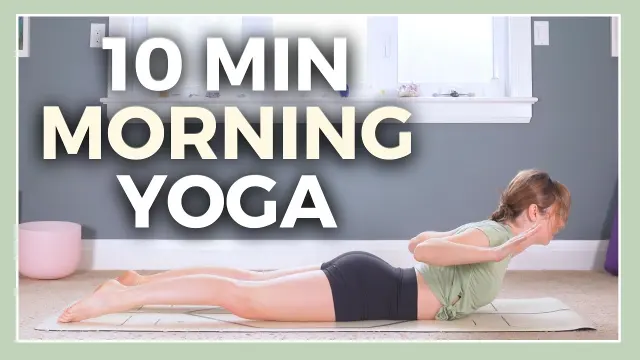 Ten Minute Morning Yoga Flow for Spine Mobility and Flexibility
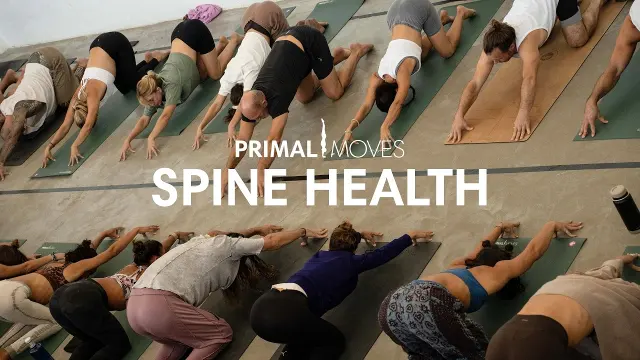 Primal Moves Conditioning Session Focused on Spine Health
 Essential Movement Routine for a Healthy Spine
 Evaluating Spine Health Based on Anatomy and Biomechanics
 Five Minute Fitness Challenge for Better Posture and Spine Health
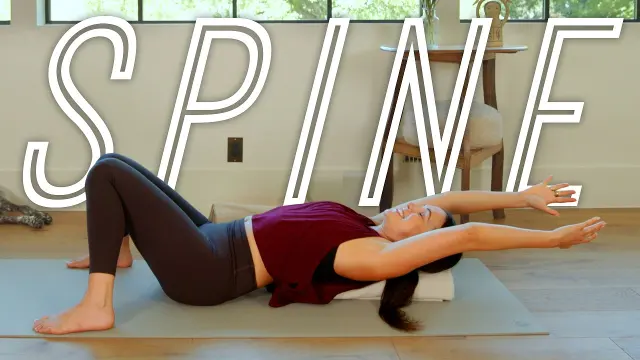 Yoga Practice for Neck Hump and Upper Spine Posture
 Five Trending Spine Mobility Exercises for Better Movement
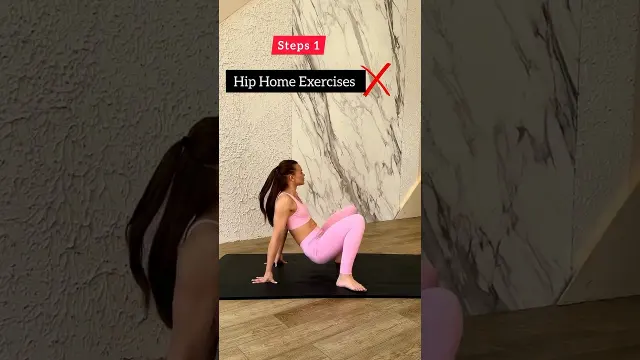 Hip Exercises for Health and Spine Mobilisation
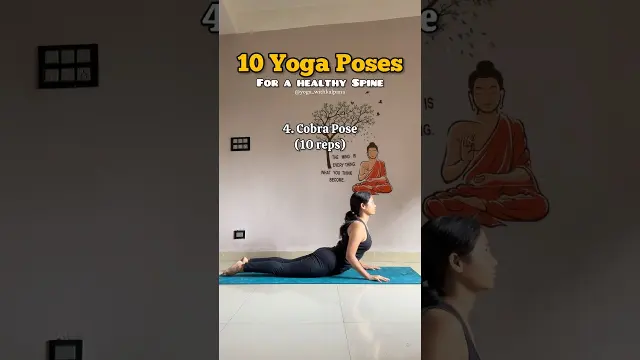 10 Yoga Poses for a Healthy Spine
Get new #Spine Health ideas by email
Every Thursday: the week's best ideas, with the newest from #Spine Health.
Related tags
Spine Health Guide
What spine health means
Your spine is the central support structure of your body. It helps you stand upright, bend, twist, and carry everyday loads while protecting the spinal cord. Good spine health is not about keeping your back perfectly straight all the time. It is about helping your spine stay flexible, stable, and comfortable through daily life.
The spine is made up of small bones called vertebrae, cushioned by discs and supported by muscles, ligaments, and joints. Because so many parts work together, spine health depends on more than one habit. Movement, posture, strength, flexibility, and rest all play a part.
Common reasons people think about spine care
Read more
Many people become more aware of their spine when they spend long hours sitting, lift awkwardly, sleep poorly, or feel stiffness after inactivity. Age, weak core muscles, repetitive strain, and limited movement can also affect comfort. Sometimes the issue is simply tension or fatigue, while other times it may be linked to a specific condition.
A healthy approach is to notice patterns. If you often feel stiff after sitting, for example, more frequent movement breaks may help. If your back feels weak during lifting or carrying, building strength and improving technique can make everyday tasks easier.
Habits that support a healthy spine
- Move regularly rather than staying in one position for too long.
- Change posture often instead of trying to hold one “perfect” position.
- Sit and stand with your weight balanced.
- Bend from the hips and knees when picking up objects.
- Keep objects close to your body when lifting or carrying.
- Support good sleep with a comfortable mattress and pillow setup.
- Stay active in ways that suit your body, such as walking, swimming, stretching, or gentle strength work.
Core strength matters, but so does flexibility. Tight hips, hamstrings, chest muscles, or shoulders can change how your spine moves and feels. Gentle stretching and mobility work can help you move more freely.
Exercise and posture basics
A strong spine usually benefits from a mix of exercises:
- Core exercises that support the trunk
- Back and glute strengthening for stability
- Stretching for the hips, chest, and hamstrings
- Low-impact aerobic activity for circulation and general fitness
When it comes to posture, think of ease rather than rigid correction. A good posture is one you can maintain comfortably. If you are sitting for long periods, try to keep your feet supported, your shoulders relaxed, and your screen at a comfortable height. If you are standing, distribute your weight evenly and avoid locking your knees.
When to be cautious
Mild stiffness often improves with movement and rest, but persistent or severe pain deserves attention. You should seek professional advice if back pain is ongoing, spreading, or associated with numbness, weakness, or changes in bladder or bowel control. It is also wise to get help if pain follows an injury or keeps returning.
Spine health is a long-term habit, not a quick fix. Small, steady choices can make a meaningful difference: move often, strengthen gradually, and treat your back with patience.
#Spine Health: frequently asked questions
How can I start improving my spine health at home?
A simple place to begin is with gentle daily movement, posture changes, and short mobility breaks instead of staying in one position too long. Add light stretching and easy core or back work so your spine gets both support and flexibility.
What kind of exercises are best for a healthy spine?
The most helpful routines usually mix core strengthening, back and glute work, mobility for the hips and upper body, and low-impact activity. Gentle yoga flows, simple mobility drills, and controlled strengthening can all support better movement and comfort.
How do I choose the right posture or movement style for spine care?
Choose the position that feels balanced and easy to hold, rather than trying to force one perfect posture. Whether you are sitting or standing, aim for relaxed shoulders, supported feet, even weight distribution, and movement changes throughout the day.
What should I focus on if my spine feels tight after sitting or lifting?
If stiffness shows up after sitting, moving more often and loosening the hips, chest, and hamstrings can help your body feel less restricted. If lifting feels awkward, keep objects close, bend from the hips and knees, and build strength gradually.
What are common mistakes people make with spine health?
A common mistake is staying still for too long or trying to hold a rigid posture all day. Another is relying only on one area, when good spine care usually needs a mix of movement, strength, flexibility, and rest.
Videos come from YouTube and posts from Instagram; titles and summaries are our own. All rights belong to their creators.