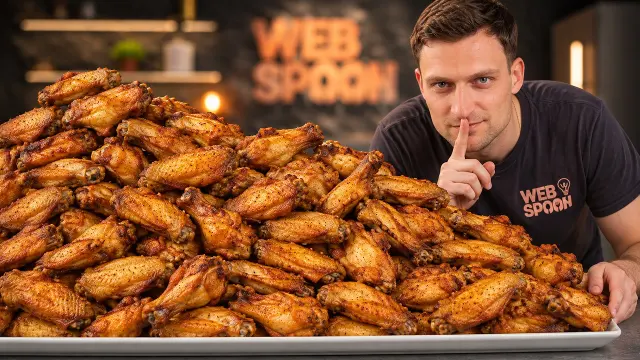
 Five Crispy Chicken Wing Recipes Without Old-School Frying
#Baked Wings
1 ideas
Five Crispy Chicken Wing Recipes Without Old-School Frying
Get new #Baked Wings ideas by email
Every Thursday: the week's best ideas, with the newest from #Baked Wings.
Related tags
Baked Wings: A Simple Guide to Crispy Oven Chicken Wings
Chicken wings are one of those foods that seem to demand a deep fryer, yet the oven produces excellent results once you understand what it is doing. Baking wings is the practice of cooking them on a tray in a hot oven rather than submerging them in oil. The appeal is straightforward: less mess, less oil, and a tray that can be prepared ahead and finished while you set the table.
Where the wing fits
A chicken wing has three parts. The drumette looks like a tiny drumstick, the flat is the middle section with two thin bones, and the tip is the small pointed end, usually removed and saved for stock. Drumettes and flats cook differently: flats have more skin and render more fat, while drumettes are meatier and hold heat longer. The naming can confuse, because the flat is also sold as the wingette, while the drumette is a separate cut with its own shape and texture. Many cooks buy them already separated, which saves time and gives more even cooking.
How the oven makes them crisp
Read more
The skin is the whole story. Chicken skin browns through the Maillard reaction, the same browning that happens on toast, and that reaction needs dry heat and a dry surface. Water on the skin steams instead of browning, so anything that removes moisture helps. Patting the wings thoroughly dry is the single most useful step. Some cooks toss them lightly in a small amount of baking powder or cornstarch, which draws moisture away and creates a thin, brittle crust. Others salt them and leave them uncovered in the refrigerator for a few hours, which both seasons and dries the surface.
Two more principles matter. First, give them room: crowded wings release steam into a trapped pocket of air and end up pale and soft. Second, use high heat and finish with a hotter burst, or start them skin-side up and turn once. A wire rack set inside a baking sheet lets fat drip away and hot air reach the underside, which is why it is so often recommended.
Styles worth knowing
Baked wings are a carrier for almost any seasoning. The American pub tradition leans on a butter and hot sauce coating, applied after baking so the sauce thickens rather than burns. Dry rubs of paprika, garlic, cumin and brown sugar work well because they crisp as they cook. Soy, honey and ginger glazes suit an Asian-inspired tray; lemon, oregano and olive oil move toward Mediterranean flavours; and a simple dusting of salt and pepper lets the meat speak. Sauce goes on at the end either way, because sugar burns before the skin has browned.
Practical tips for beginners
- Buy wings already separated and pat them dry before anything else.
- Season a little earlier than you think and let them sit uncovered in the refrigerator.
- Preheat the oven properly and use a rack or a lined tray with space between pieces.
- Turn them once, halfway through, and judge by colour and feel rather than a timer.
- Rest them a few minutes before saucing, so the coating clings instead of sliding off.
- Reheat leftovers in a hot oven, never a microwave, if you want the skin back.
Baked wings are forgiving once the drying step becomes habit. Start plain, learn how your own oven behaves, and the sauce can come later.
#Baked Wings: frequently asked questions
Do I need any special equipment to bake chicken wings at home?
A baking sheet and a properly preheated oven will get you there — a wire rack is helpful but not required. Lining the tray saves cleanup, and tongs make turning the pieces easy. Everything else is optional.
Should I buy drumettes or flats, and does it matter?
Either works, and buying them already split gives the most even cooking. Drumettes are meatier and hold their heat longer, while flats have more skin and crisp more readily, so a mix suits a crowd. Choose based on whether you want juicy bites or crunchy edges.
What actually makes baked wings crispy instead of soggy?
A dry surface is the key — moisture on the skin steams and keeps it pale. Pat the pieces thoroughly and let them sit uncovered in the refrigerator before baking if you have time. Leaving space between them on the tray matters just as much, since trapped steam softens the crust.
What is the most common mistake people make with baked wings?
Coating them with sauce before they go into the oven, which lets the sugar scorch before the skin has browned. Crowding the tray is the other frequent slip — it undoes all the drying you did. Sauce at the end, and give each piece room.
How do I handle leftovers so they still taste good?
Store them covered in the refrigerator and bring them back in a hot oven rather than a microwave. The oven restores some of the crispness that reheating the other way turns soft. A brief rest before serving lets the coating settle.
What flavour ideas work well for a party tray?
A butter-and-hot-sauce coating gives a pub feel, while a paprika and brown sugar rub crisps as it bakes. A soy, honey and ginger glaze or a lemon and oregano drizzle both suit a shared table. Offer more than one so guests can mix and match.
Videos come from YouTube and posts from Instagram; titles and summaries are our own. All rights belong to their creators.