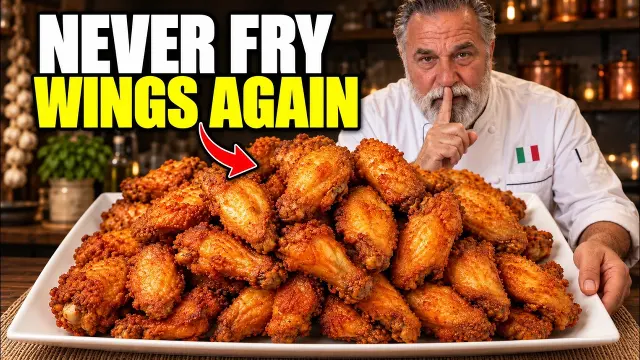
 Italian Oven Method for Shatter-Crisp Chicken Wings
#Chicken Wings
13 ideas
Italian Oven Method for Shatter-Crisp Chicken Wings
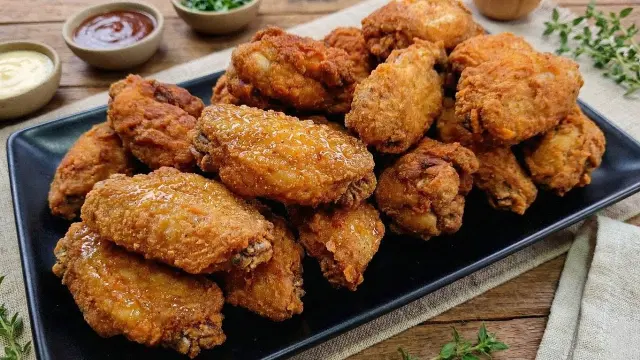 Crispy Fried Wings With a Flour and Cornstarch Breading
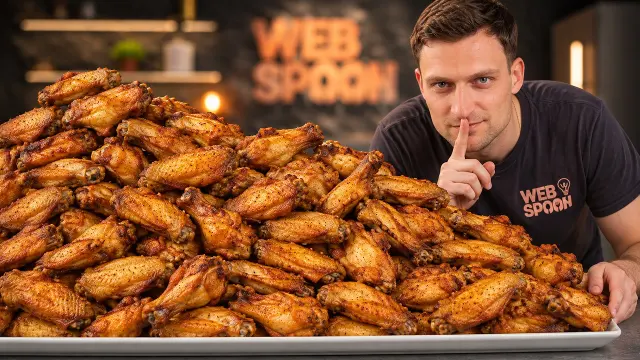 Five Crispy Chicken Wing Recipes Without Old-School Frying
 Simple Oven-Baked Chicken Wings for Game Day
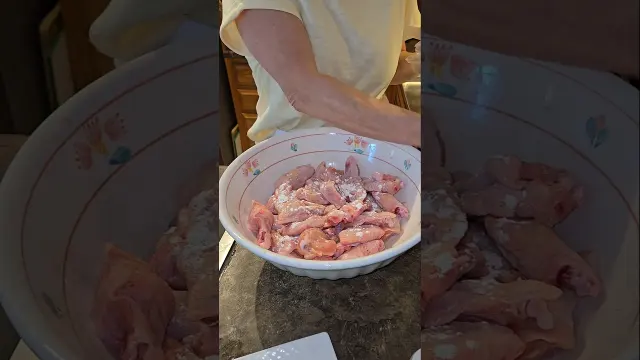 Baked Crispy Wings Made From a Family Recipe
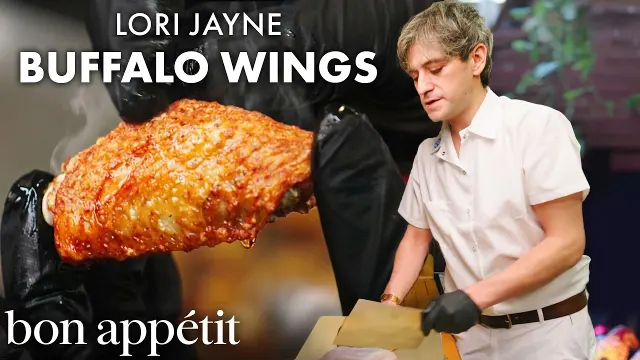 Building Brooklyn-Style Buffalo Wings From Scratch
 How to Debone a Chicken Wing for Stuffing
 Eight Reliable Ways to Cook Chicken Wings at Home
 Kellz Fried Chicken Wings With Wet and Dry Batter
 Chicken Wings Glazed With a Homemade Portuguese Sauce
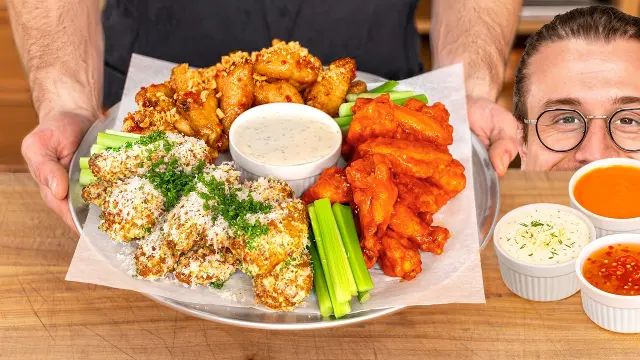 Chicken Wings at Three Skill Levels, Beginner to Pro
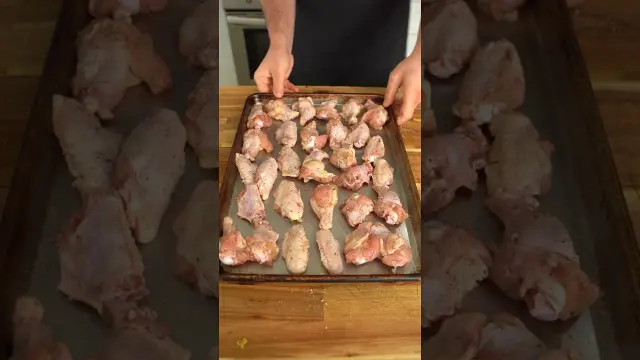 Oven-Baked Lemon Pepper Chicken Wings Recipe
 One-Pot Jamaican Curry Chicken Wings
Get new #Chicken Wings ideas by email
Every Thursday: the week's best ideas, with the newest from #Chicken Wings.
Related tags
Chicken Wings: A Guide to Cuts, Cooking and Sauces
Chicken wings were once the part of the bird that cost almost nothing, saved for stock pots and family suppers. They became a favourite in their own right because they are quick to cook, forgiving, and easy to eat with your hands. Today they turn up everywhere from bar menus to wedding buffets, in sweet, sour, spicy and smoky versions that reflect whatever flavours the cook grew up with.
Know your cuts
A whole wing has three parts. The drumette looks like a miniature drumstick and holds more meat. The flat is the thin, two-boned middle section, with a higher ratio of skin to meat. The tip is mostly bone and collagen, and is best saved for stock. Most recipes call for the wing split into drumettes and flats, sold together or separately. Remember that the two cook at different speeds: flats crisp faster and can dry out, while drumettes need a little more time.
Ways to cook them
Read more
Deep frying gives the crispest skin and a tender interior. Oven baking is simpler and needs less oil, especially when the wings sit on a rack so hot air reaches every side. Grilling adds smoke and char but demands attention, since the fat drips and flares. Smoking cooks them slowly and deeply, and many cooks finish smoked wings over high heat to firm the skin. Braising and stewing, common in Caribbean, African and Asian kitchens, produce soft wings in a rich sauce rather than crisp ones. An air fryer falls somewhere between frying and baking, and works well in small batches.
Styles worth learning
The American bar classic tosses fried wings in a mixture of hot sauce and melted butter, served with celery and a blue cheese dip. Barbecue versions glaze with something sweet, sticky and smoked. Korean fried chicken is known for its thin, glassy crust and a finish of garlic, soy and chilli. Jamaican curry wings simmer the meat in toasted spices until it falls from the bone. Sichuan and Vietnamese cooks bring numbing pepper or fish sauce and sugar to the table, while jerk seasoning and citrus marinades show up across the Caribbean.
Getting the skin right
The single most useful habit is drying the wings thoroughly before cooking. Moisture is the enemy of crispness. Pat them with paper towels, leave them uncovered in the fridge for a while, and avoid crowding the pan, which traps steam. A thin dusting of baking powder, not soda, helps the skin bubble and brown in the oven. When frying, keep the oil at a steady moderate heat so the inside cooks before the outside burns, and fry in batches. Some cooks fry twice, letting the wings rest in between, for an exceptionally crisp result.
Sauce and serving
Toss wings in sauce only at the moment of serving, or the coating softens. Warm the sauce first so it spreads evenly, and keep sweet glazes for the final minutes on the grill, where sugar can scorch. Serve with something cool and sharp: pickles, a yoghurt dip, lemon wedges, or a plain rice and salad on the side. However you cook them, handle raw chicken carefully, keep it away from ready-to-eat food, make sure the meat is cooked through with clear juices, and refrigerate leftovers promptly.
#Chicken Wings: frequently asked questions
What is the difference between drumettes and flats, and which should I pick?
A whole wing splits into a meaty drumette that looks like a tiny drumstick and a thinner two-boned flat with more skin. Flats crisp up quickly and can dry out, while drumettes need a little longer in the heat. Many people buy them together and simply give the flats a head start, or choose flats when crunch matters most and drumettes when they want a juicier bite.
How do I get really crisp skin without deep frying?
The key is removing surface moisture: pat the wings dry, then let them sit uncovered in the fridge so the skin dries out further. Bake them on a rack so hot air reaches every side, leave space between pieces, and a light dusting of baking powder helps the skin bubble and brown. An air fryer works well too, as long as you cook in small batches.
Which cooking method should a beginner start with?
Oven baking is the most forgiving place to begin, since it needs little oil and less attention than grilling or frying. Once you are comfortable judging doneness and getting the skin dry, move on to frying for the crispest result or grilling for smoke and char. Braising is a good alternative if you would rather have tender wings in sauce than crisp ones.
What are some good flavour directions to try beyond the classic hot sauce version?
The hot sauce and butter toss is only one option among many. Barbecue glazes bring sweetness and smoke, Korean-style finishes lean on garlic, soy and chilli, and Caribbean cooking offers curry, jerk and citrus marinades, while Sichuan and Vietnamese kitchens use numbing pepper or fish sauce with sugar. Pick a style you already enjoy eating and build the sauce around it.
When should I sauce the wings, and what goes on the side?
Toss them in sauce right before serving, because a coating applied early softens the crust you worked for; warming the sauce first helps it spread evenly. Sweet glazes belong in the last minutes on the grill, where sugar can scorch. Cool, sharp accompaniments balance the richness well, such as pickles, a yoghurt or blue cheese dip, lemon wedges, or plain rice and salad.
What mistakes most often spoil a batch of wings?
Wet skin and a crowded pan are the two biggest culprits, since trapped moisture steams the wings instead of browning them. Frying at oil that is too hot browns the outside before the inside is done, so keep the heat moderate and cook in batches. Also avoid saucing too early, and handle raw chicken carefully, keeping it away from ready-to-eat food and making sure the meat is cooked through with clear juices.
Videos come from YouTube and posts from Instagram; titles and summaries are our own. All rights belong to their creators.