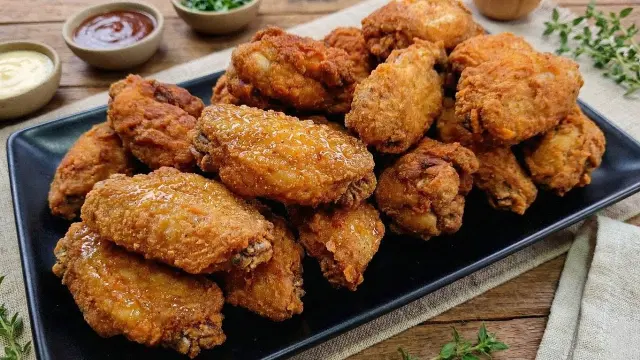
 Crispy Fried Wings With a Flour and Cornstarch Breading
#Crispy Wings
4 ideas
Crispy Fried Wings With a Flour and Cornstarch Breading
 Simple Oven-Baked Chicken Wings for Game Day
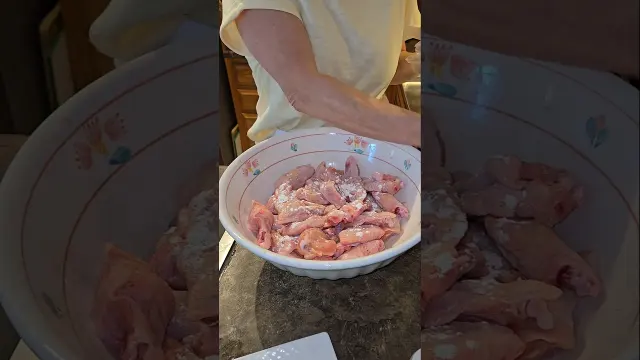 Baked Crispy Wings Made From a Family Recipe
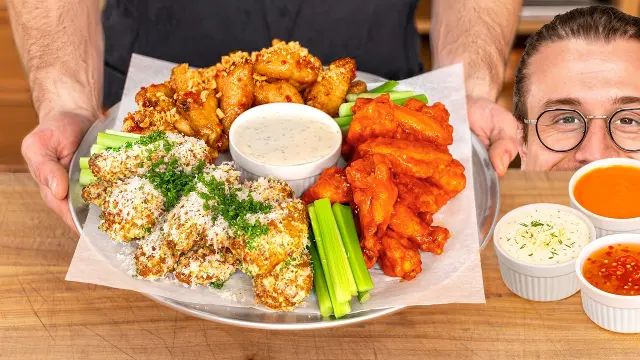 Chicken Wings at Three Skill Levels, Beginner to Pro
Get new #Crispy Wings ideas by email
Every Thursday: the week's best ideas, with the newest from #Crispy Wings.
Related tags
Crispy Chicken Wings: A Guide to Golden, Crackling Skin
Chicken wings are one of the few foods that seem to please absolutely everyone. Small enough to eat with your hands, rich enough in skin and connective tissue to stay juicy when cooked hard, and neutral enough to carry almost any flavour you throw at them. That combination is why they went from a cheap cut — long used for stock — to a fixture of bars, backyard tables and game-day spreads.
The anatomy of a wing
A whole wing has three parts: the drumette, which looks like a tiny drumstick; the flat, also called the wingette, with two parallel bones; and the wingtip, which is mostly skin and bone and is usually removed and saved for stock. Most cooks split the wing at the joints and discard or freeze the tips. Splitting is optional but makes for more even cooking and tidier eating.
Why some wings turn out soggy
Crispness comes down to water. Skin that is still wet steams instead of browning, and a crowded pan traps the moisture that escapes. Almost every reliable technique boils down to the same three moves:
- Dry the wings thoroughly with paper towels.
- Give them time uncovered in the fridge so the surface dries further.
- Keep space between them, whether on a tray, in a basket or in an air-fryer drawer.
Read more
A light coating helps too. A dusting of cornstarch or baking powder, tossed with salt and a little pepper, encourages browning and a thin, glassy crust without anything resembling batter.
The main methods
Oven baking is the easiest and the least messy. A wire rack set inside a baking tray lets hot air move underneath, so the skin crisps on both sides and the fat drips away. Higher heat and a longer, slower start both work; the key is not to rush the final browning stage.
Deep frying gives the most dramatic crunch. A single fry at moderate heat produces tender wings with a sturdy crust; a double fry — cooked through, rested, then flashed at higher heat — pushes the exterior further into shatteringly crisp territory. Flour and cornstarch blends are the classic coating.
Air frying sits between the two: fast, economical with oil, and forgiving if you shake the basket now and then.
Sauces and seasonings
Wings can be tossed wet or dry. The best-known wet sauce is the simple emulsion of hot sauce and melted butter, but honey and garlic, soy and ginger, or a vinegary herb dressing all work. Dry rubs — smoked paprika, cumin, garlic powder, brown sugar, citrus zest — cling best when applied to already-crisp wings just before serving. If you are saucing, do it at the very end: liquid sitting on the skin for long will soften it again.
What beginners should know
Buy wings that look plump and smell clean, and cook them until the meat is opaque at the bone and the juices run clear; a thermometer takes the guesswork out. Salt early if you can — even an hour helps — and taste a single wing before you commit the whole batch to a seasoning. Above all, do not fear high heat. Wings are forgiving, and the worst that usually happens is a little char, which is often the best part.
#Crispy Wings: frequently asked questions
How do I get chicken wings really crispy at home?
Start by drying the wings very well, then let them rest uncovered in the fridge so the skin dries even more. Keep them in a single layer with space around each piece, and add a light dusting of cornstarch or baking powder for a crisper finish.
Should I bake, fry, or air-fry wings if I am a beginner?
Baking is the easiest and least messy method, especially if you use a wire rack so air can circulate around the wings. Air-frying is also beginner-friendly because it is quick and uses less oil, while deep frying gives the boldest crunch if you are comfortable with it.
What kind of wings should I buy for the best results?
Choose wings that look plump and smell fresh and clean. Whole wings can be split into drumettes and flats for more even cooking and easier eating, while wing tips are usually saved for stock.
When should I add sauce so the wings stay crisp?
Add wet sauce at the very end, right before serving, because sauce left on the skin too long will soften it. If you want more crunch, toss the wings with a dry rub after they are cooked instead of using a heavy wet coating.
What are some good wing ideas for game day or a party?
Simple oven-baked wings are great for a crowd because they are easy to make and serve. You can also offer a few finishes, like hot sauce and butter, honey and garlic, or a dry spice blend, so guests can choose their favorite style.
Videos come from YouTube and posts from Instagram; titles and summaries are our own. All rights belong to their creators.