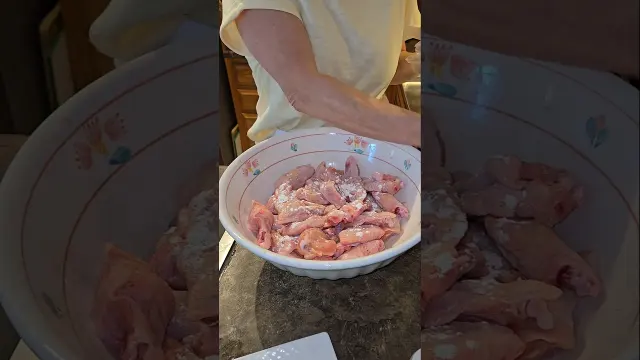
 Baked Crispy Wings Made From a Family Recipe
#Family Recipe
2 ideas
Baked Crispy Wings Made From a Family Recipe
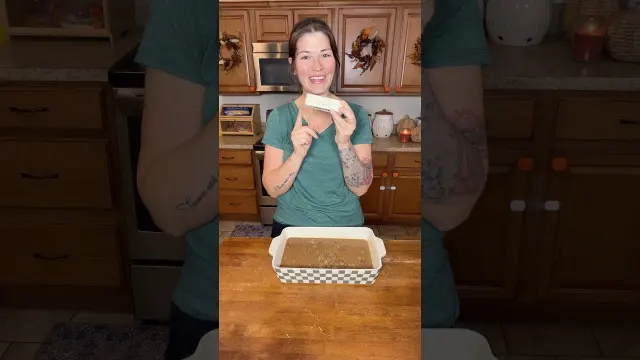 Grandma’s Easy Beef Dinner Recipe
Get new #Family Recipe ideas by email
Every Thursday: the week's best ideas, with the newest from #Family Recipe.
Related tags
The Heart of Family Recipes
A family recipe is much more than a set of ingredients and cooking instructions. It is a tangible piece of heritage, carrying the stories, traditions, and distinct flavors of the people who came before us. Passed down quietly through generations, these dishes connect us to our roots and offer a sense of comfort that modern dining rarely replicates. Whether it is a rich holiday roast, a simple weekday stew, or a humble baking project, a family recipe holds a unique place in the home.
The tradition of family cooking often begins with everyday necessity combined with local ingredients and cultural heritage. Historically, home cooks relied on what was seasonally available, affordable, and nourishing for their households. Over time, through repeated preparation and minor adjustments, certain dishes became staples. These meals evolved organically, adapting to new places and changing tastes while retaining their core identity.
Preserving Your Culinary Heritage
Capturing these dishes before they are forgotten is a rewarding endeavor. Many classic recipes exist only in the memories of older relatives, measured by handfuls, pinches, and intuition rather than standard units.
Read more
- Talk with older family members while preparing their signature dishes to observe their techniques and timing.
- Write down measurements, but pay close attention to sensory cues such as color, texture, and aroma.
- Document the stories behind the dish, including who made it famous and on what occasions it was served.
Tips for Modern Cooks
Adapting traditional dishes for contemporary kitchens allows these traditions to thrive in busy households. You do not need professional equipment or rare ingredients to honor a family classic. Start by making the recipe as it was originally intended, and only then introduce modifications if dietary needs or modern appliances require them. Involve younger family members in the process early on, turning cooking into a shared experience rather than a chore. By teaching children how to knead dough, stir sauces, or taste for seasoning, you pass on both a skill and an appreciation for shared history. Ultimately, the true value of a family recipe lies not in perfection, but in the warmth and togetherness created around the table.
#Family Recipe: frequently asked questions
How do I start writing down a family recipe that has never been measured?
Begin by cooking alongside the relative who knows the dish best, watching rather than interviewing, because much of the method lives in their hands. Note the ingredients as they go in and record the sensory cues they rely on, such as how the color deepens or the aroma changes. Cook it yourself soon afterward while the memory is fresh, and correct your notes where the result differs.
What should I include beyond the ingredient list?
Write down the occasion the dish belongs to, who usually made it, and any small habits that make it recognizable, like the pan it was cooked in or the way it was served. Capture the timing and texture cues that a written list of ingredients cannot convey. Adding a short note about the story behind the dish turns a set of instructions into something future cooks will actually want to make.
How do I decide which family recipes are worth preserving first?
Start with the dishes that only one person still knows how to make, since those are the ones most easily lost. Everyday staples are often more valuable than showpiece dishes, because they carry the most memories and get cooked most often. If you are unsure, ask relatives which meals they remember most vividly from childhood.
Can I adapt a traditional recipe for a modern kitchen without losing its character?
Make the dish as it was originally intended before changing anything, so you know what you are working from. After that, adjust for dietary needs or the equipment you have, changing one element at a time so you can taste the difference. Small substitutions usually work well, while overhauling the core technique tends to erase what made the dish distinctive.
What are common mistakes when cooking from an old family recipe?
The most frequent problem is treating a loosely written recipe as exact, when words like a handful or a slow simmer depended on the original cook's judgment. Another is skipping the steps that seem unimportant, such as resting the dish or preheating the pan properly. Rushing the process and expecting a first attempt to match a remembered taste is also common, so plan to cook it more than once.
How can I get children involved in family cooking?
Give them a real job suited to their age, such as kneading dough, stirring a sauce, or tasting for seasoning, rather than a token task. Tell them the story of the dish while you work together, so the cooking becomes a shared memory instead of a chore. Cooking it together regularly matters more than getting it perfect the first time.
Videos come from YouTube and posts from Instagram; titles and summaries are our own. All rights belong to their creators.