 Kellz Fried Chicken Wings With Wet and Dry Batter
#Seasoning
2 ideas
Kellz Fried Chicken Wings With Wet and Dry Batter
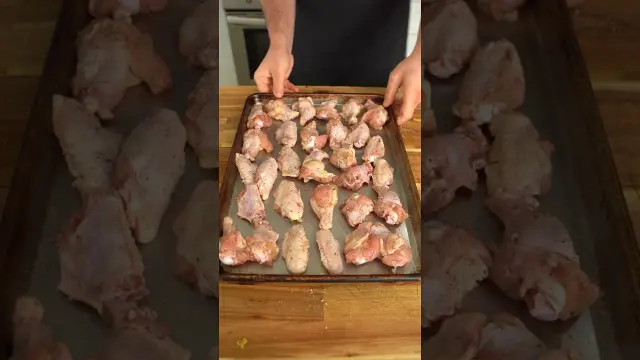 Oven-Baked Lemon Pepper Chicken Wings Recipe
Get new #Seasoning ideas by email
Every Thursday: the week's best ideas, with the newest from #Seasoning.
Related tags
Seasoning: How to Build Flavour in Everyday Cooking
Seasoning is the craft of bringing out the flavour already in your ingredients, and adding depth where it is missing. The word covers salt and pepper, herbs and spices, but also vinegars, citrus, sauces, fats and aromatics like garlic and onion. It is the difference between food that merely fills you and food that tastes like it was made by someone paying attention.
The foundation is salt
Salt is not a flavour in itself so much as a switch that turns other flavours on. Used early, it draws moisture out and seasons from within; used at the end, it sharpens what is already there. This is why cooks taste as they go. Season in small amounts, stir, taste, and repeat. Once food is oversalted it is difficult to walk back, though a squeeze of lemon, a spoonful of something dairy or a little extra bulk can soften the blow.
Layers, not a single hit
Read more
Good seasoning tends to arrive in stages rather than all at once. Salt at the start of cooking, aromatics in the middle, fresh herbs or a splash of acid at the end. Each layer does a different job, and together they read as complexity. A dish that tastes flat is often not undersalted but missing something sharp or savoury: try acid before reaching for the salt cellar.
Herbs and spices
Herbs are the leaves of plants, used fresh or dried; spices are seeds, bark, roots and buds. Dried herbs hold up in long cooking, while fresh ones are best added near the end or scattered raw. Whole spices keep their aroma far longer than ground, so toasting them briefly in a dry pan and grinding them yourself makes a noticeable difference.
Blooming is the other technique worth learning. Heating ground spices in a little oil or fat for a few seconds releases their oils and carries the flavour through the whole dish. Keep the heat modest and keep things moving, because spices scorch quickly and turn bitter.
Blends and balance
Spice blends, pastes and rubs exist in every cuisine because certain combinations simply work. Making your own lets you adjust to taste and use what you have. Whichever you choose, remember that blends often contain salt already, so season accordingly.
Beyond salt and heat, four things balance a dish: sour, sweet, bitter and savoury. If something tastes dull, a little acid often wakes it up. If it tastes harsh, a touch of sweetness or fat rounds the edges. If it feels thin, something savoury — mushrooms, soy, a long-simmered stock — gives it body.
What beginners should know
Start with less than you think you need and adjust. Keep a small dish of salt within reach whenever you cook. Taste at every stage, not just at the end. Write down what you did when something works, because seasoning is learned by repetition more than by recipe.
Most of all, season to your own palate. Recipes are a starting point; your tongue is the final judge.
#Seasoning: frequently asked questions
How do I start seasoning food if I'm a beginner?
Begin with less salt than you think you need, stir, taste, and add a little more rather than salting in one big hit. Keep a small dish of salt within reach while you cook and taste at every stage, not just at the end. Seasoning is learned by repetition more than by recipe, so jot down what you did when a dish turns out well.
If a dish tastes flat, does it always need more salt?
Often it doesn't — flatness usually means something sharp or savoury is missing rather than salt. Try a squeeze of citrus or a splash of vinegar first, or add something savoury like mushrooms or a long-simmered stock if the dish feels thin. Reach for the salt cellar only after you've checked those.
What's the difference between herbs and spices, and when should I add each?
Herbs are the leaves of plants, used fresh or dried, while spices come from seeds, bark, roots and buds. Dried herbs hold up in long cooking, whereas fresh ones are best added near the end or scattered raw. Whole spices keep their aroma far longer than ground, so toasting and grinding them yourself makes a noticeable difference.
What does blooming spices mean, and why bother?
Blooming means heating ground spices briefly in a little oil or fat so their oils release and the flavour carries through the whole dish. Keep the heat modest and keep things moving, because spices scorch quickly and turn bitter. It takes only a moment but adds real depth.
Can I make my own spice blends, and do I need to change how I salt?
Yes — mixing your own lets you adjust to your taste and use what you already have. Bear in mind that blends, pastes and rubs often contain salt already, so season the rest of the dish with that in mind. Build gradually and taste as you go.
How do I rescue a dish I've already oversalted?
Once salt is in, it's hard to walk back, which is why tasting as you cook matters so much. A squeeze of lemon, a spoonful of something dairy, or a little extra bulk can soften the blow. It helps to think in terms of balance — sour, sweet, bitter and savoury — rather than adding more of one thing.
Videos come from YouTube and posts from Instagram; titles and summaries are our own. All rights belong to their creators.