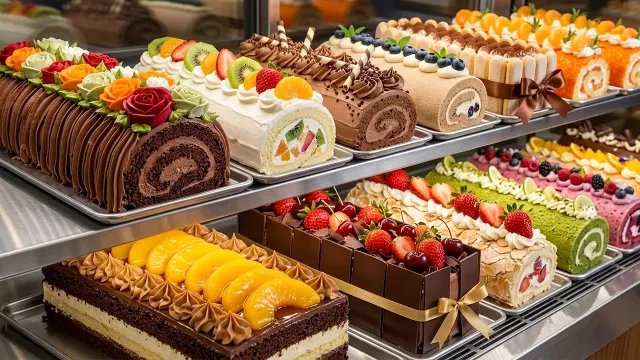
 Fresh Cream and Chocolate Rolls Preparation
#Baking Process
3 ideas
Fresh Cream and Chocolate Rolls Preparation
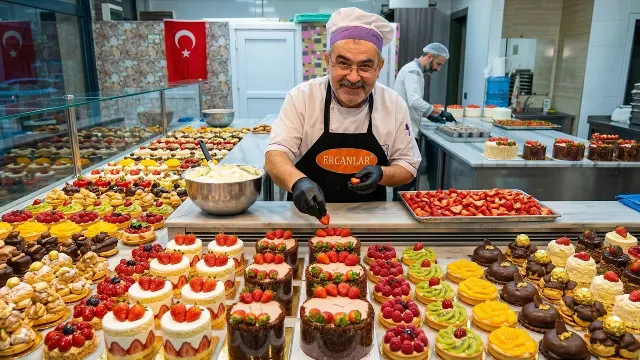 Massive Turkish Patisserie Producing Hundreds of Cakes Daily
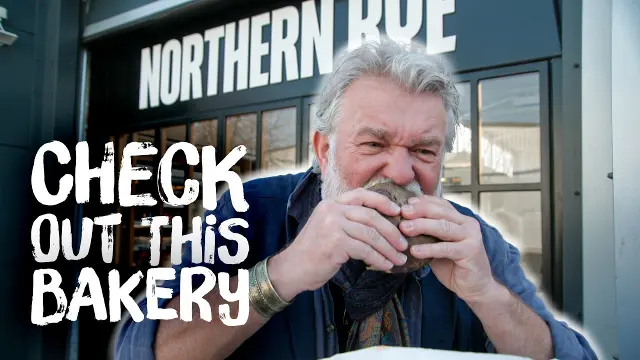 Behind the Scenes at Northern Rye Bakery
Get new #Baking Process ideas by email
Every Thursday: the week's best ideas, with the newest from #Baking Process.
Related tags
The Baking Process Explained
What the baking process is
The baking process is the sequence of steps that turns raw ingredients into bread, cakes, pastries, cookies, and other baked foods. At its simplest, it combines flour, liquid, fat, sugar, eggs, leavening, and flavourings, then uses heat to set the structure and create texture, colour, and aroma. Baking is both a practical skill and a science: ingredients behave differently depending on how they are mixed, rested, shaped, and heated.
Baking has deep roots in many food traditions around the world. Different cultures developed their own styles of flatbreads, enriched doughs, sweet pastries, and celebration cakes, often based on local grains, fats, and ovens. Today, the same basic process still applies whether you are making a rustic loaf, a sponge cake, or a tray of biscuits.
The main stages
Read more
Although each recipe is different, most baking follows a familiar pattern:
- Measuring ingredients accurately
- Mixing or creaming to combine them
- Resting or proofing, if the recipe needs it
- Shaping or pouring into tins
- Baking in the oven until set and golden
- Cooling before cutting, filling, or serving
Each stage affects the final result. Too much mixing can make some batters dense, while too little mixing may leave ingredients unevenly distributed. Resting helps dough relax or rise. Cooling is just as important as baking, because many items continue to firm up after leaving the oven.
Common techniques
Different baked goods rely on different methods:
- Kneading develops structure in bread dough
- Creaming incorporates air into butter-and-sugar mixtures for cakes and biscuits
- Folding keeps batters light, especially when whipped eggs are involved
- Proofing allows yeast doughs to rise and gain flavour
- Blind baking helps tart shells stay crisp before filling
- Glazing or brushing can improve colour and finish
Learning these techniques helps you understand not just what to do, but why it matters.
What beginners should know
If you are starting out, the most helpful habit is to follow the recipe closely the first few times. Baking is less forgiving than many other kinds of cooking, especially with yeast doughs and delicate cakes. Small changes in ingredient amounts, oven temperature, or mixing time can affect the result.
A few simple tips can make a big difference:
- Read the whole recipe before you begin
- Prepare all ingredients and equipment first
- Use the correct size pan or tin
- Preheat the oven properly
- Avoid opening the oven door too often
- Let baked goods cool as directed
It also helps to learn the signs of doneness. Bread should sound hollow when tapped on the bottom, cakes may spring back lightly when touched, and biscuits usually firm up as they cool.
Why the process matters
The baking process shapes flavour, texture, and appearance. It is what gives bread its crumb, cake its tenderness, and pastry its delicate layers. Once you understand the basic stages, you can begin to recognise how small adjustments affect the final result. That makes baking more predictable, more creative, and much more rewarding.
Videos come from YouTube and posts from Instagram; titles and summaries are our own. All rights belong to their creators.