 Massive Turkish Patisserie Producing Hundreds of Cakes Daily
#Fruit Cake
2 ideas
Massive Turkish Patisserie Producing Hundreds of Cakes Daily
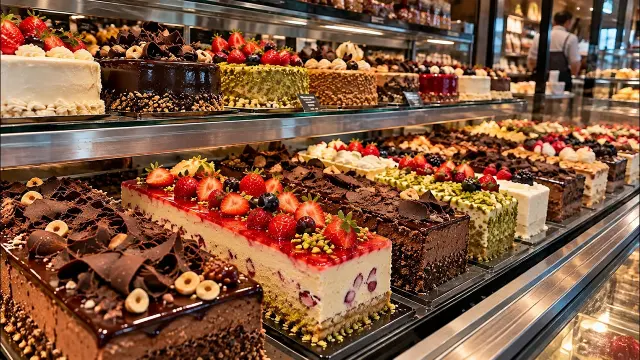 Inside a Famous Izmir Bakery Filled with Colorful Cakes
Get new #Fruit Cake ideas by email
Every Thursday: the week's best ideas, with the newest from #Fruit Cake.
Related tags
Fruit Cake: A Classic Rich Cake Guide
What fruit cake is
Fruit cake is a rich, dense cake made with dried or candied fruit, sometimes nuts, and often warm spices. In many versions, the fruit is mixed into a batter that bakes into a sturdy loaf or round cake. In others, the ingredients are soaked before baking, which gives the cake a deeper flavour and a moister texture. It is a traditional cake in many places and appears in both everyday baking and special-occasion celebrations.
Where it comes from
Fruit-enriched cakes have a long history in home baking. Before fresh fruit was widely available year-round, dried fruit was a practical way to add sweetness and flavour to cakes. Over time, different regions developed their own styles, often based on local ingredients and customs. Some fruit cakes are simple and lightly spiced, while others are dark, rich, and closely associated with holidays or ceremonial gatherings.
Read more
Common styles and ingredients
Fruit cake can vary a great deal. Some of the most familiar versions include:
- Light fruit cake, made with pale batter and a mix of dried or candied fruit
- Dark fruit cake, often richer in colour and flavour, with deeper spices and a more intense fruit mixture
- Loaf-style fruit cake, baked in a tin and sliced for serving
- Layer fruit cake, sometimes filled or covered with icing for a more decorative look
Typical ingredients include raisins, currants, sultanas, cherries, citrus peel, dates, figs, or other dried fruit. Nuts may be added for texture. Many recipes use spices such as cinnamon, nutmeg, or mixed spice. A small amount of alcohol is sometimes used to flavour and preserve the cake, but it is not essential.
How it is made
A good fruit cake depends on balance. The fruit should be evenly distributed so it does not sink, and the batter should be firm enough to hold the weight of the fruit. The cake is usually baked slowly so it cooks through without drying out. Because fruit cake is dense, it can benefit from resting after baking, which allows the flavours to settle and develop.
For beginners, it helps to remember a few practical points:
- Chop larger fruit into even pieces so the texture stays balanced
- Toss fruit lightly in flour if the recipe suggests it, to help it stay suspended
- Avoid overmixing once the flour is added
- Check doneness carefully, since the centre may take longer to bake than expected
- Let the cake cool fully before slicing, as this helps it hold together
Serving and storing
Fruit cake is often served plain, dusted with sugar, or finished with a simple glaze or icing. It pairs well with tea or coffee and can be enjoyed in small slices because of its rich texture. Many fruit cakes keep well when wrapped carefully and stored in a cool, dry place. Some versions improve in flavour after resting, which is why they are often made ahead of time.
A dependable classic
If you are new to fruit cake, start with a straightforward recipe and focus on good-quality dried fruit and careful baking. Once you understand the basic method, you can adjust the mix to suit your taste, choosing lighter, spicier, fruitier, or more festive versions. Fruit cake is a classic for a reason: it is simple in concept, flexible in style, and full of familiar, comforting flavour.
Videos come from YouTube and posts from Instagram; titles and summaries are our own. All rights belong to their creators.