 How an Executive Pastry Chef Rolls a Perfect Cake
#Baking Techniques
2 ideas
How an Executive Pastry Chef Rolls a Perfect Cake
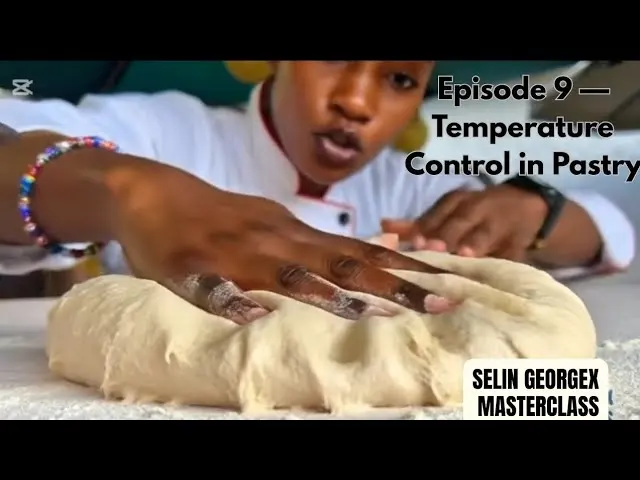 Temperature control and baking science in professional pastry
Get new #Baking Techniques ideas by email
Every Thursday: the week's best ideas, with the newest from #Baking Techniques.
Related tags
Baking Techniques for Better Results
Baking is the method of cooking food with dry heat, usually in an oven, and it is one of the oldest and most widely used ways to prepare bread, cakes, pastries, cookies and savory dishes. At its simplest, baking turns a mixture of flour, fat, liquid, sugar, eggs or yeast into something with structure, color and flavor. What makes baking special is that it depends on careful balance: a small change in measuring, mixing or temperature can affect the final result.
The basics of baking
Good baking begins with understanding the role of each ingredient. Flour gives structure, sugar adds sweetness and helps with browning, fat makes bakes tender, eggs bind and enrich, and liquid brings everything together. Leavening agents such as baking powder, baking soda and yeast create lift, while salt strengthens flavor. If you know what each ingredient does, it becomes easier to follow a recipe and also to understand why it failed or succeeded.
Accurate measuring is essential. Baking is less forgiving than many other kinds of cooking, so use the measuring method the recipe expects. Dry ingredients should be leveled, not packed unless stated otherwise. For best results, read the recipe all the way through before you begin so you know the order of steps, the resting times and the baking time.
Read more
Mixing, folding and kneading
Different batters and doughs need different handling. Some cakes and muffins come together best with gentle mixing, which helps keep them light. Overmixing can make baked goods tough or dense, especially when flour develops too much gluten. For delicate mixtures, folding is used to combine ingredients without losing air.
Yeasted doughs are a little different. Kneading helps build strength and elasticity, giving bread structure and the ability to rise well. At first, dough may feel sticky or rough, but with enough kneading it usually becomes smoother and more supple. If a dough needs a rest, give it time; resting allows the flour to absorb liquid and makes shaping easier.
Temperature and timing
Oven temperature is one of the most important parts of baking technique. If the oven is too cool, baked goods may spread or stay pale. If it is too hot, the outside may brown before the inside is ready. Preheating matters because most recipes are designed for a fully heated oven. Avoid opening the door too often, since that can cause heat loss and uneven baking.
Timing also depends on the shape and size of what you are baking. A shallow pan bakes faster than a deep one, and small items need less time than large ones. Rather than relying only on the clock, look for visual signs: golden edges, a set center, or a loaf that sounds hollow when tapped, depending on the recipe.
Shaping, lining and finishing
Careful shaping gives baked goods an even appearance and helps them bake properly. For cakes, lining pans can make unmolding easier. For breads and pastries, shaping influences the crumb and texture as well as the final look. Some bakes benefit from brushing with egg, milk or butter before baking to improve color, while others are finished after baking with glaze, sugar or filling.
Tips for beginners
- Start with simple recipes before moving to more delicate ones.
- Keep your ingredients at the temperature the recipe asks for.
- Use the right pan size, because it affects baking time and texture.
- Let baked goods cool properly before slicing or decorating.
- If a recipe does not work, change one thing at a time so you can learn what helped.
With patience and practice, baking becomes easier to read and more rewarding. Once you understand the methods behind it, you can bake with more confidence and get more consistent results.
Videos come from YouTube and posts from Instagram; titles and summaries are our own. All rights belong to their creators.