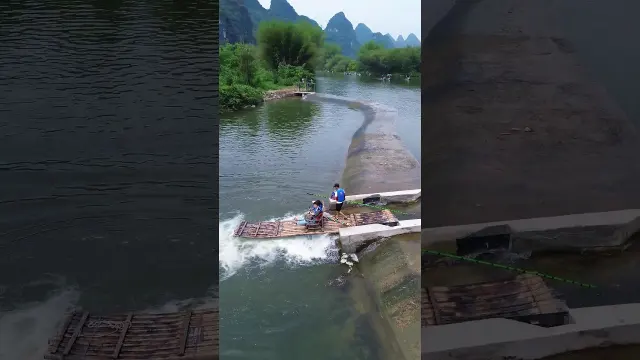
 Bamboo Rafting on the Yulong River in Yangshuo, China
#Bamboo Rafting
2 ideas
Bamboo Rafting on the Yulong River in Yangshuo, China
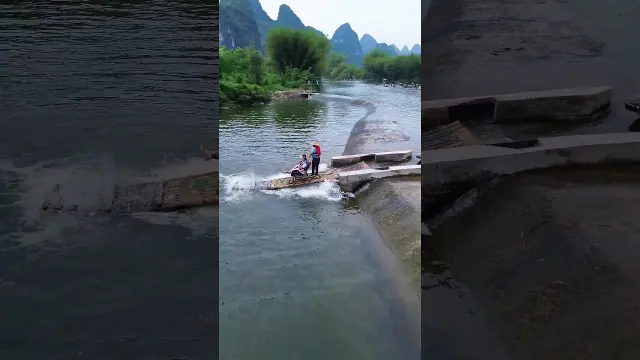 Bamboo Rafting on the Yulong River in Yangshuo, China
Get new #Bamboo Rafting ideas by email
Every Thursday: the week's best ideas, with the newest from #Bamboo Rafting.
Related tags
Bamboo Rafting: A Beginner's Guide to the Gentle River
Bamboo rafting is one of the oldest and simplest ways of moving across water. Several long bamboo poles are laid side by side, lashed together with rope, vine or rattan, and finished with a raised section at one end that serves as a prow. The result is a broad, flat platform that sits low in the water and floats with almost no draft. Because bamboo is hollow between its nodes, it traps air and provides natural buoyancy, which is why rafts built from it can carry passengers and goods while staying astonishingly light.
Where the idea comes from
Rafts of lashed bamboo have been used for transport and fishing across much of Asia and the Pacific for a very long time, wherever bamboo grows near rivers. The craft appears in the river cultures of southern China, Southeast Asia and parts of India, and it survives both as a working tool and as a way for visitors to spend a few hours on the water. In some places the rafts are poled by a guide standing at the stern; in others, passengers help paddle.
Two very different experiences
Read more
It helps to know which kind of trip you are booking. The first is the scenic float: a wide, stable raft, a slow current, a guide with a long pole, and calm water. This is the version most associated with travel, and children and older passengers can usually join. The second is the river-run: shorter, narrower rafts, sometimes paddled by the whole group, taken through moving water, small drops and rapids. The second demands more fitness, a helmet and a life jacket, and a willingness to get wet.
What beginners should know
A bamboo raft is not a boat with a keel. It does not cut through the water so much as rest on it, which makes it steady in calm conditions but slow to turn. Weight should be distributed evenly, and passengers should stay seated and low rather than standing to look around, since a shift of weight is felt immediately.
Listen to your guide on which side to sit and when to stay still. Wear footwear that will not slip and that you do not mind soaking. Keep phones and cameras in something genuinely waterproof rather than a pocket, and expect the water to reach the surface of the raft. On sunny days, remember that the reflection off the river burns skin just as directly as direct light does.
Practical tips
- Go early or late in the day: the light is better, the river is quieter, and the heat is gentler.
- Ask how long the trip lasts and whether the return journey is included before you set off.
- Check whether the raft has a life jacket for everyone, and put it on properly.
- Do not trail fingers or feet in the water near the poles or the banks.
- Bring a dry bag for valuables and a change of clothes left behind at your starting point.
Rafting is a slow form of travel, and that is the point. The river sets the pace, the bamboo does the work, and the landscape passes at the speed of a walk.
#Bamboo Rafting: frequently asked questions
How do I choose between a gentle bamboo raft float and a river-run trip?
A scenic float uses a wide, steady raft on calm water with a guide poling from the stern, so it suits anyone who wants to sit back and watch the landscape. A river-run uses narrower rafts through faster water and small drops, and asks for reasonable fitness plus a helmet and life jacket. Decide by how wet and active you want the day to be, not by which one looks more exciting in photos.
What should I bring and wear for a bamboo rafting trip?
Wear footwear with grip that you accept getting soaked, and leave a change of clothes at the point where you started. Phones, cameras and documents belong in a properly waterproof dry bag rather than a pocket, because water will reach the top of the raft. On bright days add sun protection for the face, arms and legs, since glare from the river burns skin much as direct sun does.
Can children or older family members come along on a raft?
On calm, guided float trips they usually can, because the raft is broad and stable and the pace is set by the current rather than by paddling. The conditions that matter are a fitted life jacket for each passenger, a guide's instructions about where to sit, and everyone staying seated and low. Ask before booking whether the operator is set up for the ages and swimming ability in your group.
Is bamboo rafting difficult for a complete beginner?
Not on a guided float — you mostly sit, balance and follow the guide's directions about weight distribution. The craft has no keel, so it stays steady in calm water but turns slowly, which means small shifts of weight are felt at once and standing up is best avoided. Beginners get the hang of it quickly as long as they keep still when asked and stay low while moving around.
What are the most common mistakes people make on a bamboo raft?
Standing up to take pictures, packing valuables in an ordinary pocket, and wearing slick sandals are the usual ones. Others are trailing hands or feet in the water near the poles and banks, and setting out without asking how long the trip runs and whether the return leg is part of it. A quick check of life jackets and gear before pushing off prevents nearly all of it.
When is the best time of day to go bamboo rafting?
Early morning and late afternoon tend to be the nicest: the light is softer for photographs, the river is less crowded, and the heat is easier to handle. Midday can be beautiful but bright, with strong reflection off the water, so protection matters more. Choose a slot that leaves you unhurried, because the trip is meant to move at the speed of a walk.
Videos come from YouTube and posts from Instagram; titles and summaries are our own. All rights belong to their creators.