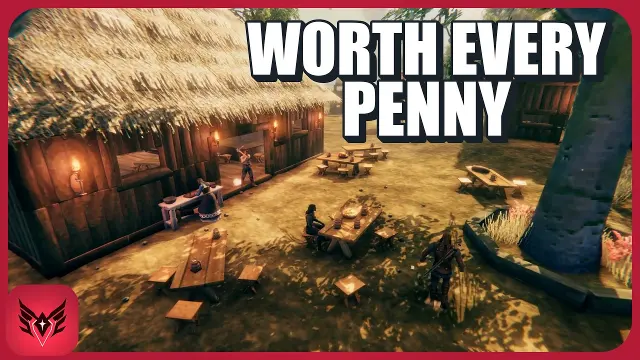
 Ten Survival and Base-Building Games Compared on Price and Playtime
#Base Building Games
1 ideas
Ten Survival and Base-Building Games Compared on Price and Playtime
Get new #Base Building Games ideas by email
Every Thursday: the week's best ideas, with the newest from #Base Building Games.
Related tags
Base Building Games: A Beginner's Guide
Base building games are a broad family of video games in which a central part of the experience is designing, constructing and improving a home settlement. Instead of steering a single character down a fixed path, you gather resources, place structures, and watch a place slowly become something recognisably yours.
Where the idea comes from
Building as play is far older than video games. Block toys, model railways, sandbox play and tabletop wargames all involve laying out a space and then developing or defending it. Early strategy games borrowed the notion of the home base — the place you produce from, return to and protect — and in time the base itself became the point rather than the backdrop. Survival games added hunger, weather and night-time threats, which turned construction into a practical necessity rather than a hobby: walls before dark.
The main kinds
Read more
- Survival and crafting bases: you build from gathered materials, and structures serve defence as much as comfort. Usually open-ended, with a strong pull of "just one more wall".
- Colony and settlement management: you direct a group rather than a single hero, so priorities, jobs and logistics matter more than reflexes.
- City builders: broader in scale, concerned with zoning, services and economy rather than personal survival.
- Strategy bases: construction in the service of an army — production, upgrades and defensive layout.
- Creative sandboxes: no pressure and no threat, building purely for its own sake.
Most games mix these freely, so the labels stay loose.
What beginners should know
Start small and keep things expandable. New players often build a compact, tidy settlement and then discover there is nowhere to put the workshop they now need. Leave gaps, keep paths wide, and store materials near where they are used.
Read the resource chain before you build. Ask what each structure consumes and what it produces; a handsome base that cannot feed itself will stall.
Treat defence as layout rather than walls. Choke points, layered barriers and a clear route from the outer edge to the things you value matter more than one very tall wall in one place.
Save often, and don't fear rebuilding. Most of these games are forgiving over time; a clumsy arrangement is rarely permanent, and redesigning is half the pleasure.
Playing for the look of it
Base building draws many players who care less about efficiency than about a place that feels lived-in. Mixing building types, adding small details such as fences, lamps and gardens, and letting a settlement grow unevenly usually produces something more convincing than a perfectly symmetrical grid. Symmetry reads as a diagram; small irregularities read as a home.
Know which of the two you enjoy — the puzzle of a well-run settlement or the pleasure of making a place — and let the game serve it. Many titles let you soften or switch off threats so that construction and decoration can take the lead.
#Base Building Games: frequently asked questions
How do I get started with base building games if I have never played one?
Pick a game whose pace matches your mood, then treat your first settlement as practice rather than a final design. Lay down only what you actually need to survive or function, and leave yourself room to add the things you will want later. It helps to look at how resources flow through your structures before you fall in love with a layout.
What do I need to keep in mind before placing my first buildings?
Think about access first: wide routes, open ground between structures, and storage close to where materials get used will save you endless rearranging. Ask what each building takes in and gives out, because a pretty settlement that cannot sustain itself will grind to a halt. A little empty space now is far cheaper than knocking things down later.
Which kind of base building game should I choose?
Decide whether you want the puzzle of running a settlement well or the pleasure of making a place that feels lived-in, since the two pull in different directions. If pressure and threats appeal to you, survival and crafting styles offer that; if you would rather plan at a larger scale, city and colony games lean on logistics and services. Many titles blend these, and plenty let you soften the danger so building can take the lead.
How do I make my base look good rather than just functional?
Mix building types instead of repeating one shape, and add small touches such as fencing, lighting and planted corners. Letting a settlement grow a bit unevenly usually reads as more convincing than a perfectly mirrored plan, which can look like a diagram rather than a home. Once the essentials work, decorate the routes people would naturally walk.
What mistakes do new players make most often?
Building too tightly is the classic one, leaving no space for the workshop or storehouse that becomes necessary later. Relying on a single thick barrier rather than thinking about chokepoints and layered approaches also costs people dearly. Finally, don't treat an awkward layout as permanent; redesigning is part of the enjoyment, so save often and rebuild freely.
Videos come from YouTube and posts from Instagram; titles and summaries are our own. All rights belong to their creators.