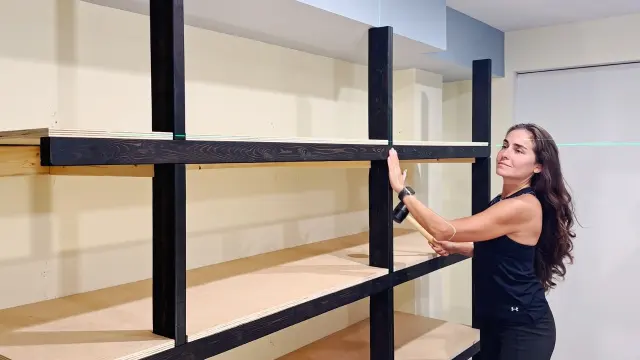
 Heavy-duty DIY basement shelves for extra storage
#Basement Storage
1 ideas
Heavy-duty DIY basement shelves for extra storage
Get new #Basement Storage ideas by email
Every Thursday: the week's best ideas, with the newest from #Basement Storage.
Related tags
Basement Storage Ideas and Organization
Basement storage basics
Basement storage is a practical way to use a part of the home that is often underused. Because basements are usually cooler and more sheltered than other rooms, they can work well for storing seasonal items, household supplies, keepsakes, and things you do not need every day. The main goal is not just to fit more in, but to keep everything protected, easy to find, and safely away from dampness or pests.
A good basement storage setup starts with understanding the space itself. Check for signs of moisture, condensation, or leaks before storing anything valuable. Good ventilation helps, and it is wise to keep items slightly off the floor whenever possible. Simple shelving, sealed bins, and labeled containers make a basement much easier to manage than loose piles or cardboard boxes.
Common types of basement storage
Read more
Basement storage can serve many different needs. Some people use it for household overflow, while others keep holiday decorations, tools, sports gear, luggage, or archived paperwork there. If the basement is finished, storage may be built into closets, cupboards, or wall shelving. In an unfinished basement, open shelves, freestanding racks, and plastic bins are often more suitable because they stand up better to the environment.
You can also organize by category:
- Seasonal items such as decorations, fans, or winter accessories
- Occasional-use household goods
- Craft or hobby supplies
- Outdoor equipment and garden tools
- Family keepsakes and documents
- Bulk pantry items, if the space is dry and appropriate
Materials and methods that work well
The best basement storage solutions are simple, sturdy, and easy to clean. Metal shelving, sealed plastic containers, and waterproof labels are especially useful. If you are storing fabric, paper, or sentimental items, use containers that protect against dust and moisture. Avoid relying on thin cardboard boxes for long-term storage, since they can weaken in humid conditions.
A few practical methods can make a big difference:
- Keep frequently used items at eye level
- Store heavier items on lower shelves
- Group similar things together
- Leave a clear walkway so you can reach everything safely
- Use clear labels so boxes do not need to be opened repeatedly
What to think about before organizing
Before you begin, sort everything into keep, donate, discard, or relocate. This step prevents the basement from becoming a place where forgotten items accumulate. It also helps you decide how much shelving or bin space you actually need.
Think about what belongs in the basement and what does not. Items that are sensitive to moisture, temperature swings, or pests may be better kept elsewhere. If you are storing anything important, such as photographs or documents, give it extra protection and check it from time to time.
Tips for a lasting system
The best basement storage systems are easy to maintain. If a setup is too complicated, it will be hard to keep organized. Choose containers and shelves that suit the size of your home and the habits of your family. Leave some empty space for future items so the room does not become overcrowded.
A regular review helps too. Every so often, look through stored items, remove things you no longer need, and make sure nothing has been damaged. With a simple structure and a little upkeep, your basement can become one of the most useful storage areas in the home.
Videos come from YouTube and posts from Instagram; titles and summaries are our own. All rights belong to their creators.