 Three Budget Friendly BBQ Recipes to Feed Your Family
#BBQ Rub
2 ideas
Three Budget Friendly BBQ Recipes to Feed Your Family
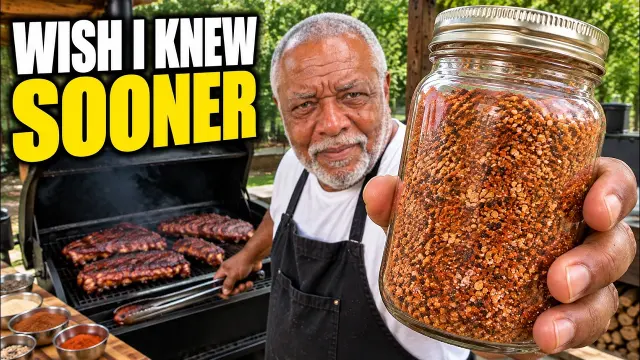 Affordable Homemade Pitmaster BBQ Rub Recipe
Get new #BBQ Rub ideas by email
Every Thursday: the week's best ideas, with the newest from #BBQ Rub.
Related tags
The Complete Guide to BBQ Rubs
A barbecue rub is a blend of dry herbs and spices applied to meat before cooking to build a flavorful exterior crust, known as bark, and enhance the natural taste of the food. Rooted in the rich culinary traditions of various barbecue regions, rubs act as the first layer of seasoning, working in tandem with smoke, heat, and sauces. Unlike marinades, which penetrate deeper through liquid absorption, dry rubs primarily focus on the surface, creating a delicious contrast between the well-seasoned exterior and the tender meat inside.
Understanding the fundamental balance of ingredients is essential for creating a great rub. Most traditional blends rely on a base of salt and sugar, which serve different purposes. Salt draws out moisture and seasons the meat throughout, while sugar caramelizes under heat to form a rich, sweet crust. To this base, pitmasters add a variety of aromatic spices such as paprika for color and mild warmth, black pepper and chili powders for heat, and garlic and onion powders for savory depth. Additional herbs like oregano, thyme, or mustard powder are often included to complement specific meats.
There are countless styles and regional variations of rubs, generally tailored to the type of protein being prepared. Pork and poultry often benefit from sweeter, paprika-heavy blends that balance the rich fat of the meat. Beef, particularly tougher cuts cooked low and slow, traditionally pairs best with simpler, bolder mixtures where coarse salt and black pepper take center stage, allowing the natural flavor of the beef to shine through.
For beginners, crafting a custom rub is an accessible and rewarding kitchen project. Start with equal parts of your main spices, then adjust according to your palate. A reliable ratio to begin with is a balance of salt, sugar, and paprika, complemented by smaller pinches of garlic and pepper. Always measure your ingredients thoroughly and mix them until the blend is completely uniform before application.
Read more
Applying a rub correctly can significantly improve your final dish. Begin by patting the meat dry with paper towels to ensure the spices adhere properly. If the meat is very lean, you can apply a very thin binder, such as yellow mustard or olive oil, to help the spices stick without imparting a distinct flavor. Sprinkle the rub from a height of several inches to distribute it evenly across all surfaces, and gently pat it onto the meat rather than rubbing it in harshly. For the best results, let the seasoned meat rest in the refrigerator for an hour or up to overnight, allowing the salt to work its way into the fibers before the cooking process begins.
#BBQ Rub: frequently asked questions
What exactly is a BBQ rub, and why do people use one?
A dry rub is a mixture of herbs and spices applied to meat before it hits the heat, forming a seasoned crust on the outside while leaving the inside tender. It works together with smoke and sauce rather than replacing them, since it sits on the surface instead of soaking in the way a marinade does. Think of it as the first layer of flavor that the rest of the cook builds on.
What ingredients do I need to make a rub at home?
Almost every blend starts with salt and sugar, which season the meat and caramelize into a rich crust, plus paprika for color and mild warmth. From there you add aromatics like garlic powder, onion powder, black pepper, or chili for depth and heat, and optional herbs such as oregano or mustard powder. Building with equal parts of your main spices and then tweaking to taste is the easiest way for a beginner to find a blend they like.
How do I pick the right rub for different kinds of meat?
Pork and poultry usually do well with sweeter, paprika-forward blends that play against the richness of the fat. Beef, especially tougher cuts cooked slowly, tends to shine with a simpler, bolder mix where coarse salt and cracked pepper lead and let the meat speak for itself. Matching the sweetness and spice level to the protein matters more than following a rigid recipe.
How should I apply a rub so it actually sticks?
Pat the meat dry with paper towels first, since surface moisture is what makes spices clump and slide off. On very lean cuts, a very thin layer of mustard or olive oil helps the rub adhere without changing the flavor. Sprinkle from a height so it lands evenly, pat it on gently instead of grinding it in, and let the seasoned meat rest in the fridge before cooking so the salt can begin working.
What are the most common beginner mistakes with BBQ rubs?
The usual culprits are an unevenly mixed blend, overseasoning with salt and sugar, and rubbing hard enough to tear the surface instead of patting. Applying rub to wet meat is another frequent issue, because the spices never bond and fall away during cooking. Measuring carefully and giving the meat a little resting time before it goes on the heat solve most of these.
Can I make a rub without spending much?
Yes — a homemade blend is one of the cheapest upgrades in barbecue, since basic pantry spices cover most of what you need. Mixing your own also means you can scale a batch to whatever you already have on hand and season several meals from a single jar. Storing it in a sealed container away from heat keeps it usable for future cooks.
Videos come from YouTube and posts from Instagram; titles and summaries are our own. All rights belong to their creators.