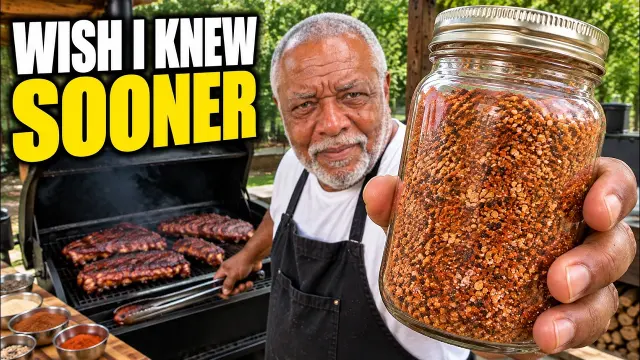
 Affordable Homemade Pitmaster BBQ Rub Recipe
#Pitmaster
1 ideas
Affordable Homemade Pitmaster BBQ Rub Recipe
Get new #Pitmaster ideas by email
Every Thursday: the week's best ideas, with the newest from #Pitmaster.
Related tags
The Art and Craft of the Pitmaster
The title of pitmaster refers to the person in charge of barbecuing meats, a role rooted in traditional Southern techniques of outdoor cooking. Historically, this meant digging trenches, burning hardwood down to glowing coals, and cooking tough cuts of meat over indirect heat for hours. Today, the term embraces anyone who takes pride in mastering the delicate balance of wood, smoke, meat, and time.
At its core, pitmaster cooking is entirely different from standard grilling. While grilling uses direct, high heat to cook food quickly, barbecuing relies on low temperatures and long cooking times. This method breaks down the connective tissue in large cuts like pork shoulder, beef brisket, and ribs, rendering them meltingly tender while infusing them with rich, smoky flavor.
Essential Techniques and Equipment
Understanding fire management is the single most important skill for any pitmaster. You must learn how to maintain a steady, low temperature in your cooker for hours on end, often referred to as the smoking zone.
Read more
- Wood selection: Different hardwoods impart distinct flavors. Fruitwoods like apple and cherry offer a mild, sweet smoke, while hickory and oak provide a stronger, more traditional flavor profile.
- Rubs and marinades: Simple blends of salt, black pepper, and garlic form the foundation of most authentic seasoning crusts, known as bark, while complex rubs can incorporate sugar, paprika, and cumin.
- Temperature control: Relying on thermometers for both the cooking chamber and the internal temperature of the meat ensures consistent results without cutting into the meat to check for doneness.
Tips for Beginners
If you are just starting out on your barbecue journey, patience is your greatest asset. Rushing the process by raising the heat will only dry out the meat. Begin with more forgiving cuts, such as pork butt or chicken pieces, before attempting a whole brisket.
Keep your setup simple. You do not need expensive commercial equipment to produce great food; many people achieve fantastic results using basic offset smokers, kettle grills, or even modified backyard drums. Focus on mastering airflow and learning how your specific cooker responds to different weather conditions and amounts of fuel.
Above all, remember that great barbecue is a craft built on practice and observation. Every fire is slightly different, and every cut of meat behaves in its own way. Embrace the learning process, enjoy the process of tending the fire, and take notes on what works so you can refine your technique with every cook.
#Pitmaster: frequently asked questions
What exactly does it mean to be a pitmaster?
A pitmaster is the person responsible for cooking meat low and slow over wood or charcoal, tending the fire rather than simply grilling over direct heat. The role is rooted in traditional Southern outdoor cooking, where tough cuts were cooked for hours over hardwood coals. Today it describes anyone who takes real pride in balancing fuel, smoke, meat and time.
How do I get started with pitmaster-style barbecue?
Start with a simple setup and a forgiving cut rather than expensive equipment or a whole brisket. Practice keeping a steady, gentle fire on something like pork shoulder or chicken pieces, and learn how your particular cooker reacts to wind, rain and how much fuel you load. Taking notes after each cook is the fastest way to improve.
Which type of smoker or grill should I choose?
There is no single best choice — offset smokers, kettle grills and even repurposed backyard drums all produce excellent barbecue in the right hands. Pick something whose airflow you can control easily, since managing temperature is the skill that matters most. A basic cooker you understand well will outperform a fancy one you never learn to read.
How do I keep the temperature steady for a long cook?
Fire management is the core skill: you want a low, even heat held for hours rather than a hot fire you keep fighting. Adjust airflow in small steps and wait before making another change, because cookers respond slowly. Thermometers for both the cooking chamber and the meat give you reliable information without opening the lid or cutting into the food.
What wood should I use for smoke flavor?
Hardwoods are the standard, and the variety you pick shapes the result. Fruitwoods such as apple or cherry give a mild, sweet smoke, while hickory and oak deliver a bolder, more traditional profile. Mild wood suits delicate meats, and stronger wood stands up well to robust cuts.
What are the most common beginner mistakes?
The biggest one is impatience — raising the heat to speed things up dries out the meat instead of tenderizing it. Another is overcomplicating the seasoning when a simple blend of salt, pepper and garlic already builds a good bark. Constantly opening the cooker and fiddling with the fire also causes more harm than good.
Videos come from YouTube and posts from Instagram; titles and summaries are our own. All rights belong to their creators.