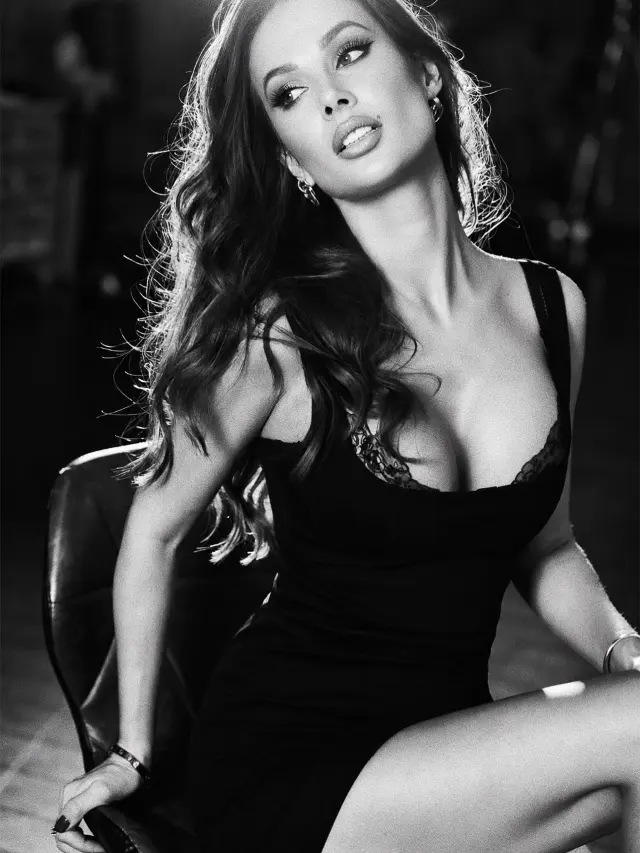
 Monochrome Beauty Shoot With Two Makeup Creators
#Beauty Photography
2 ideas
Monochrome Beauty Shoot With Two Makeup Creators
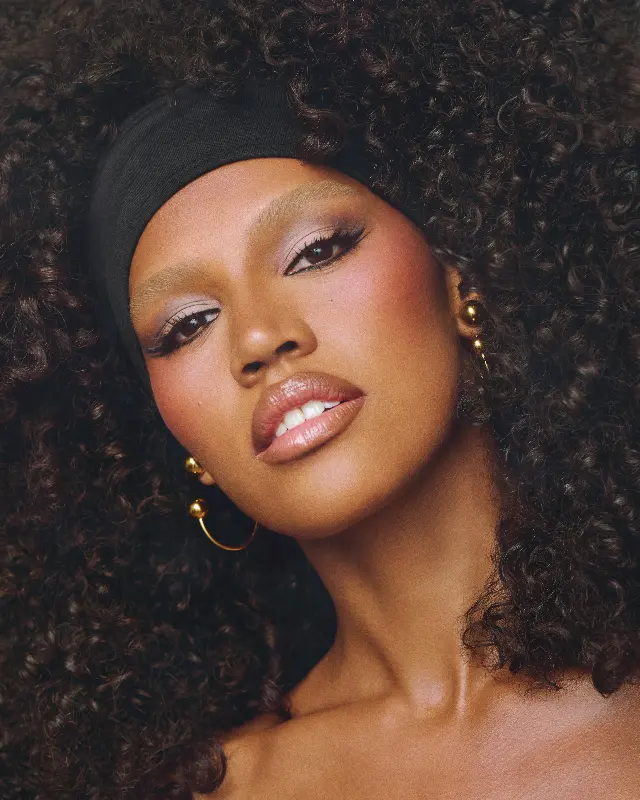 Beauty shoot makeup look built from MAC, Danessa Myricks and Huda Beauty
Get new #Beauty Photography ideas by email
Every Thursday: the week's best ideas, with the newest from #Beauty Photography.
Related tags
Beauty Photography: A Guide to Close-Up Portraits
Beauty photography is the branch of portraiture that fills the frame with a face. Where a portrait might tell you about a person's life, a beauty image asks you to look closely at one thing: skin, a mouth, the line of a jaw, the way light sits on a cheekbone. It is the visual language behind cosmetics campaigns, magazine covers, bridal imagery and the portfolio shots of makeup artists and hairstylists who need their work seen clearly. Anyone can attempt it with very little equipment, which is part of its appeal — and part of its difficulty.
Where it comes from
The genre grew out of fashion and advertising photography, where the face had to carry a product. Early studio practice borrowed the soft, flattering light of the cinema and refined it: a large light placed close to the subject, tilted down slightly, so shadows stay gentle and the skin keeps its texture. That single idea still underpins most of what you see today.
The main styles
Read more
Clean beauty is the plainest and hardest: minimal makeup, honest skin, nothing hidden. High glam is its opposite, built on defined eyes, sculpted cheekbones and glossy lips, and it welcomes stronger light and deeper contrast. Editorial and conceptual beauty allow colour, props and unusual angles, and are often shot in teams with a makeup artist and stylist. Natural-light beauty uses a window and a reflector and rewards patience. Monochrome beauty strips away colour so that shape and tone do the work.
Light is the whole story
Everything in beauty photography comes back to the quality of light. Soft and close means flattering; hard and distant means texture, which is a choice, not a mistake. A single large modifier — a softbox, an umbrella, even a white wall — will take you a long way. Watch the catchlights in the eyes: a small white reflection gives the face life, and its shape shows where your light came from. Fill the shadows with a reflector rather than a second light, and keep the eyes the brightest point of the picture.
Choosing a lens and an angle
Close-up work is unforgiving, so use a lens that flatters. Short telephoto and macro focal lengths keep the face's proportions natural and let you fill the frame without leaning in. Keep the camera level with the eyes or slightly above. Ask your subject to push the chin forward a fraction and down a little, an old trick that defines the jaw, and direct the gaze rather than the smile.
Working with people
Beauty shoots are collaborative. If a makeup artist is involved, talk about the look and the light before anything is applied, and shoot test frames early so they can see what the camera does to their work. Keep the room warm, offer a mirror, and let the subject see a few frames — it builds trust quickly. Silence makes faces stiff.
For beginners
Start with one light, one window, one lens. Practise on a friend in daylight and learn to see the reflection in the eye before you look at anything else. Retouch lightly: skin can be cleaned and evened, but keep its texture, because a face without pores stops looking like a face. And remember that the best beauty photographs are calm ones — a person who feels at ease is always more beautiful in the frame.
#Beauty Photography: frequently asked questions
How do I get started with beauty photography if I have almost no equipment?
Begin with what you already own: a window for soft light, a plain wall or a piece of white foam board to bounce light back into the shadows, and a friend willing to sit for you. Add a single large modifier later, once you can see how the light falls on a face. What matters first is learning to read light and skin, not collecting gear.
What is the difference between clean beauty and high glam, and which should I choose?
Clean beauty keeps makeup minimal and lets real skin show, so it is the stricter test of your lighting and focus. High glam builds defined eyes, sculpted cheeks and glossy lips, and it tolerates stronger light and deeper contrast. Choose clean beauty to learn control, and high glam when the makeup itself is the story you are telling.
Which lens and camera angle flatter a face most in close-up work?
A short telephoto or a macro lens keeps facial proportions natural and fills the frame without you leaning in and distorting the features. Keep the camera level with the eyes or just above them, and ask your subject to ease the chin forward and slightly down to define the jaw. Direct the gaze rather than the smile, and let the eyes be the brightest point in the picture.
How do I work well with a makeup artist on a beauty shoot?
Agree on the look and the lighting plan before anything is applied, then shoot quick test frames so the artist can see what the camera and light actually do to their work. Keep the room warm, provide a mirror and let the subject glance at a few frames to build trust. Talk through the shoot as it goes, because silence makes faces go stiff.
How much retouching is acceptable before a beauty image stops looking real?
Clean and even the skin, but leave the texture in place — a face without pores stops reading as a face. The aim is to remove distractions like temporary blemishes and uneven tone while keeping the character that makes the person recognizable. If you can see the retouching before you see the person, you have gone too far.
What are the most common mistakes beginners make in beauty photography?
The usual ones are light that is too hard or too far away, an unflattering angle, and a room so quiet that the subject freezes. Another is over-retouching in an attempt to fix a lighting problem that should have been solved on set. Slow down, watch the reflection in the eye to confirm where your light sits, and keep the mood calm — an at-ease subject always photographs better.
Videos come from YouTube and posts from Instagram; titles and summaries are our own. All rights belong to their creators.