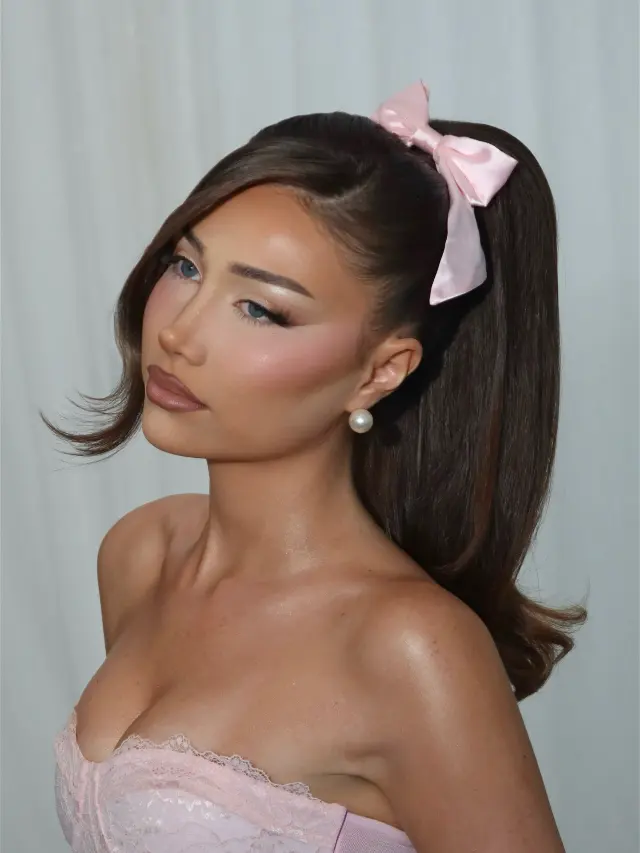
 Ponytail Look From a Dollhouse-Themed Beauty Shoot
#Beauty Shoot
2 ideas
Ponytail Look From a Dollhouse-Themed Beauty Shoot
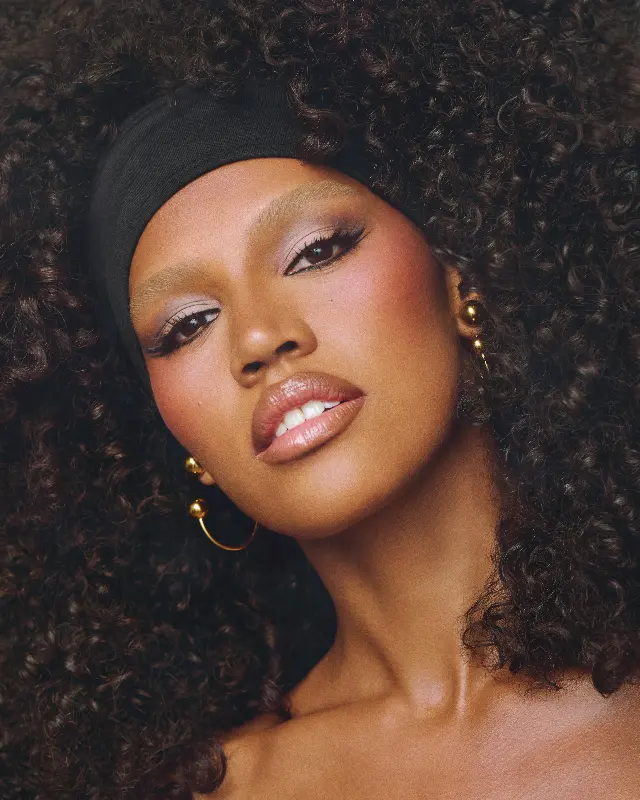 Beauty shoot makeup look built from MAC, Danessa Myricks and Huda Beauty
Get new #Beauty Shoot ideas by email
Every Thursday: the week's best ideas, with the newest from #Beauty Shoot.
Related tags
Beauty Shoot: A Guide to Shooting Faces and Details
A beauty shoot is a photography session built around the face and body as the main subject: skin, makeup, hair, hands, eyes, the small details a wider portrait tends to leave out. Rather than telling a story across a whole scene, it works in close — a flushed cheek, a wet-look brow, the line of a lipstick edge. The result is a set of images whose job is to show makeup, hair and skin as clearly and as beautifully as possible.
Where it comes from
Beauty photography has its roots in the cosmetics and magazine world, where a good photograph of a face did something a printed description could not: it let a reader see texture, colour and finish. Over time the close-up became a genre of its own, with its own habits of lighting, framing and make-up design, and it is now a standard part of how products, artists and models are presented.
What it is used for
Read more
- Editorial work, where the face carries the mood of a story
- Product and brand imagery for makeup, skincare and hair
- Portfolios: models, make-up artists and hairstylists use beauty shoots to show what they can do
- Test shoots, where a small team creates images for practice and for their books
- Documentation, keeping a visual record of a technique or a finished look
The main kinds
Classic beauty puts the face front and centre with clean, flattering light and an emphasis on skin and expression. Editorial beauty is freer, and often uses colour, shape and a concept. Commercial beauty leans on precision: the product must be readable and the look must feel achievable. Natural-light beauty works outdoors or near a window, trading control for softness. Creative or avant-garde beauty uses the face as material, with paint, texture and unusual shapes.
Light, framing and technique
Most beauty photography prefers soft, relatively close light that keeps skin looking its best while still showing the shape of the face. A single large source, or a source close to the model, is a common starting point. Framing runs from full head to tight crops of eyes and lips, so it helps to plan which details matter before the session. Reflections and shine are controlled rather than removed: a bit of glow is usually wanted, too much reads as sweat.
What beginners should know
Prep is most of the work. Agree the looks with your make-up artist and hairstylist beforehand, keep a simple mood board, and count on more time per look than you expect, especially with changes of make-up. Keep the set clean and the tools hygienic, do not rush the model, and talk — a calm, directed subject photographs far better than a silent room.
Shoot wide enough to give the face room and tight enough to catch detail, and remember hands, ears, neck and hairline, which are easy to forget until you see them on screen. Look at your images as you go rather than hoping for the best afterwards. Finally, retouch to finish a face, not to replace it: keeping some real texture keeps the picture believable, and believable is what beauty work is for.
#Beauty Shoot: frequently asked questions
How do I start planning a beauty shoot if I have never done one?
Start by deciding what the images are for, since editorial, commercial and portfolio work each pull the look in a different direction. Agree the makeup and hair looks with your team before the session and put together a simple mood board so everyone is working from the same idea. Then build the day around the details you want to capture rather than around a full scene.
What do I actually need for a beauty shoot?
You need a soft, close light source, a lens that lets you crop in tightly on eyes, lips and skin, and a team: someone on makeup, someone on hair, and a model who is comfortable being directed. A clean set and hygienic tools matter as much as the camera gear. A mood board and an agreed running order keep the session from drifting.
Which kind of beauty shoot should I choose?
Pick the style that matches what the images have to do: classic beauty for clean, flattering portraits of skin and expression, editorial when a concept or colour should carry the mood, and commercial when a product has to read clearly and the look must seem achievable. Natural-light beauty suits anyone willing to trade control for softness, while creative work lets you treat the face as material. If you are starting out, classic beauty teaches you the most about light and skin.
How do I look after skin, makeup and hair on the day?
Arrive with skin prepped and give the makeup artist room to work rather than rushing the first look. Keep the set clean and the tools hygienic, and count on more time per look than you expect, especially when makeup has to be changed. Handle shine as something to control rather than remove, since some glow is wanted and too much starts to look like sweat.
What are common mistakes in beauty photography?
The most frequent one is forgetting the edges: hands, ears, neck and hairline often go unnoticed until the images are on screen. Framing too loosely to catch detail, or so tightly that the face has no room, is another. Hoping for the best instead of reviewing images as you go, and retouching until the skin stops looking real, undo otherwise good work.
How do I keep retouching from making a face look fake?
Treat retouching as a way to finish a face, not to replace it, and leave some real texture in the skin. Glow and small imperfections are part of what makes a beauty image believable, and believable is the whole point of the genre. If the skin no longer reads as skin, the picture has gone too far.
Videos come from YouTube and posts from Instagram; titles and summaries are our own. All rights belong to their creators.