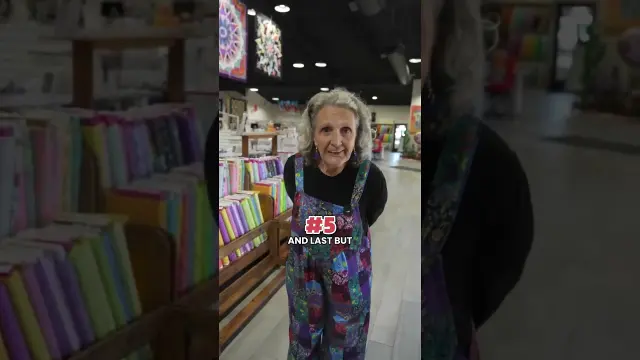
 Five Essential Things to Know Before Making Your First Quilt
#Beginner Advice
1 ideas
Five Essential Things to Know Before Making Your First Quilt
Get new #Beginner Advice ideas by email
Every Thursday: the week's best ideas, with the newest from #Beginner Advice.
Related tags
Beginner Advice for Starting Anything Well
What beginner advice is for
Beginner advice is the kind of guidance that helps you start something new without feeling overwhelmed. Whether you are learning a craft, a skill, a hobby, or a household project, the early stages can feel confusing because everything is unfamiliar at once. Good beginner advice turns a large, vague task into smaller steps you can actually manage.
At its heart, beginner advice is about two things: reducing avoidable mistakes and helping you build confidence through practice. It is useful for almost anything, from sewing and cooking to drawing, gardening, or organizing a home project. The best advice is usually simple, realistic, and encouraging. It does not promise perfection; it helps you begin well.
What beginners should know
Read more
The first lesson is that being a beginner is normal. Nobody starts out knowing the shortcuts, the terminology, or the proper order of steps. Progress usually comes from repetition, not from getting everything right immediately.
A second helpful idea is to start smaller than you think. Many beginners choose projects that are too ambitious and then feel discouraged when they become hard to finish. A smaller project gives you a chance to learn the basics, notice what feels awkward, and finish with a sense of success.
It also helps to accept that mistakes are part of learning. Early errors often teach you more than smooth attempts do. If you can look at mistakes as information rather than failure, you will improve more steadily.
Common kinds of beginner advice
Some beginner advice focuses on preparation: gathering the right tools, reading instructions all the way through, or learning basic terms before you begin. Some focuses on process: taking one step at a time, working slowly, and checking your work as you go. Other advice is about mindset: staying patient, asking questions, and not comparing your first attempt to someone else’s polished result.
For creative hobbies, beginner advice often includes learning a few basic techniques before trying advanced ones. For practical projects, it may mean measuring carefully, following a sequence, and keeping your setup simple. In both cases, a clear routine is often more helpful than complicated methods.
Helpful habits for beginners
- Start with one manageable goal.
- Choose simple materials or tools at first.
- Read or review instructions before beginning.
- Keep your workspace tidy and uncluttered.
- Practice the basic steps before moving on.
- Take notes about what works for you.
- Allow extra time, especially for your first tries.
A few practical tips
If you feel stuck, pause and simplify. Ask yourself what the very next step is, rather than trying to solve the whole project at once. If something goes wrong, retrace your steps calmly. Often the problem is small and easy to fix.
It is also wise to learn from reliable examples, but not to overload yourself with too much information. Too many methods at once can be more confusing than helpful. Pick one clear approach, try it, and adjust later if needed.
The best way to begin
The most useful beginner advice is often the simplest: start, expect a learning curve, and keep going gently. Confidence usually comes after action, not before it. If you give yourself room to learn, your first attempt can become the beginning of something rewarding.
#Beginner Advice: frequently asked questions
How do I actually start when I have never tried this kind of thing before?
Pick something small enough to finish in a sitting or two, then gather only what that project needs. Reading through the whole set of instructions before you touch anything saves a lot of confusion later. Starting is usually the hardest part, and momentum builds once your hands are moving.
What do I really need to buy or gather before beginning?
Beginners usually need far less than the shops suggest: simple, inexpensive materials and a couple of basic tools will carry you through your first attempts. Choose plain supplies that are forgiving to work with, since you will be learning technique rather than showing off materials. You can add better equipment once you know you enjoy the process.
Which beginner project should I choose first?
Look for something that teaches a few core techniques and does not depend on skills you have not built yet. A modest project you can complete is worth more than an ambitious one you abandon halfway. If you are torn between options, choose the one whose steps you can picture yourself following calmly.
How do I keep going when my first attempt turns out badly?
Treat the flaws as information about what to adjust next time rather than as a verdict on your ability. Beginners improve through repetition, so a wobbly result you finished teaches more than a perfect plan you never started. Pause, simplify the next step, and try again without comparing your work to someone else's polished version.
What mistakes do beginners most often make?
The usual ones are starting too big, skipping the instructions, and collecting too many different methods at once until nothing feels clear. A cluttered workspace and rushing the basic steps cause a lot of avoidable frustration too. Slow down, follow a single approach, and let yourself make small errors as you go.
Is there anything I should do to look after my supplies and projects between sessions?
Tidy your tools and materials after each session and store them somewhere dry and easy to reach, so starting again feels simple. Note down what worked and what you want to change, and leave the current project where you can pick it up without hunting. A little upkeep keeps small problems from becoming discouraging ones.
Videos come from YouTube and posts from Instagram; titles and summaries are our own. All rights belong to their creators.