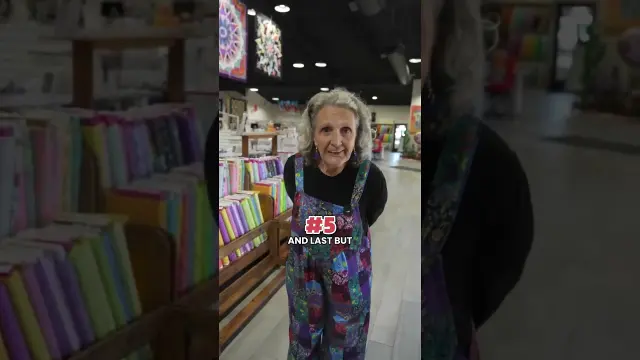
 Five Essential Things to Know Before Making Your First Quilt
#Learn to Quilt
1 ideas
Five Essential Things to Know Before Making Your First Quilt
Get new #Learn to Quilt ideas by email
Every Thursday: the week's best ideas, with the newest from #Learn to Quilt.
Related tags
Learn to Quilt: A Beginner’s Guide
What quilting is
Quilting is the craft of joining layers of fabric together to make a padded textile. Traditionally, a quilt has three parts: a top layer made from patchwork or a single piece of fabric, a soft filling called batting, and a backing fabric. These layers are stitched together so they stay in place and create a strong, warm, decorative finished piece.
People have made quilts for centuries for warmth, comfort, and beauty. Over time, quilting has become both a practical domestic skill and a creative art form. Some quilts are simple and functional, while others are highly detailed and made to display pattern, color, and personal style.
Main types of quilting
Read more
There are several common ways to approach quilting, and you can begin with whichever feels most manageable.
- Patchwork quilts are made from many smaller fabric pieces sewn into blocks or patterns.
- Wholecloth quilts use one fabric for the top and rely on stitching for texture and design.
- Appliqué quilts are made by sewing fabric shapes onto a base fabric.
- Hand quilting uses a needle and thread to stitch the layers together by hand.
- Machine quilting uses a sewing machine to hold the layers together more quickly.
As a beginner, patchwork is often the easiest place to start because it lets you practice cutting, sewing straight seams, and building blocks one step at a time.
What you need to know first
Before you begin, it helps to understand that quilting rewards accuracy and patience. Small differences in cutting or seam allowance can affect how the pieces fit together, so take your time and measure carefully. Pressing seams as you sew also makes the work much neater and easier to assemble.
Choose fabrics that are stable and similar in weight. Cotton is often used because it is easy to cut, sew, and press. Prewashing fabric is a personal choice, but it can help reduce later shrinkage and color transfer. If you mix fabrics, test how they feel and behave together before you commit to a large project.
Basic techniques
A few simple techniques will help you get started.
- Accurate cutting: Use a ruler, a cutting mat, and a fabric cutter or sharp scissors.
- Seam allowance: Keep seams consistent so pieces line up properly.
- Pressing: Press seams open or to one side as your pattern suggests.
- Basting: Temporarily hold the quilt layers together before stitching.
- Quilting stitches: Stitch in straight lines, grids, or simple patterns to join the layers.
- Binding: Finish the edges neatly so the quilt holds together well.
Good beginner habits
Start with a small project, such as a cushion cover, table runner, or baby-sized quilt. Smaller projects help you learn the basics without feeling overwhelmed. Use simple shapes and repeat them, because repetition makes cutting and sewing easier to manage.
It also helps to read your pattern fully before you begin. Gather all your materials, sort your fabrics, and sew a test seam if needed. If a step feels confusing, slow down and check your measurements rather than forcing the next stage.
Enjoying the process
Quilting is a craft you grow into. Your early projects do not need to be perfect to be worthwhile. Each quilt teaches you something about color, texture, order, and patience. As you practice, you will find your own rhythm and style, whether you prefer traditional blocks, simple modern shapes, or hand-stitched details.
#Learn to Quilt: frequently asked questions
What exactly is quilting?
Quilting is the craft of stitching layers of fabric together to make a padded textile, usually a decorative top, a soft filling called batting, and a backing. The stitching holds those layers in place and gives the finished piece its warmth, strength and texture. It has long been both a practical household skill and a creative art form.
What do I need before starting my first quilt?
You need fabric for the top and the backing, batting for the middle, thread, and some basic tools such as a ruler, cutting mat, rotary cutter or sharp scissors, pins, and a needle or sewing machine. Cotton is a forgiving choice because it cuts, sews and presses easily. Read your pattern all the way through before buying anything, so you gather the right materials in one go.
Which type of quilting is best for a beginner?
Patchwork is usually the friendliest starting point, since it breaks the work into simple blocks and lets you practise cutting and straight seams. Wholecloth and appliqué suit people who would rather play with texture or shape than piece blocks together, and choosing hand or machine quilting is mostly about pace and preference. Pick whichever feels manageable rather than impressive.
What mistakes do new quilters make most often?
Inconsistent seam allowances and rushed cutting are the usual culprits, because small slips multiply once blocks are joined. Skipping the pressing stage makes pieces harder to line up, and basting too loosely lets the layers shift while you stitch. Starting small and repeating simple shapes keeps all of that under control.
How should I care for a finished quilt?
Go gentle: shake out dust, spot-clean where you can, and wash only when needed with a mild soap on a delicate setting. Dry it flat or line-dry away from direct sun instead of tumbling it in a hot dryer, which can distort stitching and fade colour. Store it folded loosely rather than sealed in plastic so the fabric can breathe.
What are good first projects or gift ideas?
Cushion covers, table runners and baby-sized quilts are all achievable early projects that finish quickly and teach the basics along the way. They also make warm, personal gifts for housewarmings, new arrivals or seasonal occasions. Keeping the design simple lets the fabric do most of the work.
Videos come from YouTube and posts from Instagram; titles and summaries are our own. All rights belong to their creators.