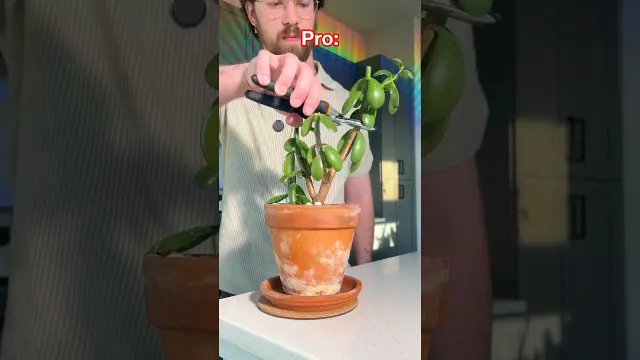
 Beginner Versus Pro Plant Parent: Houseplant Care Compared
#Beginner Plants
3 ideas
Beginner Versus Pro Plant Parent: Houseplant Care Compared
 The Common Houseplant Mistake That Kills Plants
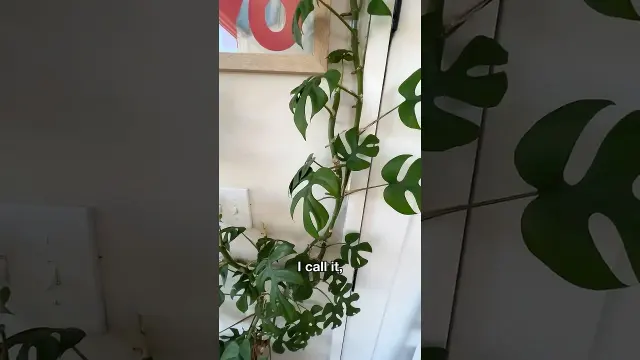 Five Houseplants Worth Buying If You Started Over Tomorrow
Get new #Beginner Plants ideas by email
Every Thursday: the week's best ideas, with the newest from #Beginner Plants.
Related tags
Beginner Plants: A Simple Guide to Houseplants
What beginner plants are
Beginner plants are houseplants that are generally easier to grow indoors and more forgiving of small mistakes. They are usually chosen for their ability to adapt to everyday home conditions, such as uneven light, forgotten watering, or dry indoor air. If you are new to plant care, these are the kinds of plants that can help you learn the basics without feeling overwhelmed.
Many beginner-friendly plants come from tropical or subtropical regions, where they naturally grow under filtered light or in sheltered places. Others are succulents or drought-tolerant plants that store water in their leaves or stems. What makes a plant “easy” is not that it needs no care, but that it tends to recover well and show clear signs when something needs adjusting.
Common types to start with
Read more
Beginner plants can include several familiar groups:
- Leafy plants that tolerate indoor light well and do not need constant attention
- Succulents and cacti that prefer brighter light and less frequent watering
- Hardy trailing plants that grow well in hanging pots or on shelves
- Compact plants that stay manageable in small spaces
When choosing your first plant, think about your home first, not just the look of the plant. A bright windowsill, a shaded room, or a spot away from drafts will suit different plants in different ways.
What to look for when choosing one
A healthy beginner plant should have firm leaves, stable stems, and soil that is not completely soaked or bone dry. Avoid plants with obvious pests, mushy roots, or many yellowing leaves unless you know how to correct the problem. If you can, look for a plant that matches the light in your home rather than forcing a sun-loving plant into a dim corner.
It also helps to choose a plant that fits your routine. If you travel often or forget watering, a more drought-tolerant plant may suit you better than one that prefers frequent moisture. If you enjoy checking on plants often, a leafy plant with more regular watering needs may be a better match.
Simple care basics
Most beginner plants do well with three things: proper light, sensible watering, and a pot with drainage. Light is especially important because even easy plants struggle in the wrong spot. Many indoor plants prefer bright, indirect light, while some can handle lower light and others need stronger sun.
Watering is where many beginners go wrong. It is usually better to water thoroughly and less often than to give a little water every day. Check the top of the soil before watering, and let the plant’s needs guide you rather than following a strict schedule.
A few practical habits can help:
- Rotate the pot occasionally so the plant grows evenly
- Wipe dust from leaves to help the plant look fresh
- Remove dead leaves to keep the plant tidy
- Repot only when the roots clearly outgrow the container
Growing confidence with plants
Beginner plants teach patience. Some will grow quickly, while others stay steady for a long time before showing much change. That is normal. The best approach is to observe one plant carefully and learn its patterns. Over time, you will notice when leaves soften, yellow, droop, or perk up, and those signs will help you care for it better.
If you start with a small number of easy plants and keep your care simple, you give yourself the best chance of success. With a little attention, beginner plants can become a calm, rewarding part of your home.
#Beginner Plants: frequently asked questions
What makes a plant a good choice for a beginner?
A good beginner plant is one that handles normal indoor conditions well and bounces back from small care mistakes. It should match the light, space, and routine in your home, rather than being chosen only for how it looks.
Which type of beginner plant is easiest to start with?
Leafy indoor plants, succulents, cacti, and hardy trailing plants are all common starter choices. The best option depends on your home, since some prefer brighter light while others do better in softer indoor light.
What do I need to care for a beginner plant indoors?
The basics are the right amount of light, sensible watering, and a pot with drainage. A healthy routine is usually simple: place the plant where it suits the light, check the soil before watering, and avoid letting it sit in water.
How often should I water a beginner plant?
It is usually better to water deeply and less often than to give a little water every day. Check the top of the soil first, and let the plant’s condition guide you instead of following a rigid schedule.
What are the most common mistakes new plant owners make?
One common mistake is giving too much water, which can be harder on plants than a missed watering. Another is putting a plant in the wrong light, or choosing a plant that does not fit the home or the owner’s routine.
How can I help a beginner plant grow well over time?
Keep the care simple and watch how the plant responds to its environment. Rotating the pot, wiping dust from the leaves, removing dead growth, and repotting only when needed can all help it stay healthy.
Videos come from YouTube and posts from Instagram; titles and summaries are our own. All rights belong to their creators.