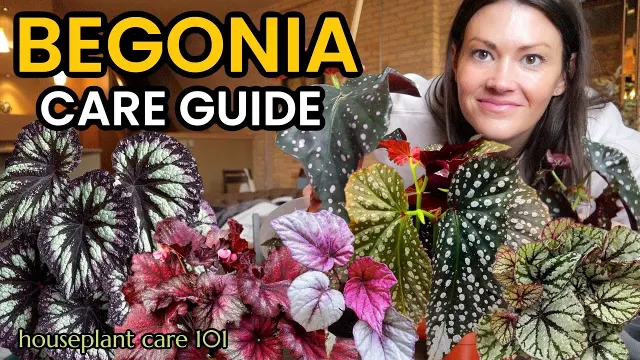
 Begonia Houseplant Care: Watering, Repotting, Soil and Light
#Propagation
2 ideas
Begonia Houseplant Care: Watering, Repotting, Soil and Light
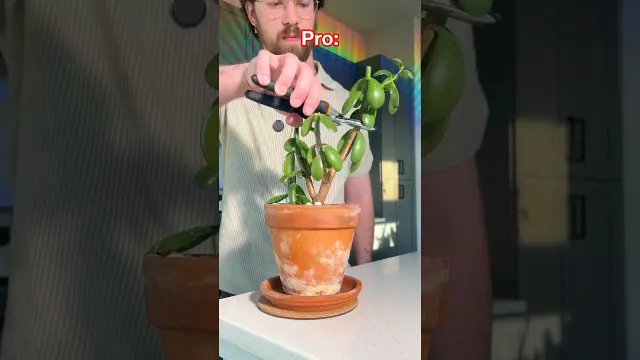 Beginner Versus Pro Plant Parent: Houseplant Care Compared
Get new #Propagation ideas by email
Every Thursday: the week's best ideas, with the newest from #Propagation.
Related tags
Plant Propagation: A Beginner's Guide to Growing New Plants
Propagation is the practice of making new plants from existing ones. Gardeners have done it for as long as people have grown things, and it remains one of the most satisfying parts of keeping plants: a single pothos, mint stem or geranium can become a whole collection, shared with friends and neighbours. It is also how many favourite varieties stay exactly as they are, since a cutting or division carries the same characteristics as its parent.
Two broad approaches
Sexual propagation means growing from seed. Each seed is a genetic mix of two parents, so seedlings may differ from the plant they came from. This is useful for vegetables and annual flowers, and it is the only way to get genuinely new varieties.
Asexual, or vegetative, propagation covers everything else: cuttings, division, layering, offsets and grafting. Because no genetic reshuffling happens, the offspring are clones of the parent. This is how named cultivars of houseplants, roses, fruit trees and shrubs are kept true.
Read more
Cuttings, the most common method
A cutting is a piece of stem, leaf or root that is encouraged to form its own roots. Stem cuttings are the workhorse of indoor gardening. Take a healthy section with a node, the small bump where leaves and roots emerge, since roots usually form there. Strip the lower leaves, place the cut end in water or a light rooting mix, and keep it warm and out of harsh sun.
Leaf cuttings work for plants that can regenerate from a single leaf, and root cuttings suit some perennials. Water rooting is easy to watch but needs changing regularly; rooting in moist mix takes longer to show progress but produces sturdier plants that transplant with less shock.
Division, layering and offsets
Division simply means splitting a mature clump into several pieces, each with roots and shoots. It suits plants that grow in clusters and is best done when the plant is not in its most active push of growth.
Layering leaves a stem attached to the parent while it roots, so it never lacks water or nutrients. You bend a low stem to the soil, pin it down, and cut it free once roots have formed. Offsets, the small plantlets some succulents and bulb plants produce, can be separated and potted on their own.
What beginners should know
- Start with forgiving plants. Many trailing houseplants, herbs and easy succulents root readily and teach you what healthy roots look like.
- Use clean tools and fresh potting mix. A sharp, clean cut and a clean container reduce the chance of rot.
- Avoid overwatering newly potted cuttings. Roots that are still forming use little water, so damp rather than soaked is the aim.
- Give bright, indirect light and steady warmth. Direct midday sun can scorch a cutting with no roots to support it.
- Be patient. Some plants root in a couple of weeks, others take months, and a little gentle tug is a better test than lifting the cutting out to look.
Propagation rewards observation more than equipment. Watch how your plants respond, keep notes if it helps, and expect a few failures along the way. Every gardener loses cuttings; the ones that take more than make up for it.
#Propagation: frequently asked questions
How do I get started with propagation if I have never done it before?
Begin with an easy, forgiving plant such as a trailing houseplant, a herb or a simple succulent, since these root readily and show you quickly what healthy new growth looks like. Take a clean, sharp cut from healthy material, remove the lower leaves and place the cut end in water or a light rooting mix. Keep the setup warm with bright, indirect light and judge progress by a gentle tug rather than pulling the cutting out to inspect it.
What do I actually need to propagate a plant?
Very little: a clean cutting tool, a clean jar or small pot, and a light rooting mix or fresh water will cover most projects. Cleanliness matters more than fancy gear, because a sharp clean cut and a clean container reduce the chance of rot. Beyond that, patience and a habit of watching how the plant responds will take you further than any equipment.
Should I root my cuttings in water or in potting mix?
Water rooting is the easiest to watch and reassures beginners, but the water needs changing regularly and the roots formed are softer. Rooting directly in a moist mix takes longer before you see anything, yet it produces sturdier plants that transplant with less shock. Either works well, so choose based on whether you want visible progress or a stronger final plant.
How do I look after a cutting once it is potted up?
Keep the mix damp rather than soaked, since roots that are still forming use very little water and sitting wet is the quickest route to rot. Give bright, indirect light and steady warmth, and keep the cutting out of harsh midday sun that could scorch it while it has no roots to draw on. Let it settle undisturbed and test for rooting with a light tug instead of lifting it out.
Which propagation method suits which kind of plant?
Stem cuttings are the everyday choice for most houseplants and herbs, while leaf cuttings work for plants able to regenerate from a single leaf and root cuttings suit certain perennials. Plants that grow in dense clumps are better divided, and stems that bend easily to the soil can be layered while still attached to the parent. Succulents and bulb plants often hand you ready-made offsets that simply need separating and potting on.
Why do cuttings so often fail, and what can I do about it?
The usual culprits are overwatering, dirty tools or containers, and too much direct sun on a piece with no roots to support it. Rot is far more common than underwatering in a fresh cutting, so aim for damp rather than soaked. Some losses are simply normal, and even experienced growers expect a few failures alongside the ones that take.
Videos come from YouTube and posts from Instagram; titles and summaries are our own. All rights belong to their creators.