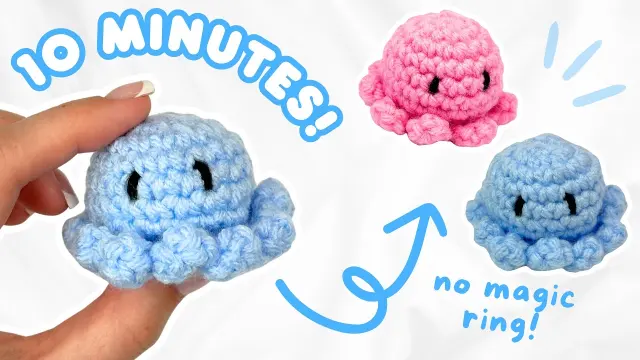
 Easy No-Sew Crochet Mini Jellyfish Octopus Tutorial
#Beginner
1 ideas
Easy No-Sew Crochet Mini Jellyfish Octopus Tutorial
Get new #Beginner ideas by email
Every Thursday: the week's best ideas, with the newest from #Beginner.
Related tags
Beginner Basics and First Steps
Getting started
Being a beginner simply means you are at the start of learning something new. Every skill begins with small, imperfect attempts, so the most useful thing you can bring is curiosity. When you are new to a craft, hobby, or creative technique, it helps to focus on the basics first rather than trying to do everything at once. Simple projects, clear instructions, and a little repetition can make the whole process feel much more manageable.
A beginner-friendly approach is usually about learning the language of a craft: what the materials are, how they behave, and what the most common steps look like. For example, in creative hobbies you may first learn how to hold tools, prepare materials, follow simple patterns, or make basic shapes before moving on to more detailed work. Those early skills often become the foundation for everything that comes later.
What beginners should know
Read more
It is normal for the first few attempts to look uneven. Early results are not a sign that you are bad at something; they are part of how learning works. Try to choose projects that are small, clear, and forgiving. A good beginner project usually teaches one or two new skills at a time without too many complicated steps.
Some helpful habits for beginners include:
- Start with simple materials and familiar tools.
- Read or watch the full instructions before you begin.
- Keep your workspace tidy so you can find what you need.
- Practice the same step more than once if it feels awkward.
- Give yourself time to learn instead of expecting quick perfection.
Common styles and levels
“Beginner” can mean different things depending on the hobby. In some crafts, it may mean learning basic stitches, folds, cuts, or knots. In others, it may mean using easy patterns, simple decorations, or one-color designs before trying more advanced versions. The best beginner paths usually have a clear structure and a low risk of frustration.
As you grow more confident, you can move from:
- Basic techniques to mixed techniques
- Simple shapes to more detailed forms
- Small projects to larger ones
- Following instructions exactly to making your own choices
Practical tips for learning well
Try to keep your first goals realistic. Learning is easier when you can finish something and feel a sense of progress. It also helps to review what worked after each project: which step felt easy, which part was confusing, and what you would do differently next time. That kind of reflection builds confidence.
If something does not turn out as expected, treat it as practice rather than failure. Many skills improve through repetition, patience, and small corrections. A beginner’s mindset is about staying open, asking questions, and enjoying the process of learning. Over time, the basics become familiar, and what once felt difficult starts to feel natural.
Videos come from YouTube and posts from Instagram; titles and summaries are our own. All rights belong to their creators.