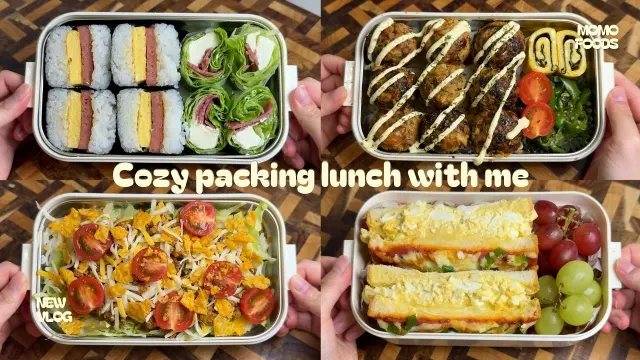
 Five Simple Husband Lunch Box Recipes, From Bento to Rice Bowl
#Bento
1 ideas
Five Simple Husband Lunch Box Recipes, From Bento to Rice Bowl
Get new #Bento ideas by email
Every Thursday: the week's best ideas, with the newest from #Bento.
Related tags
Bento Boxes: A Simple Guide to Balanced Packed Meals
Bento is a Japanese style of packed meal, usually arranged in a box or compartmented container so that different foods stay neat and easy to eat. The idea is older than the modern lunch box and has long been part of everyday life in Japan, where a meal is often packed to be practical, balanced, and pleasant to look at. Over time, bento has also become popular in many places as a simple way to take lunch to work, school, or travel.
What makes a bento
A bento is not one fixed recipe. It is more of a way of assembling food. A typical bento may include rice, noodles, bread, or another staple, along with protein, vegetables, and a small sweet or fruit. The balance matters as much as the ingredients. A good bento is filling, varied, and easy to eat without much mess.
Traditional Japanese bentos often focus on harmony in taste, color, and texture. That means mixing soft and crisp foods, light and savory flavors, and a few different colors so the meal feels complete. Many people also like to separate foods so that flavors do not mix too much before eating.
Read more
Common types and styles
There are many ways to make a bento, but a few broad styles are especially common:
- Rice-based bento, with rice as the main base and small side dishes around it
- Sandwich or bread bento, using bread rolls, sandwiches, or wrapped fillings
- Noodle bento, packed with noodles and separate toppings or sauces
- Mixed bento, with a little of several dishes rather than one main staple
- Decorative bento, where food is arranged carefully for a neat or playful look
You do not need to make a decorative bento for it to be a true bento. A simple, practical lunch can be just as authentic in spirit.
How to build one
If you are new to bento, start with a simple formula:
- One main staple, such as rice, noodles, bread, or salad greens
- One protein, such as eggs, chicken, tofu, beans, fish, or cheese
- One or two vegetables, cooked or raw
- A small fruit or sweet if you like
Try to choose foods that keep well and taste good at room temperature or after cooling. Foods with too much sauce can make the box soggy, so pack dressings or sauces separately when needed. Firm vegetables, simple stir-fries, roasted items, and sliced fruit are often easier to manage than very wet dishes.
Practical tips for beginners
A bento works best when it is easy to prepare and easy to eat. Keep pieces bite-sized, pack food snugly so it does not shift around, and let hot food cool before closing the container. This helps preserve texture and prevents excess moisture. If you want a tidy look, use dividers, small cups, or natural separators like lettuce leaves.
You can also use leftovers cleverly. A bento is a good way to turn last night’s rice, vegetables, or roast chicken into a fresh lunch. Start with simple combinations and repeat what works for you. Over time, you will learn which foods travel well and which textures you enjoy most.
A calm, useful kind of meal
At its heart, bento is about making a meal that is practical, balanced, and cared for. It does not need to be complicated or decorative to be satisfying. If you keep variety, neatness, and ease in mind, you can build a bento that feels thoughtful and works beautifully in everyday life.
#Bento: frequently asked questions
What exactly is a bento, and how is it different from an ordinary packed lunch?
A bento is a Japanese way of packing a meal into a box or compartmented container so the food stays tidy and easy to eat. It is less a single recipe than a method of assembling parts — a staple, a protein, vegetables and often something small and sweet — with attention to balance, colour and texture. The care taken in arranging it is what sets it apart from simply throwing lunch into a bag.
What do I actually need to start making bento at home?
You need very little beyond a container with a lid that closes securely; compartments or small cups help, and dividers or a lettuce leaf will do the same job. Beyond that, any sharp knife for cutting food into bite-sized pieces is enough. Fancy boxes and special tools are nice to have, but a plain lunch box works perfectly well.
There seem to be so many styles — how do I choose which bento to make?
Start from what you already eat happily: if rice is your usual base, build around rice with small side dishes, and if sandwiches are more your habit, a bread-based bento will feel natural. Noodle and mixed styles suit people who prefer variety over a single main. Decorative bento is optional — a plain, practical box is just as authentic in spirit.
How do I keep a bento in good condition until it is time to eat?
Let hot food cool before closing the lid, since trapped steam softens textures and makes everything damp. Pack pieces snugly so nothing shifts around, and keep wet sauces or dressings in a separate small container rather than pouring them over the food. Choosing items that hold up well at room temperature, such as firm vegetables, roasted dishes and simple stir-fries, makes the biggest difference.
What are the most common mistakes beginners make with bento?
The usual ones are overfilling the box, using very saucy or watery dishes that soak into everything else, and sealing the lid while the food is still warm. Another is trying to make it look impressive before getting the basics right. Keeping pieces bite-sized, packing snugly, and repeating a few combinations you know work will solve most of it.
Can I make a bento for a special occasion or a lunch someone will look forward to?
Yes — the same formula simply gets a little more attention: a favourite staple, a protein the person enjoys, and vegetables cut into neat or playful shapes. Colour does most of the work, so a few contrasting items arranged with care read as celebratory without much effort. Leftovers from a previous meal can be repurposed this way too, which keeps the preparation calm rather than rushed.
Videos come from YouTube and posts from Instagram; titles and summaries are our own. All rights belong to their creators.