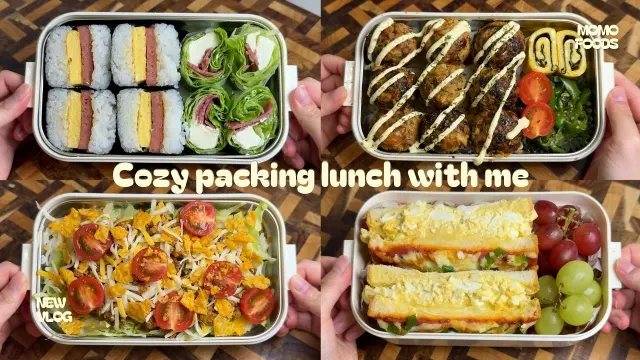
 Five Simple Husband Lunch Box Recipes, From Bento to Rice Bowl
#Everyday Cooking
2 ideas
Five Simple Husband Lunch Box Recipes, From Bento to Rice Bowl
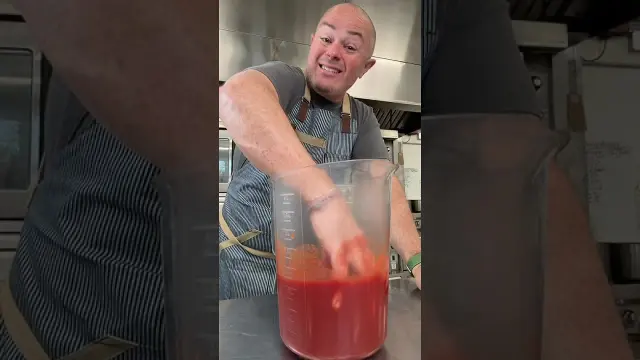 Culinary School Marinara With Onion, Garlic and Basil
Get new #Everyday Cooking ideas by email
Every Thursday: the week's best ideas, with the newest from #Everyday Cooking.
Related tags
Everyday Cooking: Simple, Reliable Meals for Real Life
Everyday cooking is the food you make on a Tuesday, not the food you make for a party. It is the small, repeated, ordinary cooking that keeps a household fed: a pot of soup, a pan of eggs, a tray of vegetables in the oven, a bowl of pasta thrown together after work. It rarely appears in cookbooks as a category, because it is less a cuisine than a rhythm — the practical kitchen work that sits between a recipe and a habit.
Where it comes from
Almost every food culture has its own version of this. The everyday kitchen is where home cooks have always used what was close at hand: what grows nearby, what is affordable, what keeps well, what the previous generation taught without writing it down. Those practical dishes, repeated for years, are the actual foundation of most cooking traditions. The elaborate dishes came later, built on top of them.
What everyday cooking is for
Read more
Its main job is to make feeding yourself and the people around you manageable. That means a few things at once: it should be quick enough to fit into a normal day, flexible enough to absorb what is in the fridge, forgiving enough that a small mistake does not ruin it, and cheap enough to happen often. It also has to be pleasant enough that you want to do it again tomorrow.
The skills it relies on are modest and worth learning properly:
- Judging heat by sound and smell rather than by the clock
- Seasoning in stages, tasting as you go
- Knowing a few all-purpose methods: roasting, simmering, sautéing, boiling, and one reliable way to cook rice or pasta
- Learning what can be swapped for what, so a missing ingredient is not a crisis
- Keeping a small set of staples that combine well: oil, onions, garlic, canned tomatoes, grains, dried spices, eggs, something frozen
Styles and approaches
Some cooks lean on batch cooking: making a large pot of something on a free day and eating from it for several days. Others prefer the assembly approach, where components — cooked grains, roasted vegetables, a protein, a sauce — are prepared separately and combined differently each time. A third way is the one-pot habit, where everything goes in together and the washing-up stays small. None of these is better than the others; the right one is the one that matches how much time and energy you actually have.
What beginners should know
Start with fewer recipes than you think you need. Making the same simple dish several times teaches more than making five new ones once, because repetition is where you learn how a dish behaves. Read the whole recipe before you start. Prepare ingredients before you turn on the heat. Keep your knives reasonably sharp. Accept that a plain meal eaten at home is a good outcome, not a compromise.
Above all, everyday cooking improves by accumulating. Each week of ordinary practice adds something — a shortcut, a sense of timing, a combination you liked — and those small gains are the whole point of it.
#Everyday Cooking: frequently asked questions
How do I start with everyday cooking if I've barely cooked before?
Begin with a very small set of simple dishes and make each of them several times rather than jumping between new recipes. Repetition is what teaches you how a dish behaves — how it sounds when it's ready, how it smells when it's browning, how much seasoning it actually needs. Read the recipe through before you turn on the heat, and have your ingredients prepped first so nothing burns while you're still chopping.
What should I keep on hand for everyday cooking?
Stock a small set of staples that combine well with almost anything: oil, onions, garlic, canned tomatoes, grains, dried spices, eggs, and something in the freezer for the days you have nothing left in you. The point isn't a huge pantry, it's a set you understand well enough to improvise from. Keep your knives reasonably sharp too — it makes ordinary prep faster and safer.
Should I batch cook, prep components separately, or cook everything in one pot?
All three work, and the right one depends on how much time and energy you actually have that week rather than which is objectively best. Batch cooking suits a free day followed by busy ones, the assembly approach suits people who dislike eating the same thing repeatedly, and one-pot cooking keeps the washing-up small. Try each once and notice which one you actually keep doing.
What are the most common mistakes people make when cooking every day?
The usual ones are starting too many new recipes, cooking before the ingredients are ready, and seasoning only at the end instead of tasting and adjusting as you go. Another is treating a plain meal at home as a compromise rather than a perfectly good outcome. Judging heat by sound and smell instead of strictly by the clock fixes a surprising amount of this.
How do I keep everyday cooking from getting boring?
Build meals from separate components — a grain, a vegetable, a protein, a sauce — and recombine them differently rather than cooking a whole new dish each night. Learning what can be swapped for what helps here too, since a missing ingredient becomes an opening for a variation instead of a crisis. Packing a lunch box or a rice bowl is largely this same skill in a different shape.
Does everyday cooking actually get easier over time?
Yes, and that accumulation is the whole point — each week of ordinary practice adds a shortcut, a better sense of timing, or a combination you liked and will make again. Those practical dishes repeated for years are how most home cooking traditions were built in the first place. The gains are small individually but they don't go away.
Videos come from YouTube and posts from Instagram; titles and summaries are our own. All rights belong to their creators.