 Italian Oven Method for Shatter-Crisp Chicken Wings
#Italian Cooking
3 ideas
Italian Oven Method for Shatter-Crisp Chicken Wings
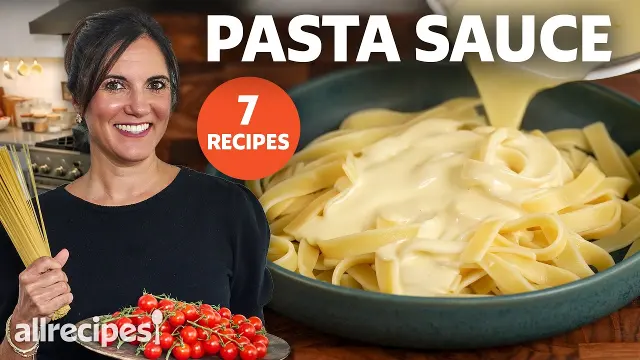 Seven Essential Pasta Sauces Every Home Cook Should Know
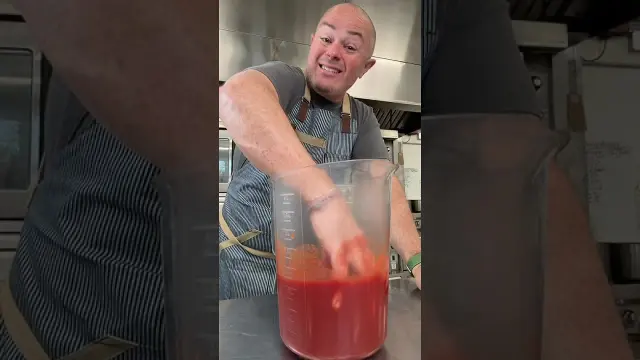 Culinary School Marinara With Onion, Garlic and Basil
Get new #Italian Cooking ideas by email
Every Thursday: the week's best ideas, with the newest from #Italian Cooking.
Related tags
Italian Cooking: A Beginner's Guide to the Real Thing
Italian cooking is less a single cuisine than a family of them. Italy was a patchwork of regions and city-states for centuries, and each area kept its own ingredients, its own shapes of pasta, its own way with bread and cheese. A cook in the north works with butter, rice and polenta; a cook in the south reaches for olive oil, tomatoes and dried pasta. What ties them together is not a shared recipe book but a shared attitude: start with good ingredients, treat them gently, and stop before you have done too much.
The ingredients carry the dish
The heart of the tradition is restraint and freshness. A well-stocked Italian kitchen does not need dozens of spices. It needs a few things worth having: decent olive oil, canned tomatoes that taste of tomato, dried pasta made from good wheat, garlic, onions, a hard aged cheese, and something fresh and green to finish the plate. When the raw materials are good, the cooking can be brief and the results still generous. When they are poor, no amount of technique rescues them.
Techniques worth learning
Read more
You can go a long way with three or four skills.
- Soffritto: the slow sweat of finely chopped onion, carrot and celery in oil or butter, the aromatic base of countless sauces, braises and soups. Give it time and low heat; it should soften and sweeten, never brown.
- Pasta water: the starchy water your pasta cooked in is a seasoning and a thickener. Add a splash to your sauce so it clings to the noodles instead of sliding off.
- Al dente: cook pasta until it is tender but still has a little bite. It tastes better and holds its shape when it meets the sauce.
- Emulsifying: tossing drained pasta with fat and a little cooking water in the pan, off the heat, binds everything into a glossy sauce rather than a puddle.
What Italian cooking is not
It is a cuisine of home kitchens more than of restaurants, and it rarely involves a long list of ingredients. Traditional dishes are built to feed families from what was affordable and near at hand. That is why so much of it is simple: beans with pasta, vegetables with oil and herbs, bread baked to use up flour, sauces made from a cupboard. Elaborate restaurant versions exist, but they are interpretations, not the originals.
Practical advice for getting started
Buy the best of a few things rather than the cheapest of many. Taste as you cook; seasoning is personal and no recipe can do it for you. Learn one good tomato-based sauce, one good braise and one good tomato-less pasta dish, and you will have most evenings covered. Keep dried pasta in the cupboard, keep a block of hard cheese wrapped in the fridge, and keep a tin of tomatoes in reserve. Respect the classics before you improvise, then improvise freely. Above all, cook for people and eat at a table — in Italy, the meal's generosity matters as much as its ingredients.
#Italian Cooking: frequently asked questions
How do I start cooking Italian food at home if I’m a beginner?
Start with a few reliable basics instead of trying to master everything at once. Build one tomato sauce, one braised dish, and one simple pasta dish, then learn to taste and adjust as you go.
What ingredients do I really need for a good Italian kitchen?
A good Italian kitchen relies on a small set of strong ingredients: olive oil, tomatoes, dried pasta, garlic, onions, and a hard aged cheese. Fresh herbs or greens for finishing are useful too, because the style depends on freshness more than a long spice list.
How do I choose the right kind of Italian dish or pasta sauce to make?
Choose by the ingredients you have and the mood of the meal. Tomato-based sauces are a natural fit for many everyday pastas, while olive oil, vegetables, beans, or cheese can lead you toward simpler, lighter dishes that suit different regions and seasons.
What are the most important cooking techniques to learn for Italian recipes?
Focus on gentle cooking, especially making a soft soffritto, cooking pasta until it is al dente, and using pasta water to help sauces cling. Tossing the pasta with fat and a little cooking water at the end helps create a glossy sauce instead of a watery one.
What are common mistakes people make when cooking Italian food?
The biggest mistake is using too many ingredients or overpowering the dish with strong seasoning. Another common error is overcooking pasta or skipping the final toss with sauce, which can leave the dish heavy instead of balanced.
Videos come from YouTube and posts from Instagram; titles and summaries are our own. All rights belong to their creators.