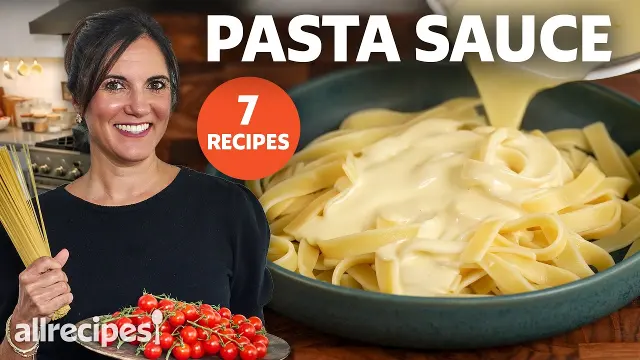
 Seven Essential Pasta Sauces Every Home Cook Should Know
#Alfredo
1 ideas
Seven Essential Pasta Sauces Every Home Cook Should Know
Get new #Alfredo ideas by email
Every Thursday: the week's best ideas, with the newest from #Alfredo.
Related tags
Alfredo Sauce: A Guide to the Real Thing and Its Cousins
Alfredo is a pasta sauce built on very little: butter, grated cheese and the starchy water the pasta cooks in. Nothing else is strictly required. That short list is what makes it both one of the easiest sauces in the Italian repertoire and one of the easiest to ruin.
Where it comes from
The dish was born in Rome in the early twentieth century, invented by a restaurateur who served fettuccine tossed at the table with butter and parmesan until the two emulsified into a glossy coating. It was a dish of simplicity and theatre — the performance of the tossing was as much the point as the ingredients.
When it crossed the Atlantic, it changed. Cooks abroad wanted a sauce they could pour from a jug, so cream was added, along with garlic, and sometimes flour as a thickener. The result is a genuinely different dish: richer, whiter, more sauce than coating. Neither version is a mistake. They are two recipes sharing a name, and it helps to know which one you are making.
Read more
The Italian approach
True fettuccine al burro e parmigiano has no cream at all. The sauce comes together because fat and cheese are emulsified with hot, starchy pasta water and constant motion. The pan should be warm but never hot enough to brown the butter. Cheese should be finely grated, fresh, and added off the heat. Too much heat is what turns it into a stringy, greasy tangle; a splash of pasta water is what brings it back.
The cream version
The cream-based sauce you will meet on menus outside Italy is more forgiving. Reduce cream gently, season lightly, take the pan off the heat before the cheese goes in, and fold the pasta through. Garlic, nutmeg, cracked pepper and mushrooms all belong here happily. Chicken and shrimp are common additions, though they turn a sauce into a whole meal.
Practical tips for beginners
- Grate the cheese as finely as you can; coarse shreds melt unevenly.
- Reserve a mug of pasta water before draining. It is the ingredient that saves the sauce.
- Take the pan off the heat before adding cheese, whether or not you used cream.
- Toss the pasta in the pan, not the sauce on the plate. The starch on the pasta surface is part of the thickening.
- Serve immediately. An Alfredo waiting under a lamp thickens into something closer to paste.
- If it splits, don't panic: a warm pan, a spoonful of water and steady stirring will usually bring it back.
The pleasure of this dish is its honesty — few ingredients, short timing, and nothing to hide behind. Buy the good cheese, grate it fine, and trust the heat of the pan rather than the clock.
#Alfredo: frequently asked questions
What do I need to make Alfredo at home?
The Italian version calls for very little: butter, finely grated hard cheese, and the starchy water the pasta cooks in. Nothing else is strictly required, which is exactly why the quality of those few things matters so much. If you are making the cream-based style, add cream and keep the rest of your seasoning light.
Should I make the Italian version or the creamy one?
They are two different recipes sharing a name, so decide which one you are aiming for before you start. The Italian style is a glossy coating emulsified with pasta water and constant tossing, while the cream version is richer, whiter and far more forgiving of a cook who is still finding their feet. Neither is a mistake — just know that the timing and technique are not interchangeable.
Why does my Alfredo turn stringy or greasy?
Almost always because of heat: cheese added to a pan that is too hot seizes and splits instead of melting into a smooth sauce. Take the pan off the heat before the cheese goes in, grate the cheese as finely as you can so it melts evenly, and keep the butter warm rather than sizzling. If it does split, a warm pan, a spoonful of reserved pasta water and steady stirring will usually bring it back together.
Which kind of cheese should I choose?
Go for a hard, aged grating cheese that is fresh and grate it as finely as possible, since coarse shreds melt unevenly and leave the sauce grainy. Buy the good one — with so few ingredients in the pan, the cheese is doing most of the work. Skip anything pre-shredded or dusty, as it will not emulsify cleanly.
What are the most common mistakes beginners make?
The big ones are draining the pasta without reserving any cooking water, adding cheese to a pan that is still on the heat, and letting the finished dish sit before serving. Toss the pasta in the pan rather than spooning sauce over a plated mound, because the starch on the pasta surface helps thicken and bind. Alfredo waits for no one; it stiffens quickly once it stops moving.
What can I add to Alfredo to make it a fuller meal?
The cream-based style takes kindly to garlic, cracked pepper, nutmeg and mushrooms, and chicken or shrimp turn it from a sauce into a whole dinner. Keep the additions restrained and season lightly, since the cheese is already salty. The Italian version is best left alone — its pleasure is its honesty.
Videos come from YouTube and posts from Instagram; titles and summaries are our own. All rights belong to their creators.