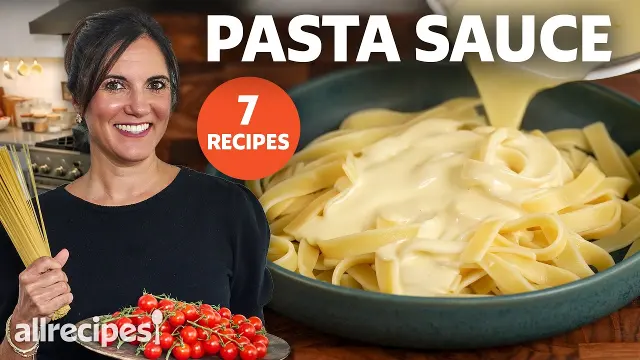
 Seven Essential Pasta Sauces Every Home Cook Should Know
#Pesto
2 ideas
Seven Essential Pasta Sauces Every Home Cook Should Know
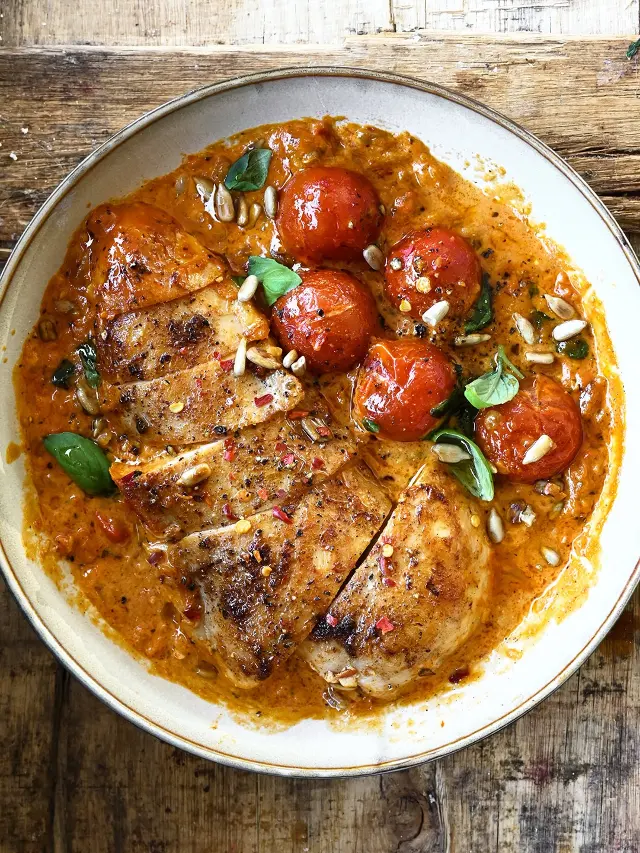 Creamy Red Pesto Chicken with Tomatoes
Get new #Pesto ideas by email
Every Thursday: the week's best ideas, with the newest from #Pesto.
Related tags
Pesto: A Guide to Italy's Beloved Basil Sauce
Pesto is one of those sauces that tastes of a place. Bright, green, faintly sweet with basil, savoury from cheese and toasted nuts, it belongs to Genoa and the Ligurian coast, where basil grows in small-leaved, intensely fragrant bushes on terraced hills above the sea. The name itself comes from the Italian word pestare, to pound or crush, which tells you almost everything about how it was traditionally made.
Where it comes from
The old method is a marble mortar and a wooden pestle. Ingredients go in a little at a time and are worked against the sides of the bowl rather than chopped, so the basil is bruised and releases its oils without being shredded into bitterness. Crushed herb and nut sauces have long roots in Italian home cooking, but the basil version is firmly tied to Liguria, and it is still made there by hand in the same unhurried way.
The classic ingredients
Read more
The traditional combination is short and specific:
- Sweet basil, ideally small-leaved and freshly picked
- Pine nuts, mild and slightly sweet
- Garlic, a clove or two, no more
- Coarse salt, which helps the leaves break down
- Extra virgin olive oil, added gradually
- Aged cheese, usually a mix of Parmesan and a sharper sheep's cheese such as pecorino
Each one has a job. The nuts give body and roundness, the salt draws out the basil's flavour, the oil carries the aroma, and the cheese brings depth and seasoning.
Making it at home
A food processor is perfectly good, as long as you treat it gently. Pulse the garlic and nuts first, add the basil and salt, then pour the oil in a thin stream with the machine running and stir the cheese in by hand at the end. Over-blending warms the sauce and dulls the flavour, so short bursts are better than a long whir. If you want a brighter green, chill the bowl and blade beforehand and keep the basil cool.
Pesto keeps for a few days in the fridge in a tightly closed jar, with a thin layer of oil on top to keep the air away. It also freezes well in small portions, which is a good reason to make more than you need.
Variations and ways to use it
Once you understand the balance of herb, nut, oil and cheese, the pattern opens up. Pesto rosso swaps basil for sun-dried tomatoes; pistachio pesto is a Sicilian speciality; walnuts, rocket, parsley or kale all make satisfying versions. Beyond pasta, a spoonful lifts soups, minestrone, salad dressings, sandwiches, grilled vegetables, roasted potatoes and scrambled eggs.
One rule worth keeping: don't cook pesto. Stir it into drained pasta off the heat, loosened with a little of the starchy cooking water, so the sauce coats the strands without turning dull.
If you are just starting out
- Begin with the classic version before you improvise.
- Toast the nuts lightly and let them cool, then taste before adding salt, since the cheese is salty too.
- Use good olive oil, but save the most delicate bottle for finishing.
- Make small batches and use them while the basil is at its best.
- Taste as you go and adjust the garlic and cheese to your own palate.
Learn the rhythm once and pesto becomes something you make without measuring.
#Pesto: frequently asked questions
What exactly is pesto, and why is it made the way it is?
Pesto is a cold, uncooked sauce built from basil, nuts, garlic, olive oil and aged cheese, crushed together rather than chopped. The name comes from the Italian word for pounding, and that origin explains the method: bruising the leaves releases their fragrant oils without shredding them into bitterness. It is traditionally associated with Genoa and the Ligurian coast, where small-leaved basil grows on terraced hills above the sea.
How do I make pesto at home for the first time?
Start with the classic combination and treat the ingredients gently, whether you use a mortar or a food processor. Crush or pulse the garlic and nuts first, then work in the basil with a pinch of coarse salt and pour the oil in slowly, stirring the grated cheese in by hand at the end. Keep the bursts short and the bowl cool, because heat dulls the flavour and turns the green muddy.
Which kind of pesto should I try if I want to go beyond the classic?
Learn the traditional basil version first, since it teaches you the balance of herb, nut, oil and cheese that every other version follows. After that, sun-dried tomatoes give you a red pesto, pistachios make a Sicilian-style sauce, and walnuts, rocket, parsley or kale all work well. The pattern matters more than the exact ingredients.
How should I store pesto so it stays fresh?
Keep it in a tightly closed jar in the fridge with a thin film of oil poured over the surface to keep the air off. It freezes well in small portions, which is a good reason to make more than you plan to use while the basil is at its best. Let frozen portions thaw gently rather than heating them hard.
What are the most common mistakes people make with pesto?
The big one is over-blending, which warms the sauce and flattens its fragrance; the second is cooking it, which turns it dull and bitter. Add pesto off the heat, loosened with a little starchy pasta water so it coats properly, and taste before salting since the cheese already brings plenty. Toasting the nuts lightly and letting them cool first makes a noticeable difference.
What can I do with pesto besides tossing it through pasta?
A spoonful lifts minestrone and other soups, salad dressings, sandwiches, grilled vegetables, roasted potatoes and scrambled eggs. It also works as a finishing drizzle rather than a cooking ingredient, so add it at the end. If you are cooking chicken or fish with it, spread it on near the end rather than at the start.
Videos come from YouTube and posts from Instagram; titles and summaries are our own. All rights belong to their creators.