 Seven Homemade Sauces Instead of Bottled Ones
#Cooking Basics
4 ideas
Seven Homemade Sauces Instead of Bottled Ones
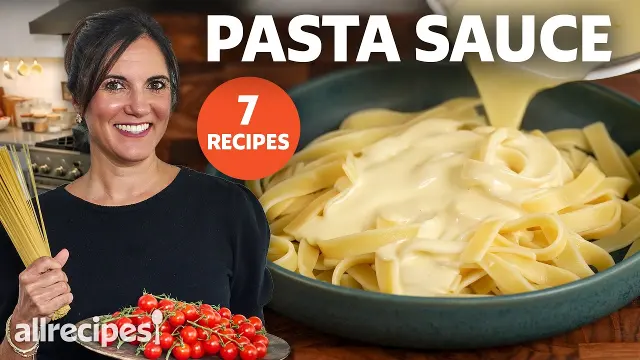 Seven Essential Pasta Sauces Every Home Cook Should Know
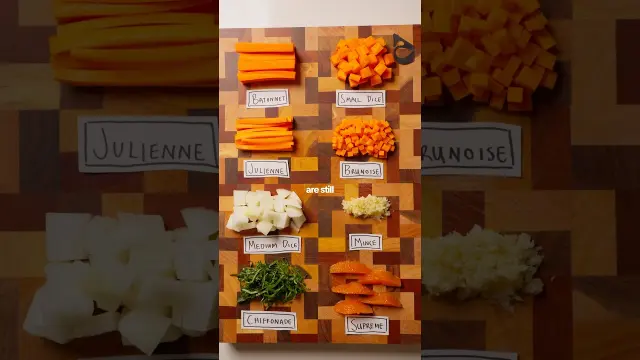 Practicing the Eight Fundamental Knife Cuts
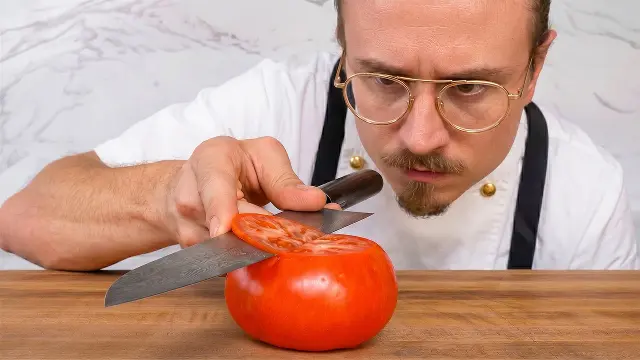 Essential Knife Skills Every Home Cook Should Know
Get new #Cooking Basics ideas by email
Every Thursday: the week's best ideas, with the newest from #Cooking Basics.
Related tags
Cooking Basics: A Guide for New Home Cooks
Cooking basics are the small set of skills that everything else in a kitchen rests on. They are not recipes but the underlying logic of them: how heat moves, how salt behaves, how a sauce thickens, how a knife cuts. A cook who understands these things can follow almost any method and adapt when something goes wrong, and can turn whatever is in the fridge into a meal without consulting a page. The good news is that the list is short, and each item improves with repetition rather than talent.
Heat Is the Real Ingredient
Most problems in home cooking come from heat rather than from ingredients. Learn what your pan does at low, medium and high settings, and give it time to reach the temperature before food goes in. A pan that is not yet hot will steam food instead of browning it, which is why so many home versions of roasted or seared dishes taste flat.
- Searing and browning need dry surfaces and a properly heated pan; pat food dry and do not crowd it.
- Simmering, poaching and stewing want gentle, steady heat, with small bubbles rather than a rolling boil.
- Residual heat keeps cooking food after it leaves the pan, so consider slightly undercooking and resting.
Read more
Salt, Fat, Acid and Texture
Four things decide whether a dish tastes finished or not: salt, fat, acid and texture. Salt does not only make food salty, it makes it taste more like itself, so season in stages rather than all at once at the end. Fat carries flavour and gives a dish body. Acid, whether lemon, vinegar or something fermented, lifts a dish that tastes heavy or dull. Texture is what makes food feel interesting to eat: something crisp inside something soft, a scattering of herbs or toasted nuts on top.
Taste constantly while you cook. Your palate is a better guide than any stated amount, and a spoonful of what is in the pot tells you more than the recipe does.
Beginners and Knives
Knife work is where beginners feel most uncertain, and where a little practice pays off most. Start with a small vocabulary of cuts: a rough dice for vegetables going into soup, even slices for anything that should cook at the same rate, and thin cross-cuts for herbs. A sharp knife is safer than a dull one because it goes where you put it instead of sliding off. Keep fingers curled back, keep the tip of the blade on the board, and accept that speed is the last thing to come.
Habits That Make It Easier
Read a method through before you start and set out what you need, so nothing is chopped or measured while the pan is already hot. Keep a small, forgiving pantry: oil, salt, an acid, an onion, garlic, a grain, something tinned. Clean as you go, and taste once more before serving.
#Cooking Basics: frequently asked questions
How do I start learning cooking basics if I’m a complete beginner?
Begin with a few core skills instead of chasing recipes: heating pans properly, seasoning as you go, basic knife work, and tasting as you cook. Reading the whole method before you start and laying out your ingredients also makes the process much easier.
What do I really need to know before cooking at home?
The most important basics are how heat behaves, how to season with salt, fat, and acid, and how to handle simple cuts with a knife. Once you understand those ideas, you can adapt many dishes instead of following directions blindly.
Which knife skills should a home cook learn first?
Start with a rough dice for vegetables, even slices for foods that should cook evenly, and thin cuts for herbs. Focus on control and safety first: keep your fingers tucked in, keep your knife sharp, and don’t worry about speed at the beginning.
How do I choose the right heat when cooking?
Use higher heat for browning and searing, but only after the pan has had time to get properly hot and the food is dry enough not to steam. For soups, stews, poaching, and simmering, choose gentle heat so the food cooks steadily instead of boiling hard.
How can I tell if a dish needs something before I serve it?
Taste it near the end and ask whether it needs more salt, richness, brightness, or texture. A little acid can wake up a heavy dish, and a crisp topping or fresh herb can make a soft dish feel more complete.
What are the most common mistakes people make with cooking basics?
Crowding the pan, rushing the heat, and adding all the seasoning at the end are common reasons food tastes flat or uneven. Another frequent mistake is not tasting during cooking, which makes it harder to adjust before serving.
Videos come from YouTube and posts from Instagram; titles and summaries are our own. All rights belong to their creators.