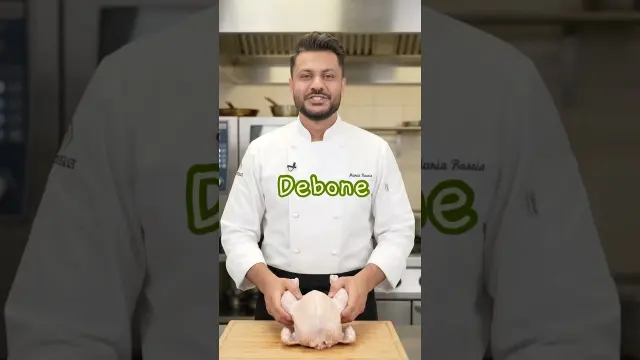
 Knife Work: Taking a Whole Chicken Apart Cleanly
#Knife Skills
13 ideas
Knife Work: Taking a Whole Chicken Apart Cleanly
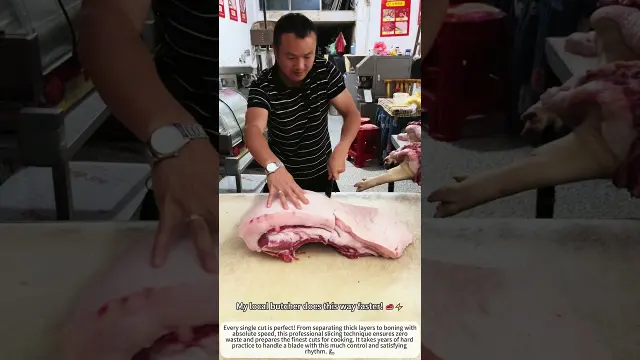 Professional Meat Cutting and Boning Technique
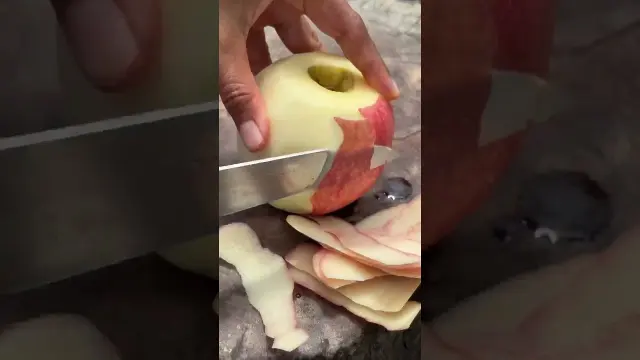 Apple Peeling and Slicing Knife Technique
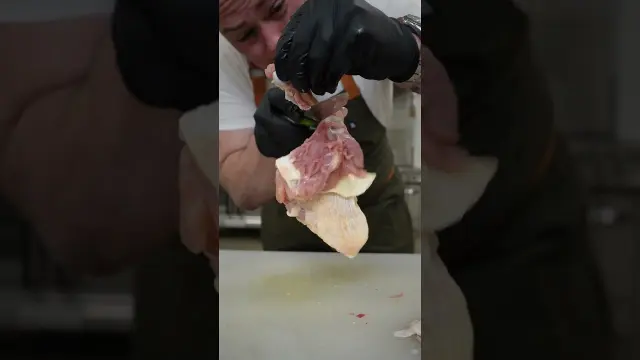 Butcher's Method for Deboning a Chicken Thigh
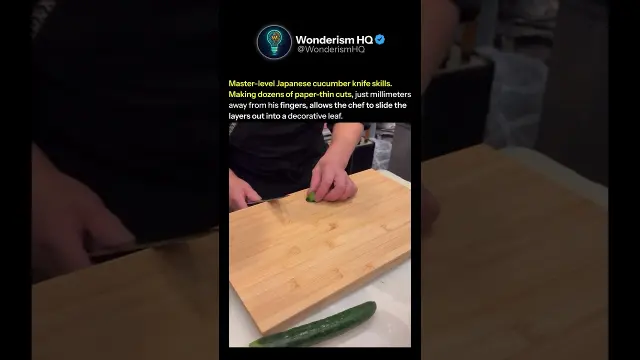 Single-Bevel Japanese Knives and Precision Vegetable Cuts
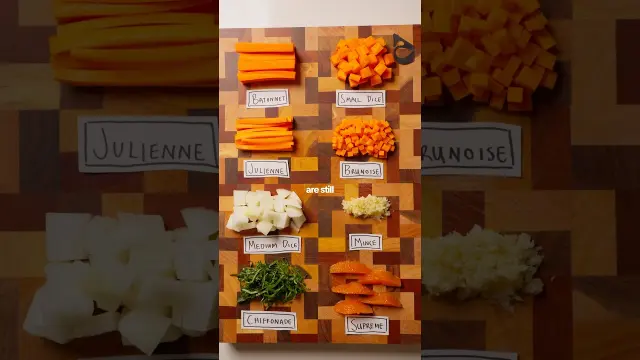 Practicing the Eight Fundamental Knife Cuts
 How to Debone a Chicken Wing for Stuffing
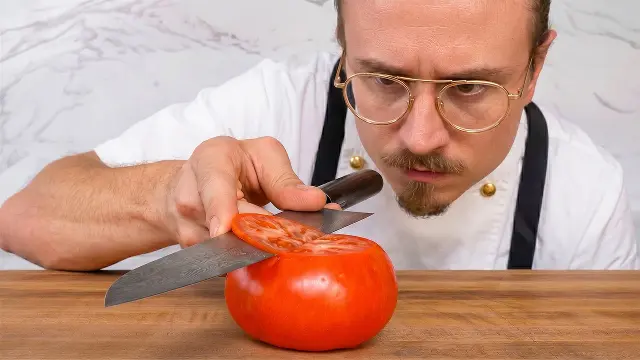 Essential Knife Skills Every Home Cook Should Know
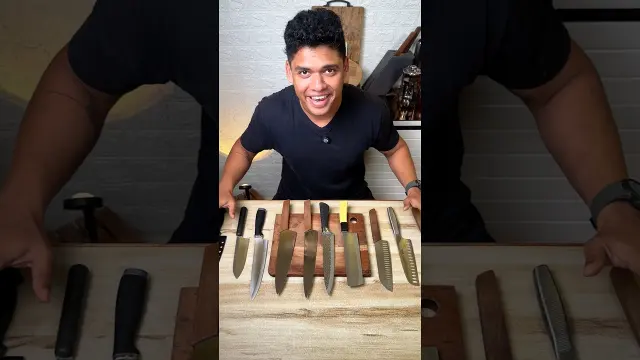 How to Hold and Use a Kitchen Knife Properly
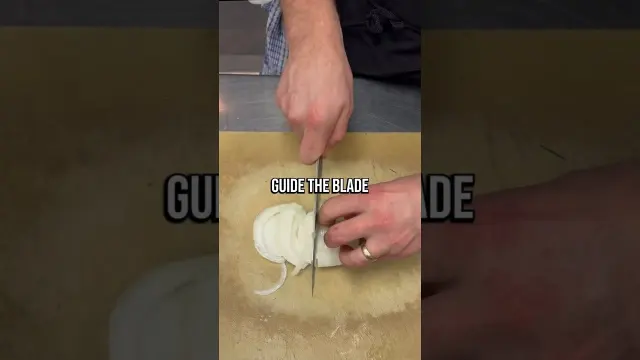 Every Knife Skill You Need to Learn in the Kitchen
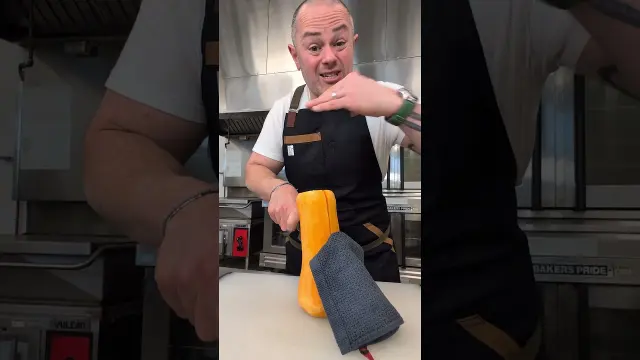 Knife Safety and Cutting Tips from Culinary Training
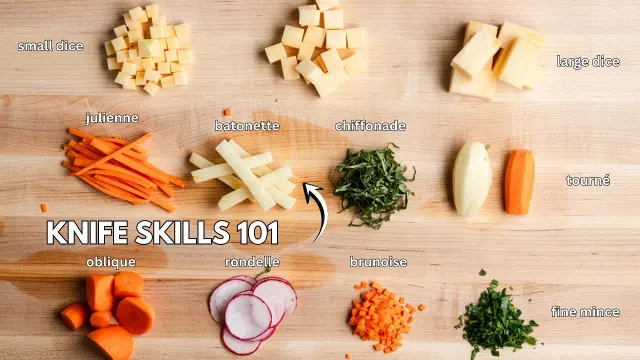 Ten Professional Knife Cuts Taught in Culinary School
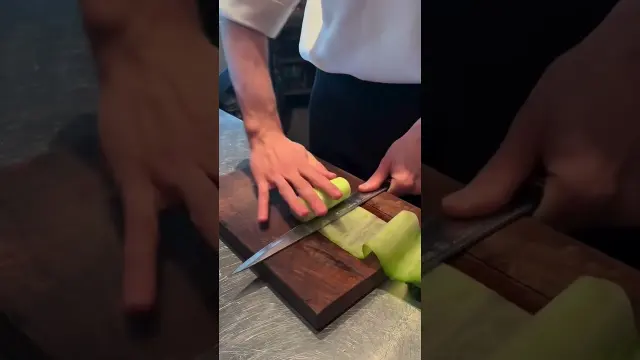 Katsuramuki: Paper-Thin Japanese Knife Technique
Get new #Knife Skills ideas by email
Every Thursday: the week's best ideas, with the newest from #Knife Skills.
Related tags
Knife Skills: A Practical Guide to Cutting with Confidence
Knife skills are the small set of habits that decide whether prepping food feels calm or clumsy. They cover how you hold the blade, how you stand at the board, how you sharpen and care for the tool, and how you turn an ingredient into the shapes a recipe asks for. None of it is glamorous, and all of it improves with practice. A cook with decent knife skills works more evenly, wastes less, and finishes sooner.
The parts of the knife
A knife is a blade plus a handle, and the blade has three regions worth knowing. The tip does delicate work, the middle does most of the cutting, and the section nearest the handle — the heel — takes the heaviest jobs. Between blade and handle sits the bolster or the junction where the two meet. The sharp edge opposite the spine is the one you protect, and the flat side is what you guide with your knuckles.
Holding the knife
Read more
Most cooks get more control from a pinch grip: thumb and forefinger on the blade just ahead of the handle, the remaining fingers wrapping the handle. It feels odd for a day and then natural. The guiding hand does the other half of the work — fingertips curled under, knuckles forward, so the blade rests against the knuckles rather than near the skin. The knife moves; the food stays put.
Sharp matters more than fast
A dull edge skids instead of biting, which is where most slips come from. Hone the edge regularly to realign it, and sharpen when honing stops helping. Keep the blade dry after washing, store it so the edge touches nothing hard, and never leave a good knife soaking in a sink.
The basic cuts
- Slice: thin, flat pieces, cut across the grain of the ingredient.
- Chop: rough, irregular pieces for anything that will be cooked down.
- Dice: even cubes in a stated size; cut into strips first, then turn and cut across.
- Julienne: fine matchsticks, made by stacking thin slices and cutting them lengthwise.
- Chiffonade: leafy herbs or greens rolled tightly and sliced into ribbons.
Evenness matters more than speed. Uniform pieces cook at the same rate; a scatter of big and small ones means some are raw while others collapse.
Setting up, and staying safe
A stable board is the foundation — a damp cloth underneath stops it sliding. Work at a height where your forearms stay roughly level. Keep the tip of the knife down on the board when you can, and let the blade rock rather than lift. Cut round things in half first so they sit flat.
Working with meat and poultry
Boning and jointing follow the same logic as vegetables: find the seams, follow the bone with the tip rather than forcing the edge through it, and let the shape of the bird guide the cuts. Start with a whole chicken if you want to learn, and go slowly — the anatomy is the same every time.
Practice on cheap ingredients. Onions, carrots and potatoes will teach you almost everything.
#Knife Skills: frequently asked questions
How do I get started with knife skills if I've never been taught?
Start with the grip and the stance before worrying about speed: pinch the blade just ahead of the handle with thumb and forefinger, curl the fingertips of your guiding hand under, and stand at a board height that keeps your forearms roughly level. Then practise on cheap, forgiving ingredients like onions, carrots and potatoes, which teach rocking, guiding and evenness without costing much. Going slowly at first is normal — accuracy comes long before speed does.
What equipment do I actually need to begin?
One sharp, comfortable knife, a stable cutting board and something to maintain the edge will take you a long way; a damp cloth under the board keeps it from sliding. Beyond that, a honing rod for realigning the edge and a way to sharpen once honing stops helping are the useful additions. Fancy extras matter far less than keeping the blade you own in good condition.
Should I choose a Western-style or a Japanese-style knife?
It comes down to how you cut and how much upkeep you want: double-bevel blades suit rocking and general chopping, while single-bevel Japanese knives are built for precise, straight-down slicing and demand more careful handling. Either works well for a home cook, so pick what feels balanced in your hand and matches the cuts you make most. Whichever you choose, edge geometry matters more than the label on the box.
How should I look after a kitchen knife so it stays sharp?
Rinse and dry the blade straight after use, since sitting wet dulls and damages the edge, and store it where nothing hard presses against it — never loose in a sink or drawer of clattering tools. Hone regularly to realign the edge, and sharpen once honing no longer brings it back. A knife that bites instead of skidding is also a safer knife, because slips mostly come from a dull edge.
What are the common mistakes beginners make when cutting?
The usual culprits are a dull blade, a wobbly board, and going too fast before the motion is reliable. Round ingredients roll unless you halve them first, and lifting the whole blade off the board makes control harder than letting the tip stay down and rocking. Uneven pieces are another frequent trap: they cook at different rates, so some end up raw while others fall apart.
How do I learn the different cuts without getting overwhelmed?
Learn them in order of difficulty rather than all at once — a slice, then a rough chop, then dice, with julienne and chiffonade following once your slices are consistent and even. Dice is really just strips turned and cut across, so each cut builds on the one before. Practise on the same cheap vegetables until the shapes come out uniform, then move on to meat, where you follow the seams and bone with the tip instead of forcing the edge through.
Videos come from YouTube and posts from Instagram; titles and summaries are our own. All rights belong to their creators.