 Knife Work: Taking a Whole Chicken Apart Cleanly
#Whole Chicken
2 ideas
Knife Work: Taking a Whole Chicken Apart Cleanly
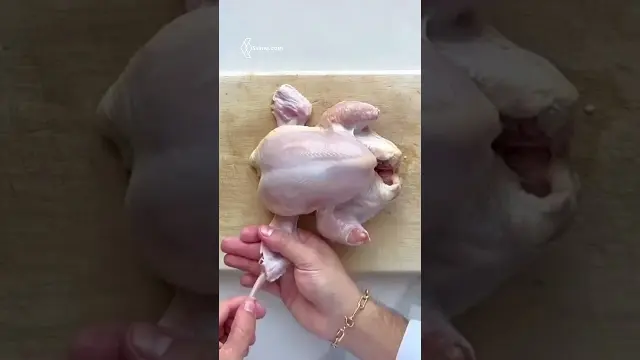 Deboning a Whole Chicken Without Damaging the Meat
Get new #Whole Chicken ideas by email
Every Thursday: the week's best ideas, with the newest from #Whole Chicken.
Related tags
Whole Chicken: A Complete Guide to Buying and Cooking
A whole chicken is simply the bird as it comes — skin on, bones in, nothing removed. It is the least processed way to buy poultry, and for many cooks it is also the most rewarding: one bird can become a roast dinner, a second meal from the leftovers, and a pot of stock from the frame. Learning to handle it whole gives you all of those options at once, and it usually costs less per portion than buying cut pieces.
What you are buying
Chickens are sold by size and by how they were raised. Smaller birds roast quickly and stay moist; larger ones feed a crowd and leave more leftovers. Labels such as free-range, organic or corn-fed describe rearing and diet rather than any guarantee of tenderness, so choose according to your budget and what matters to you. Look for firm, pinkish flesh, skin that is intact and not torn, a plump breast and a clean, mild smell. Any bird should feel cold when you buy it and go straight into the refrigerator or freezer.
Getting to know the parts
Read more
A whole chicken divides into the breast, the two legs (each a drumstick and a thigh), the wings, and the back and ribs, which are mostly bone and make the best stock. Sometimes the neck and giblets are tucked inside the cavity, so check before cooking. The bird also has natural seams between the joints, which is why it can be taken apart without sawing through bone.
Preparation
Pat the skin dry with paper towels rather than rinsing the bird — washing raw poultry splashes bacteria around the sink, and cooking deals with anything on the surface. Season all over, including the cavity, and let the bird sit at room temperature briefly before it goes into the oven. Trussing, tying the legs together, gives a neater shape and helps the bird cook more evenly, though it is optional. Salting in advance, or a short brine, improves both seasoning and texture.
Ways to cook it
Roasting is the classic method: moderate heat, breast side up, then a rest before carving so the juices settle. Spatchcocking — removing the backbone and flattening the bird — cuts the cooking time and helps the breast and legs finish together. A whole chicken can also be poached gently in stock, braised in a covered pot, or cut into eight pieces and cooked in parts. Older, tougher birds are better suited to long, slow cooking than to roasting.
Doneness, carving and the frame
Judge by the juices running clear and the meat near the bone no longer pink; a meat thermometer takes the guesswork out. Rest the bird, then carve the legs and wings first, followed by the breast, slicing across the grain. Keep the carcass: simmered with water, an onion and a few herbs, it becomes stock for soup or risotto, and the fat skimmed from the top is excellent for roasting potatoes.
Tips for beginners
Ask your butcher to break the bird down the first time and watch how it is done. Keep raw poultry away from other food and wash your hands, board and knife afterwards. Chill leftovers promptly and use them within a few days, or freeze portions.
#Whole Chicken: frequently asked questions
Is it worth buying a chicken whole instead of in pieces?
A whole bird gives you more than one meal from a single purchase: a roast, then leftovers, then stock from the frame. It is also the least processed way to buy poultry, so you get the skin and bones that make for better flavour and gravy. Learning to handle it whole once makes all of those options available to you.
How do I choose between a smaller and a larger bird?
Smaller birds roast faster and tend to stay moist, which suits a simple weeknight dinner. Larger ones are better when you are feeding a table full of people or deliberately want plenty of leftovers for later in the week. Match the size to your oven and your plans rather than to the label, since terms like free-range or corn-fed describe rearing and diet rather than guaranteeing tenderness.
What should I look for when picking one out?
Choose flesh that is firm and pinkish, with skin that is intact and not torn, a plump breast and a clean, mild smell. The bird should feel properly cold, and it should go straight into the refrigerator or freezer once you get it home. Before cooking, check the cavity in case the neck or giblets are tucked inside.
Should I rinse the chicken before cooking it?
No — pat the skin dry with paper towels instead. Rinsing raw poultry splashes bacteria around the sink and nearby surfaces, and the heat of cooking takes care of anything on the surface anyway. Season all over, including inside the cavity, and wash your hands, board and knife afterwards.
What is spatchcocking, and when should I do it?
Spatchcocking means removing the backbone and flattening the bird out before cooking. It shortens the cooking time and helps the breast and legs finish at the same moment, which is handy when you want an even result without fussing. Roasting breast side up at moderate heat with a rest afterwards remains the classic approach if you would rather keep the bird intact.
Where do beginners usually go wrong?
The most common slips are rushing the rest after roasting and throwing away the carcass. Letting the bird sit before carving keeps the juices in the meat, and simmering the frame with water, an onion and a few herbs turns it into stock for soup or risotto. If taking the bird apart feels daunting, ask your butcher to break it down the first time and watch how it is done.
Videos come from YouTube and posts from Instagram; titles and summaries are our own. All rights belong to their creators.