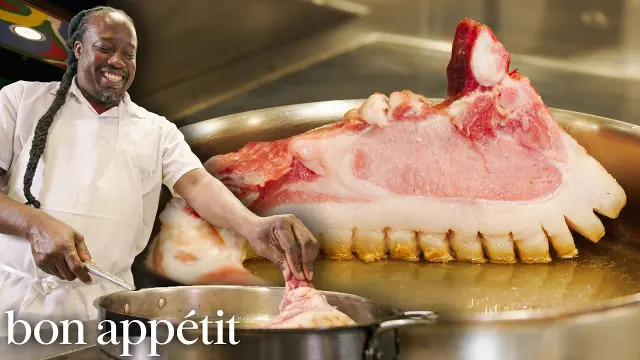
 How a New York Chef Builds a Puerto Rican Pork Chop
#Roasting
2 ideas
How a New York Chef Builds a Puerto Rican Pork Chop
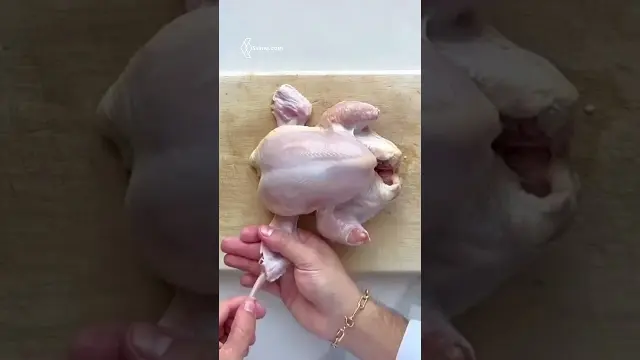 Deboning a Whole Chicken Without Damaging the Meat
Get new #Roasting ideas by email
Every Thursday: the week's best ideas, with the newest from #Roasting.
Related tags
How to Roast: A Guide to the Oven's Best Trick
Roasting is one of the oldest ways of cooking there is: food goes into a hot, dry oven and comes out browned, crisp on the outside and tender within. It is a dry-heat method, which is what separates it from braising or stewing — no liquid bath, no lid. The heat does the work, and the surface of the food is left exposed so it can brown.
That browning is the whole point. When the outside of meat or a vegetable gets hot and dry enough, its surface darkens and develops a nutty, savoury depth that no amount of steaming can produce. It is why a roasted chicken tastes different from a poached one, and why a tray of roasted carrots is a different vegetable altogether from a boiled one.
The main approaches
The two levers you have are temperature and time. A hot oven gives you fast browning and a crust, and suits smaller pieces, vegetables and anything you want crisp. A moderate oven is gentler and better for larger joints that need to cook through without the outside scorching before the middle is done. Many cooks start high for colour and then lower the heat to finish, which is simply a practical way of getting both.
Read more
Two other techniques are worth knowing. Roasting on the bone keeps meat moister and adds flavour. And roasting "dry" — patting the food thoroughly dry and giving it space on the tray — matters more than most people expect; trapped steam is the enemy of a good crust, so leave gaps between pieces instead of crowding them.
Getting it right
Season early and generously. Salt drawn over the surface ahead of time seasons the meat deeper than a last-minute sprinkle, and it helps the skin dry out, which in turn helps it crisp.
Bring larger cuts out of the fridge a little before they go in, so the middle isn't cold when the outside starts browning. Use a rack in the tin so heat circulates underneath and the food isn't sitting in its own fat.
Basting is optional; every time you open the oven you lose heat. If you want a glaze, add it towards the end, because sugary mixtures catch and burn.
Rest before you carve
Once out of the oven, meat benefits from sitting for a while, loosely covered, before it's cut. The juices settle back into the fibres instead of running out onto the board. Vegetables don't need this, but they do like a hot tray and a little oil.
For beginners
Keep it simple at first: one protein or one vegetable, oil, salt, pepper, high heat, and watch closely the first few times so you learn how your own oven behaves. Ovens vary more than recipes admit.
And use a thermometer for large pieces of meat and poultry — it's the only way to know the middle is properly cooked rather than guessing from colour or time.
#Roasting: frequently asked questions
What actually makes roasting different from other cooking methods?
Roasting is a dry-heat technique: the food sits in a hot oven with no liquid around it and no lid on top, so its surface stays exposed to the air. That exposure is what lets the outside brown and turn crisp while the inside cooks through, giving the nutty, savoury depth you never get from something simmered in liquid. Braising and stewing work the opposite way, using moisture and a covered pot to keep things soft.
How do I decide between a hot oven and a gentler one?
Think about size and what you want from the surface. Small pieces and vegetables do well in strong heat because they cook through quickly while the outside browns, while a big joint needs a gentler oven so the middle is done before the outside scorches. A common compromise is to begin with high heat for colour, then turn it down to finish cooking evenly.
Why does my roasted food come out pale and steamed instead of crisp?
Trapped moisture is almost always the culprit. If pieces are piled together on the tray, the steam they release has nowhere to go and softens the surface, so spread them out with gaps and use a rack where you can. Drying the food thoroughly with a cloth before it goes in, and not covering the tin, makes a big difference too.
What do I need to get started, and what should I avoid doing?
A sturdy roasting tin, a rack that lifts the food out of the fat, and a thermometer for larger cuts will cover most of it — nothing elaborate is required. Keep your first attempts plain: a single piece of meat or a tray of vegetables with oil, salt and pepper, and watch closely so you learn how your own oven really behaves. Ovens differ far more than recipes tend to admit, so treat timing as a guide rather than a rule.
Should I baste, and when should a glaze go on?
Basting is a matter of taste rather than necessity, and every time you open the door you let heat out, which slows the browning you were trying to build. If you want a glaze or a sticky finish, brush it on near the end of cooking, because mixtures with sugar in them catch and burn quickly. Meat also benefits from a short rest, loosely covered, before carving so the juices settle back in rather than running onto the board.
Videos come from YouTube and posts from Instagram; titles and summaries are our own. All rights belong to their creators.