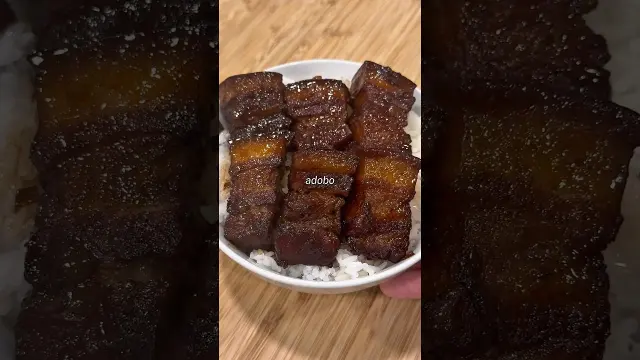
 Tender Pork Belly Adobo Simmered in Soy and Vinegar
#Pork Recipe
14 ideas
Tender Pork Belly Adobo Simmered in Soy and Vinegar
 Farmhouse pork and apple pie, a comforting baked main dish
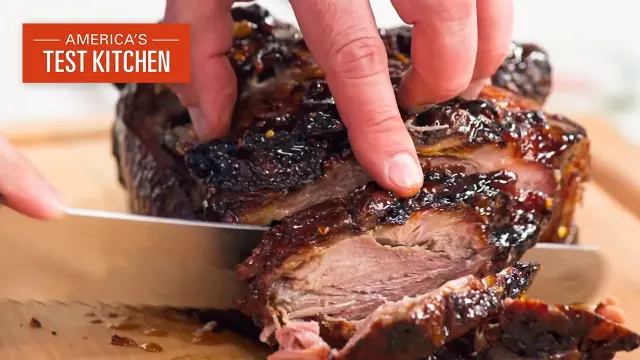 America's Test Kitchen Honey-Glazed Pork Shoulder Roast
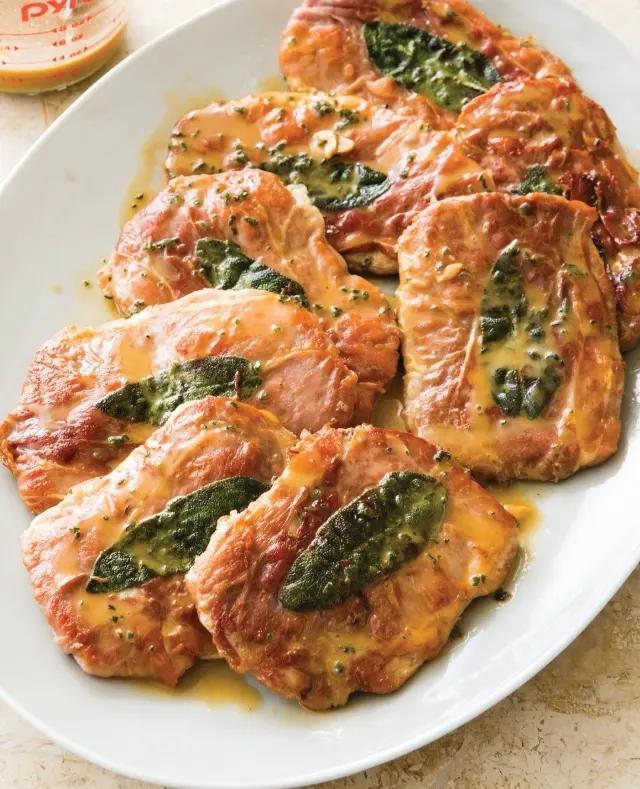 Pork saltimbocca with a quick lemon, wine and sage pan sauce
 Char Siu: Cantonese BBQ Pork Made in a Home Oven
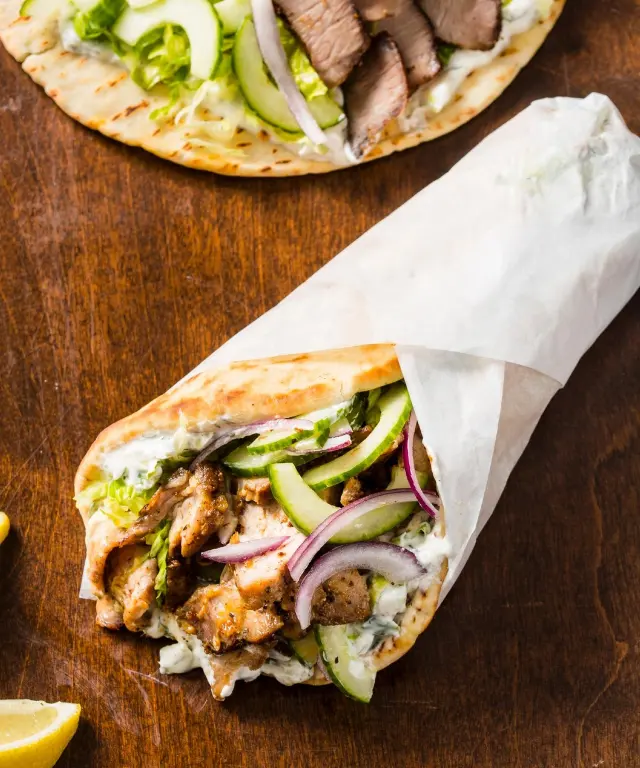 Three-step Greek pork gyro made without a rotisserie spit
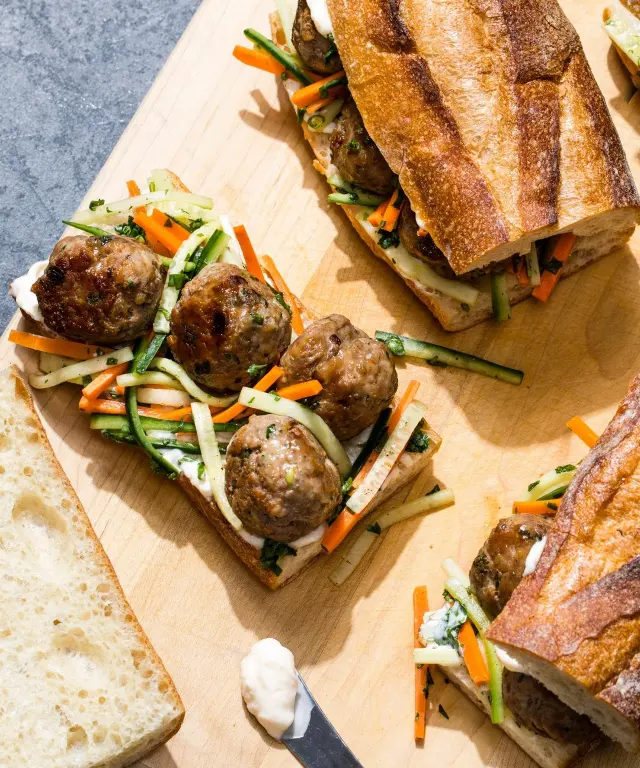 Weeknight pork meatball banh mi with pickled vegetables
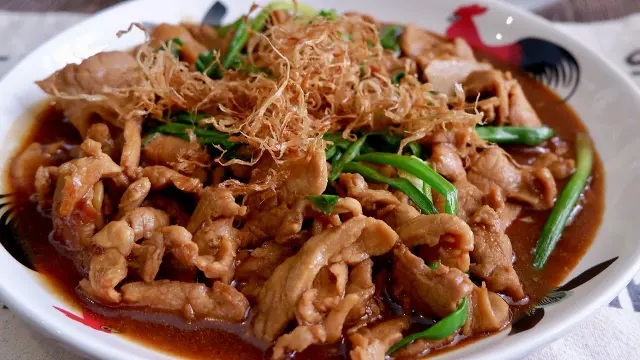 Stir-Fried Ginger and Spring Onion Pork, Remade
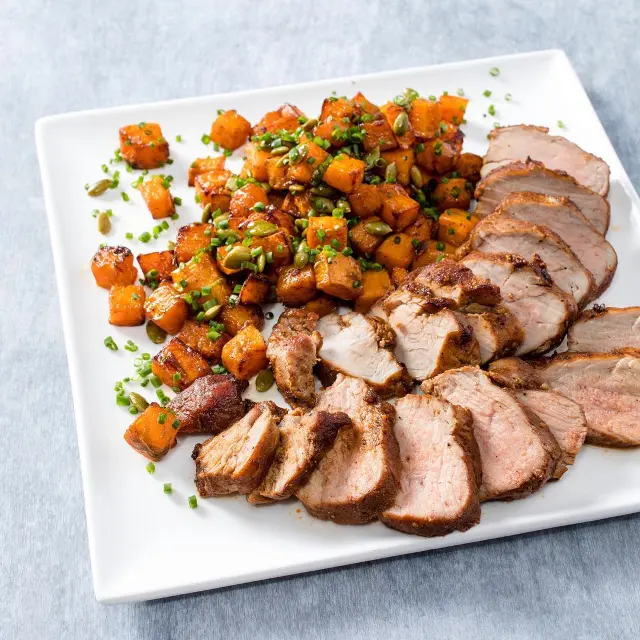 Air fryer sweet and smoky pork tenderloin with butternut squash
 Five Weeknight Pork Tenderloin Dinners Without Roasting
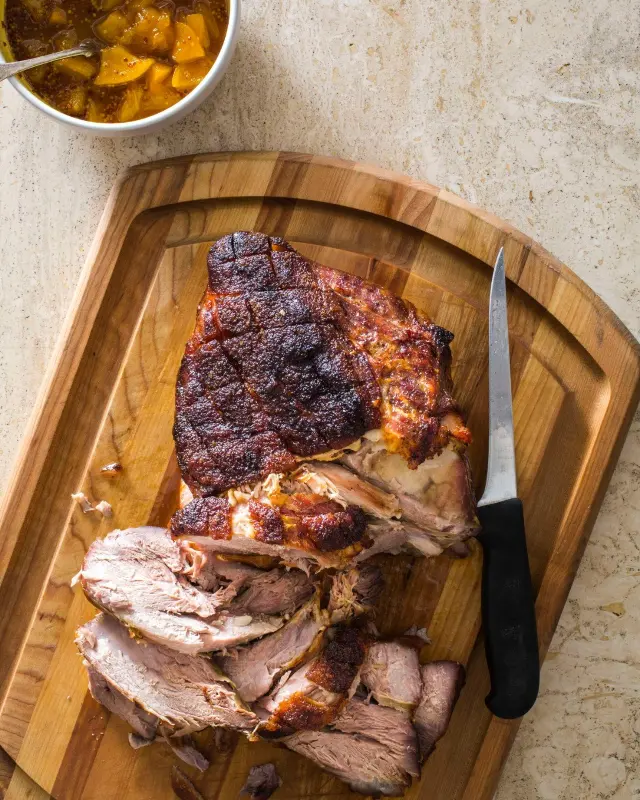 Cast-iron roasted pork shoulder with a peach sauce
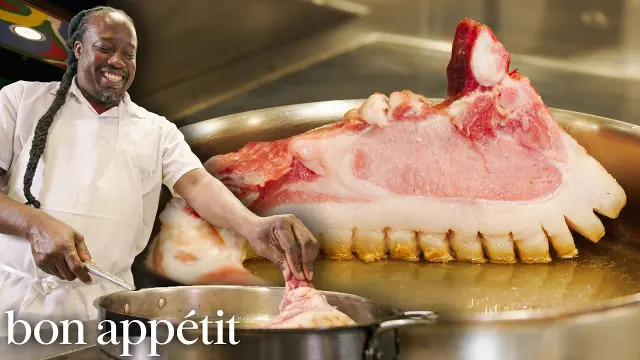 How a New York Chef Builds a Puerto Rican Pork Chop
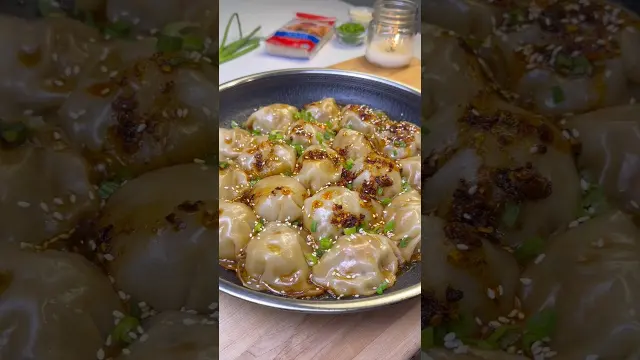 Quick Homemade Pork and Chive Blanket Dumplings
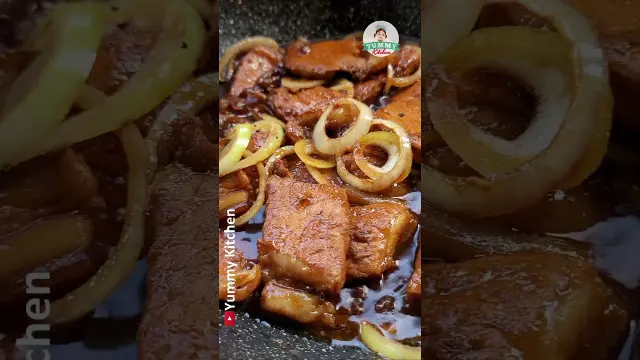 Juicy Pork Steak Recipe
Get new #Pork Recipe ideas by email
Every Thursday: the week's best ideas, with the newest from #Pork Recipe.
Related tags
Pork Recipe: Cuts, Cooking Methods and Ideas
Pork is one of the most versatile and widely enjoyed meats in global cuisine, prized for its ability to adapt to a vast array of flavours, spices, and cooking techniques. From the rich culinary traditions of East Asia to the slow-smoked barbecue heritage of the American South, pork features in countless traditional dishes, comfort foods, and everyday meals. Understanding the different cuts and how to prepare them is the key to unlocking the full potential of this ingredient, ensuring tender, juicy, and flavourful results every time.
Popular Cuts of Pork
Different parts of the animal offer distinct textures and fat distributions, making them suited for specific cooking methods.
- Loin cuts, including chops and tenderloins, are lean and tender, making them ideal for quick cooking methods like pan-searing, grilling, or roasting.
- Shoulder and butt cuts contain a higher proportion of fat and connective tissue, which breaks down during slow cooking, making them perfect for braising, stews, and pulled pork.
- Belly is valued for its rich layers of meat and fat, commonly roasted until crisp or cured to make bacon.
- Ribs, whether spare ribs or baby back ribs, are traditionally slow-cooked, smoked, or baked until the meat falls off the bone.
Essential Cooking Techniques
Because pork ranges from very lean cuts to rich, marbled ones, matching the cut to the right technique is essential. Lean cuts benefit from high, fast heat and should be cooked just until done to prevent dryness. Historically, pork was cooked until well-done, but modern culinary standards allow for lean cuts like loin and chops to be served slightly pink in the center, provided they reach a safe internal temperature. Conversely, tougher cuts with more collagen require low and slow heat over several hours, allowing the connective tissue to melt and create a succulent texture.
Flavour Pairings and Seasoning
Pork has a naturally savoury and mild flavour profile that acts as a blank canvas for both sweet and savoury ingredients. Fruit pairings are a classic choice, with apples, pears, plums, and stone fruits adding acidity and sweetness that cuts through the richness of the meat. Herbs like sage, rosemary, thyme, and oregano complement pork wonderfully, while spices such as garlic, ginger, star anise, and cumin connect it to various international cuisines. Marinades, dry rubs, and glazes containing soy sauce, mustard, honey, or vinegar also help tenderise the meat and build a complex crust during cooking.
Read more
Tips for Beginners
When starting out with pork, purchase cuts that are uniformly thick to ensure even cooking. Always let the meat rest for a few minutes after cooking before slicing; this allows the juices to redistribute throughout the cut, resulting in a much more tender and moist dish. Keep your kitchen tools clean, store raw meat safely in the refrigerator, and enjoy exploring the endless possibilities this ingredient brings to your table.
#Pork Recipe: frequently asked questions
How do I choose the right cut of pork for the dish I want to make?
Start by deciding how you plan to cook, then pick the cut that suits that method. Lean pieces like chops and tenderloin are best for fast, high-heat cooking such as searing or grilling, while fattier shoulder and belly reward long, gentle cooking that renders them tender and rich. Ribs sit in the slow-cook camp too, whether you bake, smoke or braise them.
Do I need special equipment to cook pork at home?
Not at all — a heavy pan, a roasting tin and a sharp knife cover most recipes. A meat thermometer is genuinely useful if you want confidence when cooking thicker cuts, but it isn't essential. For slow-cooked dishes, a sturdy pot with a lid does the job just as well as anything fancier.
How do I stop lean pork from turning out dry?
Lean cuts have little fat to keep them moist, so treat them gently: use fairly high heat and a short cooking time rather than a long, low simmer. Take the meat off the heat while it still looks slightly yielding rather than fully firm, then let it sit for a few minutes before slicing — the juices settle back through the meat and it ends up noticeably more tender.
What flavours work well with pork?
Pork's mild, savoury character means it takes happily to both sweet and savoury partners. Fruit such as apples, pears and plums adds a tartness that balances richness, while woody herbs like sage, rosemary and thyme feel made for it. If you want to lean into other cuisines, garlic, ginger, star anise and cumin all work beautifully, and a glaze or rub with mustard, honey or soy gives the outside a caramelised crust.
What mistakes do beginners usually make with pork?
The most common one is buying uneven pieces, which cook at different rates and leave some parts dry before others are ready — look for cuts of consistent thickness. Another is slicing immediately after cooking instead of waiting a few minutes for the juices to settle. Finally, don't rush a shoulder or belly dish; these cuts need unhurried heat for the connective tissue to soften properly.
What are some good ideas for a pork dish to serve at a gathering?
Slow-cooked shoulder that you pull apart and pile onto a platter is forgiving for a crowd, since it can sit happily while everything else gets finished. Dumplings filled with pork and chives are a lovely option too if you'd rather have something hands-on that guests can help assemble. For something simpler, a roasted joint with fruit and herbs looks generous with very little last-minute work.
Videos come from YouTube and posts from Instagram; titles and summaries are our own. All rights belong to their creators.