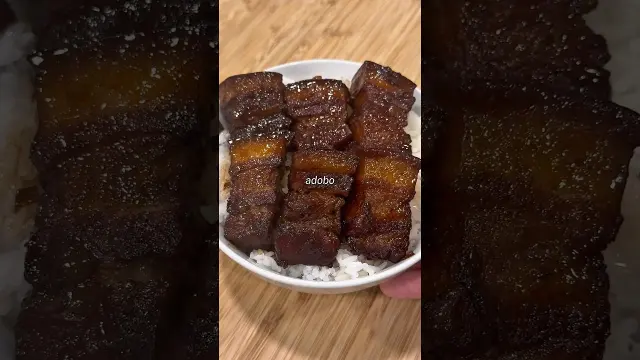
 Tender Pork Belly Adobo Simmered in Soy and Vinegar
#Soy and Vinegar
1 ideas
Tender Pork Belly Adobo Simmered in Soy and Vinegar
Get new #Soy and Vinegar ideas by email
Every Thursday: the week's best ideas, with the newest from #Soy and Vinegar.
Related tags
Soy and Vinegar: A Pairing That Seasons and Preserves
Soy sauce and vinegar are two of the oldest things in the pantry, and together they do something neither manages alone. One is salty, deep and savoury; the other is sharp, bright and sour. Put them in the same pan and the sharpness cuts through the salt, the salt rounds off the acid, and what comes out tastes fuller than the sum of its parts. It is one of the great everyday partnerships of home cooking, found in some form in kitchens from East and Southeast Asia to Latin America and beyond.
What each one brings
Soy sauce is made by fermenting soybeans — often with wheat — with salt and a starter culture, then pressing the matured mash into liquid. The result is dark, salty and rich in the savoury quality cooks call umami. Styles vary widely: light and thin, dark and thick, sweetened, or brewed with nothing but soybeans. Vinegar is made by fermenting a sugar or starch source into alcohol and then into acid, which is why it can come from rice, cane, coconut, grapes, apples or grain, each with its own character.
Where the pairing shows up
Read more
The most famous example is the braise: meat, soy sauce, vinegar, garlic and pepper simmered slowly until the liquid reduces and clings. The vinegar does more than flavour here — an acidic, salty cooking liquid is an old and reliable way to keep food from spoiling too quickly in warm climates, which is part of why the combination appears again and again in tropical cuisines. The same logic gives you dipping sauces, marinades for grilled meat and fish, dressings for cold vegetables, and quick pickles where soy sauce is added to the vinegar rather than the other way round.
What to know before you start
- Taste as you go. Soy sauces differ enormously in saltiness, so a recipe's quantity is only a starting point.
- Add vinegar early if you want it to mellow into the dish, and late if you want it to stay bright and sharp.
- Acid slows browning, so if you are searing meat first, do it before the vinegar goes in.
- A long simmer softens harshness and leaves a rounder sourness; a quick splash at the end keeps things lively.
- Balance with a little sweetness — sugar, palm sugar, honey, fruit juice — and the two strong flavours settle into each other.
- Use a non-reactive pot or pan for anything with a lot of vinegar in it, and keep the lid ajar if you want the sauce to reduce.
Starting out
If you are new to cooking with the pair, begin simply: a few spoonfuls of soy sauce, half as much vinegar, crushed garlic, cracked pepper and a pinch of sugar, simmered with chicken or pork until the liquid thickens. Learn how that tastes, then adjust. From there you can swap vinegars, add ginger or chilli, or turn the same mixture into a marinade or a dipping sauce. The proportions are yours to shape; the partnership does most of the work.
Videos come from YouTube and posts from Instagram; titles and summaries are our own. All rights belong to their creators.