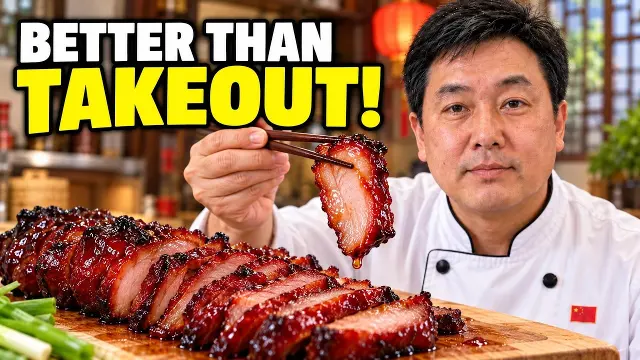
 Char Siu: Cantonese BBQ Pork Made in a Home Oven
#Cantonese Food
1 ideas
Char Siu: Cantonese BBQ Pork Made in a Home Oven
Get new #Cantonese Food ideas by email
Every Thursday: the week's best ideas, with the newest from #Cantonese Food.
Related tags
Cantonese Food: A Guide to the Flavours of Guangdong
Cantonese food is the cooking of Guangdong province in southern China and of the people who carried it around the world. Of the many regional traditions in Chinese cuisine, it is perhaps the one most familiar beyond China's borders, largely because generations of Cantonese cooks settled in Hong Kong, Southeast Asia, Europe and the Americas and opened restaurants there. If you have eaten dim sum or a plate of sweet-and-sour pork, you have already met it.
What makes it different
The guiding idea is restraint. Cantonese cooks are known for letting the ingredient speak: seafood is steamed with ginger and scallion, vegetables are stir-fried briefly so they keep their snap, and sauces are there to support rather than cover. Steaming, quick boiling, shallow frying and wok stir-frying all suit this approach. Where other Chinese kitchens lean on chilli, Sichuan pepper, vinegar or heavy braising, this one leans on freshness, a little sugar, light soy, oyster sauce and sesame oil.
The phrase "sweet and sour" belongs here too, but the restaurant version with its bright orange sauce is a distant cousin of the home cooking. In Guangdong the sourness often comes from plums or vinegar used sparingly, with the sweetness kept in check.
Read more
Dishes worth knowing
Dim sum is the most sociable introduction: small steamed and fried items — dumplings, buns, rice rolls, spring rolls — eaten with tea, traditionally in the morning and early afternoon. Steamed fish, white-cut chicken served cool with ginger-scallion oil, roast meats such as char siu pork and crisp-skinned pork belly, claypot rice, congee for breakfast and simple stir-fried greens are all everyday food, not special-occasion cooking.
Rice is the anchor. Noodles appear too, especially at birthdays and New Year, but rice is what the meal is measured against. Soup often opens the meal, simmered for hours and served clear rather than thick.
If you are starting out
Build a small pantry first: light soy sauce, dark soy sauce, oyster sauce, sesame oil, Shaoxing-style rice wine, cornflour, ginger, garlic and spring onion. These cover most basic recipes.
A few habits help. Prepare everything before the wok goes on the heat, because cooking is fast. Dry your ingredients well — wet food steams instead of browning. Heat the wok until it is genuinely hot, and cook in small batches rather than crowding the pan. Taste as you go; soy sauces vary a lot in saltiness, so season gradually.
Steaming is the technique most worth learning, since it is forgiving and shows off the cooking at its best. A bamboo steamer over a wok, or any lidded pan with a rack, is enough.
Above all, cook it to eat straight away. Cantonese food is built around the moment the dish leaves the heat, and that freshness is the whole point.
Videos come from YouTube and posts from Instagram; titles and summaries are our own. All rights belong to their creators.