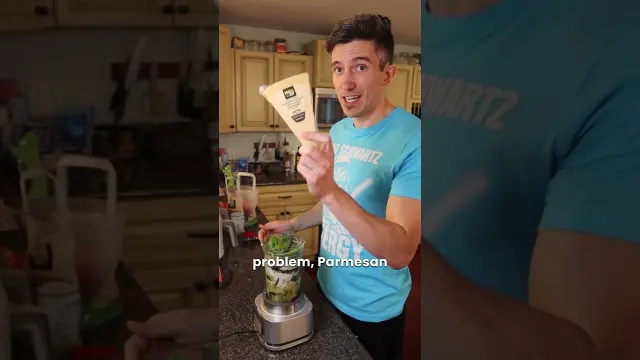
 Blended Spinach and Zucchini Pasta Sauce With Basil
#Pasta Sauce
3 ideas
Blended Spinach and Zucchini Pasta Sauce With Basil
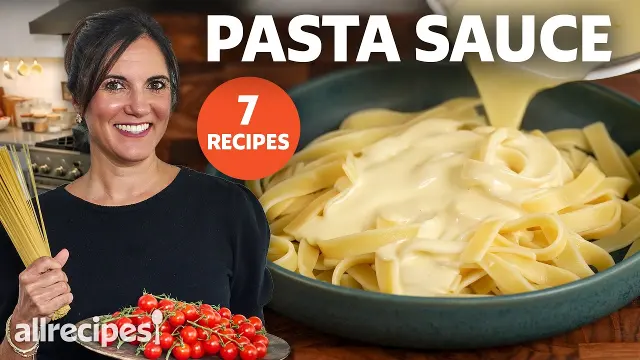 Seven Essential Pasta Sauces Every Home Cook Should Know
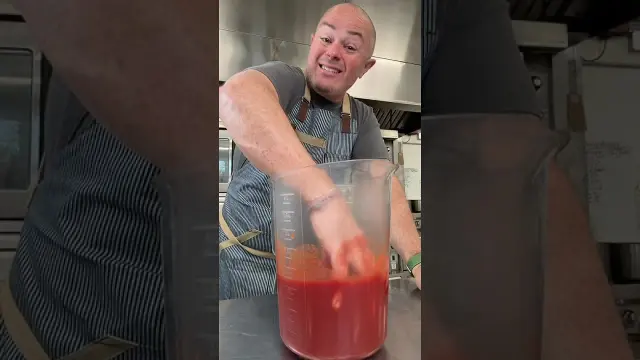 Culinary School Marinara With Onion, Garlic and Basil
Get new #Pasta Sauce ideas by email
Every Thursday: the week's best ideas, with the newest from #Pasta Sauce.
Related tags
Pasta Sauce: A Guide to the Classic Italian Basics
Pasta sauce is the seasoned liquid or semi-liquid preparation that coats and flavours pasta, and it is one of the simplest ideas in cooking and one of the most varied. At its heart is a principle rather than a recipe: something savoury, cooked to the right consistency, that clings to the pasta instead of pooling at the bottom of the bowl.
From the pantry to the plate
Italy's sauce tradition grew out of ordinary household cooking, built on what a region could grow or preserve. Tomatoes, which reached Europe from the Americas, only became central to Italian cooking centuries later, once they were accepted as food rather than curiosity. Before that, sauces were built on olive oil, garlic, herbs, cured pork, cheese, and vegetables. Pasta itself was long a fresh, soft dough; dried pasta made it a pantry staple that a sauce could be assembled around quickly.
Regional character still shapes the sauces you meet today. The south leans on tomatoes, olive oil, garlic, chilli and anchovies. Central Italy contributes cured pork, pecorino and eggs. The north turns to butter, cream, cheese and meat.
Read more
The main families of sauce
Tomato sauces range from a plain marinara of tomatoes, garlic and basil to arrabbiata with chilli, and puttanesca with olives, capers and anchovy. Slow-cooked meat sauces, such as ragù, simmer for a long time so the flavours deepen.
Cheese and egg sauces are made by emulsifying fat with starchy pasta water. Some use eggs, as carbonara does; others rely on nothing but grated cheese, as cacio e pepe does, or on butter and cheese in the rich dressings of the north. All of them are the least forgiving, because the heat must be gentle or the sauce splits.
Herb and nut sauces are uncooked, crushed or pounded rather than simmered. Pesto is the best known, but the pattern of herbs, nuts, garlic, cheese and oil applies widely.
Vegetable sauces, whether roasted, blended or simply sautéed in olive oil, are the most open to improvisation, and they are where home cooks tend to find their own style.
What beginners should know
The pasta water matters. Starchy, salty cooking water loosens a thick sauce and helps fat and cheese combine into something smooth. Keep a mugful before you drain.
Finish the pasta in the pan. A minute or two of tossing sauce and pasta together over low heat lets the surface absorb flavour; sauce poured on top of a drained mound stays separate.
Match sauce to shape. Chunky sauces suit ridged, hollow or twisted shapes that trap them; smooth, thin sauces cling better to long strands. This is a matter of texture, not rule-keeping.
Season with restraint and taste as you go. Cured pork, anchovies and aged cheese are already salty, so add salt late.
Finally, remember that a good sauce is usually a short one. Few ingredients, cooked with attention, will beat a long list handled carelessly — and the practice is what makes it yours.
#Pasta Sauce: frequently asked questions
How do I make a good pasta sauce if I’m just starting out?
Start with a few ingredients and focus on building flavour slowly. A simple sauce works best when it is seasoned thoughtfully, cooked until it coats the pasta well, and finished with the pasta in the pan so everything comes together.
What do I need to make pasta sauce at home?
A solid sauce usually needs some kind of fat, an aromatic base like garlic or onion, and ingredients that bring body and flavour, such as tomatoes, herbs, cheese, vegetables, or meat. Having a little pasta cooking water on hand is also very helpful because it can loosen and smooth the sauce.
Which kind of pasta sauce should I choose for my pasta shape?
Chunky sauces work well with ridged, hollow, or twisted pasta because they can catch pieces of the sauce. Smooth or lighter sauces usually cling better to long strands, so matching texture to shape gives the best result.
How do I keep a cheese or egg pasta sauce from splitting?
Use gentle heat and add the sauce carefully so the eggs or cheese do not cook too fast. Pasta water helps bring everything together into a smooth emulsion, so stir it in little by little if the sauce feels too thick.
What are some easy pasta sauce ideas for a casual dinner?
A tomato sauce with garlic and basil is always a reliable choice, and a blended vegetable sauce can be a lighter option with a fresh taste. If you want something richer, an herb-and-oil sauce or a simple cheese-based sauce can feel special without being complicated.
What common mistakes should I avoid when making pasta sauce?
One common mistake is pouring sauce over drained pasta instead of tossing it together in the pan, which makes the sauce sit separately. Another is over-salting too early, especially when the sauce already includes salty ingredients like cured meat, anchovies, or aged cheese.
Videos come from YouTube and posts from Instagram; titles and summaries are our own. All rights belong to their creators.