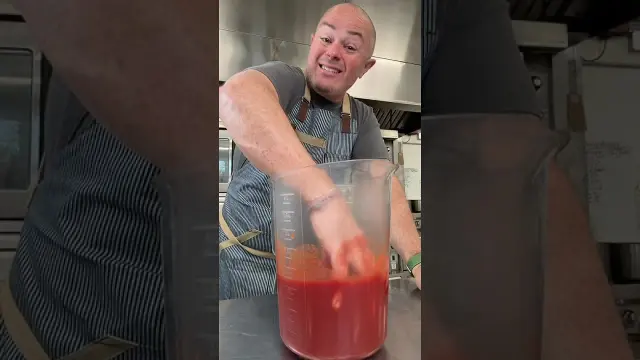
 Culinary School Marinara With Onion, Garlic and Basil
#Marinara
1 ideas
Culinary School Marinara With Onion, Garlic and Basil
Get new #Marinara ideas by email
Every Thursday: the week's best ideas, with the newest from #Marinara.
Related tags
Marinara Sauce: A Simple Guide to the Classic Tomato Sauce
Marinara is a tomato-based sauce built on a few humble ingredients: tomatoes, olive oil, garlic, and often onion, basil, or oregano. It is one of the foundational sauces of Italian home cooking, prized not for richness but for immediacy. Where a slow-simmered ragù depends on meat and hours, marinara is quick, bright, and deliberately plain.
Where it comes from
The name is often said to derive from *marinaro*, the Italian word for sailor, though the explanations behind it differ and are best treated as folklore rather than fact. Tomatoes themselves arrived in Europe from the Americas and were regarded with suspicion for a long time before becoming central to southern Italian cooking. Marinara as it is known today belongs to that tradition: a sauce of the sea towns, made from what was on hand and cooked fast.
What defines it
Read more
The core of a marinara is tomato, and the quality of the tomato matters more than any technique. Cooked briefly, the sauce keeps a fresh, slightly acidic character; simmered longer, it deepens and sweetens. Garlic is usually sliced or lightly crushed and cooked gently in olive oil so it turns fragrant without browning, which would make it bitter. Onion, when used, is softened first for sweetness. Basil is frequently added at the end rather than the start, so its aroma survives the heat. Oregano, a pinch of chilli, or a little salt are common; sugar is sometimes used to soften sharpness, though a well-flavoured tomato rarely needs it.
Styles and uses
Marinara is thinner and more rustic than a long-cooked tomato sauce, and it is used in several ways. Tossed with spaghetti or penne, it is a sauce in its own right. Spread on pizza, it forms the base layer beneath the toppings. Spooned over meatballs, chicken, or vegetables, it becomes a companion rather than a main. It also serves as a starting point: add olives and capers for a puttanesca-style sauce, cream for a rosé, or seafood for a quick fish sauce.
What beginners should know
Use a wide pan rather than a deep pot; the larger surface lets the sauce reduce evenly and keeps it from turning stewed and dull. Do not overcrowd the pan or cook it at a hard boil. Stir occasionally, and taste as you go — seasoning at the end is easier to correct than at the start. If the sauce tastes flat, a little more salt or a drizzle of raw olive oil often fixes it better than sugar.
Marinara keeps well in the refrigerator for several days and freezes cleanly, which makes it a sensible thing to cook in a larger batch. Above all, it rewards restraint: the point of the sauce is to taste of tomato, so the fewer things competing for attention, the better it tends to be.
#Marinara: frequently asked questions
How do I make marinara sauce for the first time?
Start with good tomatoes, olive oil and garlic, and cook the garlic gently so it turns fragrant without browning. Use a wide pan instead of a deep pot so the sauce reduces evenly, and keep the heat moderate rather than at a hard boil. Taste as you go and season at the end, since correcting at that point is easier than at the start.
Which kind of tomatoes should I choose for marinara?
Tomato quality matters more than technique here, so choose ripe, well-flavoured fruit, fresh or tinned, rather than whatever is cheapest. A fleshy plum-style tomato gives a thicker, sweeter result, while a very watery one will need longer cooking and may taste thin. If the tomato is good, you rarely need sugar to soften sharpness.
What should I add to marinara, and when?
Olive oil, garlic and tomato form the base, with onion softened first if you want extra sweetness. Add basil near the end rather than at the beginning so its aroma survives the heat, and keep oregano or a pinch of chilli modest. Restraint is the point: the fewer flavours competing with the tomato, the better the sauce tends to be.
Why does my marinara taste flat or bitter?
Bitterness usually comes from garlic that browned in the pan, so cook it gently and start over if it darkens. Flatness is often a seasoning problem rather than a tomato problem, and a little more salt or a drizzle of raw olive oil at the end fixes it better than sugar does. Overcrowding the pan also dulls the flavour by stewing the sauce instead of letting it reduce.
What can I use marinara for besides pasta?
Spread it thinly on pizza as the base beneath the toppings, or spoon it over meatballs, chicken or roasted vegetables as a companion rather than a main dish. It also works as a starting point for other sauces: olives and capers take it in one direction, a little cream in another, seafood in a third. Because it is quick and plain, it adapts easily without much extra work.
How do I store leftover marinara?
Keep it covered in the refrigerator, where it holds well for a few days, and reheat gently rather than boiling it hard. It also freezes cleanly, so cooking a larger batch is a sensible habit for later meals. Let it cool before storing so it does not trap steam and turn watery.
Videos come from YouTube and posts from Instagram; titles and summaries are our own. All rights belong to their creators.