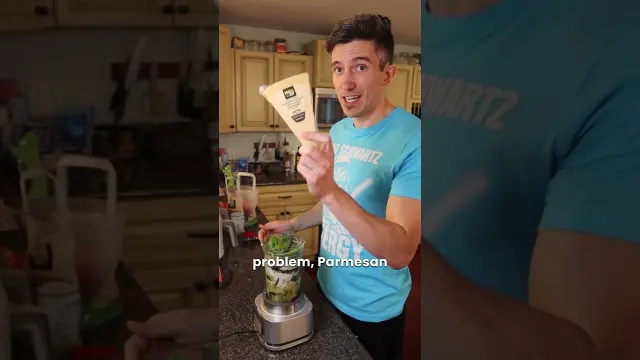
 Blended Spinach and Zucchini Pasta Sauce With Basil
#Vegetable Sauce
1 ideas
Blended Spinach and Zucchini Pasta Sauce With Basil
Get new #Vegetable Sauce ideas by email
Every Thursday: the week's best ideas, with the newest from #Vegetable Sauce.
Related tags
Vegetable Sauce: A Guide to Cooking With Vegetables
A vegetable sauce is exactly what the name suggests: a sauce in which vegetables, rather than meat, cream or dairy, do most of the work. The vegetables may be cooked down slowly until they collapse into something silky, blended smooth, or left chunky so their texture still shows through. They can be roasted, simmered, grilled or raw. What they share is a role — they carry the flavour and body of the sauce, and everything else (stock, oil, herbs, a little acidity) supports them.
Where it comes from
Cooking vegetables into sauces is older than any written recipe. Long before refrigeration, kitchens preserved the summer harvest by cooking tomatoes, peppers, onions and aubergines into concentrated sauces that would keep and could be spooned over whatever was on hand. Many of the sauces we now think of as classic are built on that habit. Italian tomato sauces, French vegetable-based stews, Mediterranean pepper and aubergine preparations, and the many slow-cooked onion and pumpkin sauces of Eastern Europe all grew from the same practical idea: turn a glut of vegetables into something that lasts and feeds people well.
The main kinds
Read more
- Blended sauces: cooked vegetables puréed until smooth, often with a little liquid or oil to loosen them. Think tomato, spinach, courgette or roasted pepper.
- Chunky sauces: vegetables diced and simmered so they keep their shape, closer to a ragù in texture.
- Roasted sauces: vegetables charred in the oven first, then blended or crushed, which brings out sweetness and depth.
- Raw sauces: grated or blended uncooked vegetables, common with tomato, cucumber or herbs, and best eaten fresh.
- Emulsified vegetable sauces: cooked vegetables worked with oil into a thick, spoonable consistency.
What beginners should know
The single most useful habit is to cook the vegetables long enough. Undercooked onion tastes sharp and raw; given time it turns sweet and soft and gives the sauce its base. If you are blending a hot sauce, keep the lid vented and add liquid gradually — a sauce that seems too thin will thicken as it cools.
Season in layers rather than all at once, and taste as you go. A squeeze of lemon or a splash of vinegar at the end often does more for a vegetable sauce than extra salt, because it lifts flavours that can otherwise taste flat.
Practical tips
- Roast vegetables with a little oil and salt before blending for a deeper flavour.
- Keep a cup of cooking water or stock nearby; it loosens a thick sauce without diluting it much.
- Add herbs late, especially soft ones like basil or parsley.
- Vegetable sauces generally freeze well. Cool them quickly, store in portions, and reheat gently.
- Use what is in season and abundant — vegetable sauces are forgiving, and a sauce built on vegetables at their best needs very little else.
Start with one vegetable you like and learn how it behaves in a pan. That small confidence is how most good sauces begin.
#Vegetable Sauce: frequently asked questions
How do I start making a vegetable sauce if I've never made one before?
Pick one vegetable you already enjoy and cook it slowly in a pan so you can see how it softens, sweetens and changes texture. Build the sauce around that single vegetable first, adding stock, oil, herbs or a little acidity only once you know how it tastes on its own. That small bit of confidence is the foundation most good vegetable sauces grow from.
What do I need on hand to make a vegetable sauce?
Beyond the vegetables themselves, you mainly need a fat such as oil, something to loosen the sauce like stock or the water the vegetables cooked in, and seasoning. Herbs and a squeeze of lemon or splash of vinegar are worth having because they lift flavours that can otherwise taste flat. A pan with a lid and a blender or masher covers most styles of sauce.
Which kind of vegetable sauce should I choose?
It depends on what you want the sauce to do: blended sauces give you something smooth to coat pasta or spoon over grains, chunky ones keep texture and behave more like a ragù, and raw sauces are best when you want freshness and plan to eat them straight away. Roasting the vegetables first is the easiest way to add sweetness and depth if you have the time. Emulsifying cooked vegetables with oil gives you a thick, spoonable result somewhere between the others.
How should I store and reheat a vegetable sauce?
Vegetable sauces generally freeze well, so cool them quickly after cooking and store them in portions rather than one large container. Reheat gently so the sauce doesn't catch or dry out, loosening it with a splash of stock or water if it has thickened in storage. Soft herbs are better added when you serve rather than before freezing.
What are the most common mistakes people make with vegetable sauces?
The biggest one is not cooking the vegetables long enough, which leaves onion sharp and raw instead of sweet and soft. Another is seasoning everything at once instead of in layers while tasting as you go, and forgetting that a sauce which looks thin while hot will thicken as it cools. Adding soft herbs too early, or blending a thick sauce without loosening it gradually, also costs you flavour and texture.
Do you have an idea for a vegetable sauce to serve at a gathering?
A blended spinach and zucchini sauce with basil is a good choice because it looks vibrant, tastes fresh and comes together from vegetables rather than dairy. Roasting or cooking the vegetables down first gives it depth, and blending with a little cooking water keeps it silky without making it thin. Finish it with basil at the end so the herb stays bright.
Videos come from YouTube and posts from Instagram; titles and summaries are our own. All rights belong to their creators.