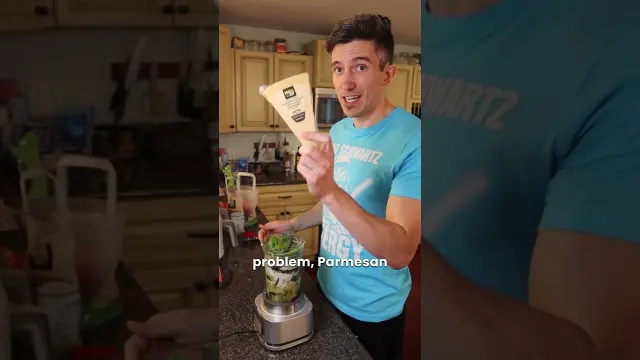
 Blended Spinach and Zucchini Pasta Sauce With Basil
#Blender Sauce
2 ideas
Blended Spinach and Zucchini Pasta Sauce With Basil
 Blender Green Sauce with Herbs, Jalapeño and Lime
Get new #Blender Sauce ideas by email
Every Thursday: the week's best ideas, with the newest from #Blender Sauce.
Related tags
Blender Sauce: A Simple Guide to Blended Sauces
A blender sauce is exactly what the name suggests: a sauce built in the blender jar rather than on the stove. You load the ingredients, press a button, and a few seconds later you have something pourable — bright green, deep red or pale and creamy — ready to spoon over pasta, grains, vegetables, grilled food or salad. It is one of the quickest routes from raw ingredients to something that tastes finished, which is why it turns up in so many kitchens, from busy weeknights to long summer lunches.
Where it comes from
Blended sauces are not one tradition but many arriving at the same technique. Pesto, made by pounding basil with oil, nuts and cheese, is the ancestor most cooks know; a blender simply gets you there faster. Mexican salsas, Middle Eastern tahini and herb sauces, Indian chutneys, Italian raw tomato sauces and French oil-and-vinegar emulsions all follow the same logic: fat, acid, salt and something aromatic, brought together until they hold.
The main kinds
Read more
Herb and green sauces are the most popular. Herbs, oil, garlic, lemon and often a little nut or seed are blended to a loose purée — spinach, parsley, coriander, basil or rocket each give a different character, and a jalapeño or a spoonful of yoghurt changes the whole thing.
Nut and dairy sauces use soaked cashews, almonds, sesame paste or yoghurt to create body, giving a creamy texture without cooking. Tomato sauces rely on ripe fruit blended raw with olive oil, garlic and salt, or cooked first and blended smooth. Emulsified dressings depend on oil being added slowly so it suspends in vinegar or citrus instead of separating.
What beginners should know
Order matters more than power. Put soft and liquid ingredients in first, near the blades, and harder items on top. For emulsions, add oil in a thin stream while the machine runs, or whisk it in by hand afterwards.
Herbs are delicate. Blend them briefly and pulse rather than run the machine for a minute, because friction warms the jar and dulls the colour and flavour. Chilling the jar, using cold water, or briefly blanching greens first all help a green sauce stay vivid.
Taste before you serve, and adjust in this order: salt, then acid — lemon or vinegar — then fat, then a little sweetness if it needs rounding. Seasoning a sauce that is too thick is pointless; loosen it with water first, then taste again.
Practical tips
Blend in batches sized to your jar; a small jar gives better results for small quantities. Never fill past the maximum line, and with hot mixtures fill only halfway and vent the lid. Scrape down the sides so nothing stays coarse.
Most blended sauces keep a few days in a sealed container in the fridge, and many freeze well in portions. A squeeze of lemon stirred in before storing helps them hold their flavour.
#Blender Sauce: frequently asked questions
What exactly is a blender sauce, and how do I make my first one?
It is a sauce you build directly in the blender jar instead of cooking on the hob: you combine ingredients, blitz, and end up with something pourable for pasta, grains, vegetables or salad. Start with a simple herb version so you learn the rhythm of the machine before adding complexity. Load the jar in the right order, blend briefly, then taste and adjust.
What do I need on hand to make one?
A blender that suits the quantity you are making matters more than a powerful motor, since a jar that is too large leaves small amounts sitting under the blades. Beyond that, the building blocks are a fat such as oil, something creamy like nuts, sesame paste or yoghurt if you want body, an acid such as lemon or vinegar, salt, and an aromatic base of herbs, garlic or chilli. Fresh ingredients and a clean jar are really all the equipment demands.
Which kind of blended sauce should I choose?
Pick by the texture and richness you want rather than by recipe name: green herb sauces are loose and sharp, nut or dairy versions are creamy and mild, raw or cooked tomato ones are fruity and savoury, and emulsified dressings are thin and glossy. Think about what it will sit on — a robust grilled dish carries a punchy herb sauce, while delicate vegetables suit something creamier. You can also shift a sauce's character with a single addition, like yoghurt for softness or chilli for heat.
How do I keep a green sauce looking and tasting fresh?
Herbs bruise and warm quickly, so pulse in short bursts instead of letting the machine run, and stop as soon as the mixture comes together. Starting with a cold jar and cold liquid, or briefly blanching leafy greens beforehand, helps hold the colour. Stir a little lemon through before storing to keep the flavour bright.
How should I store leftover sauce?
Keep it in a sealed container in the fridge and use it within a short window, since fresh blended sauces lose their edge as they sit. Many versions freeze well in small portions, which saves you blending a fresh batch each time. Bring refrigerated sauce back to room temperature and taste it again before serving, as chilling mutes seasoning.
What mistakes do beginners make most often?
Overfilling the jar and blending for too long are the two big ones — hot mixtures especially need room to expand and a vented lid. Another common slip is seasoning a sauce that is still too thick; loosen it with a splash of water first, then taste. Finally, skip scraping down the sides and you will be left with coarse flecks in an otherwise smooth sauce.
Videos come from YouTube and posts from Instagram; titles and summaries are our own. All rights belong to their creators.