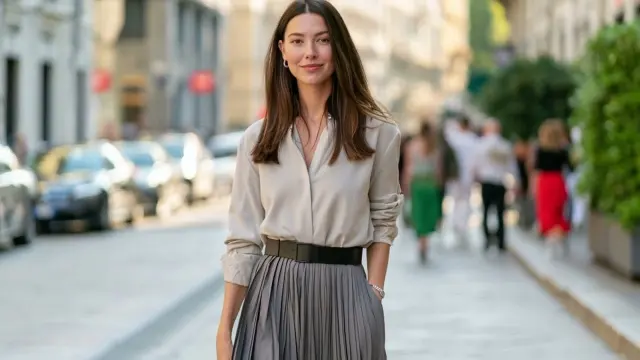
 Discovering Bespoke Italian Tailoring in Milan
#Bespoke
2 ideas
Discovering Bespoke Italian Tailoring in Milan
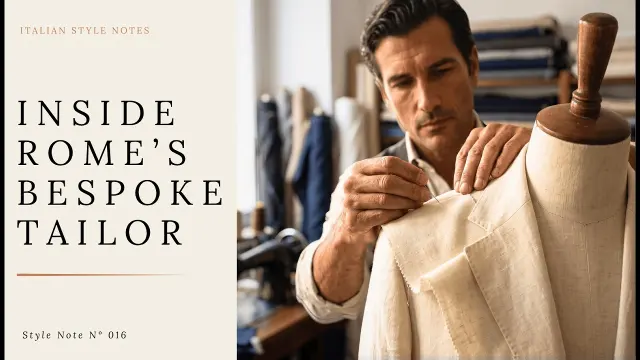 Inside a Private Roman Atelier with Sartoria Ripense
Get new #Bespoke ideas by email
Every Thursday: the week's best ideas, with the newest from #Bespoke.
Related tags
Bespoke Tailoring and Custom-Made Clothing
What bespoke means
Bespoke clothing is made specifically for one person, from the first measurement to the final fitting. Unlike ready-to-wear garments, which are produced in standard sizes, bespoke pieces are designed around your body, posture, and preferences. The result is clothing that often feels more personal, more comfortable, and more refined.
The word itself is commonly associated with tailoring, especially suits, jackets, shirts, and coats, but bespoke can also describe other made-to-order items. At its heart, it means something created for you rather than simply chosen from a rack.
Where it comes from
Read more
Bespoke tailoring has long been linked with traditional tailoring districts and ateliers where garments were cut, sewn, and fitted by hand or by a combination of handwork and skilled machine work. The practice grew from a time when clothing was commonly made individually, before mass production made standard sizing widespread.
Today, bespoke still carries that sense of craftsmanship and attention. It stands apart from factory-made fashion because the process begins with your measurements and ends with a garment shaped to your body.
What bespoke is used for
People choose bespoke clothing for many reasons. Some want a better fit than standard sizes can offer. Others want a particular silhouette, fabric, or level of detail that is difficult to find in off-the-rack clothing. Bespoke is especially valued for important pieces such as formalwear, business clothing, and special occasion garments.
It is also useful if your body is difficult to fit with standard sizing, if you prefer certain proportions, or if you simply want clothing that feels calm, balanced, and personal.
Main kinds and styles
Bespoke can take many forms, depending on the garment and the maker’s approach.
- Classic tailoring: structured suits, blazers, coats, and trousers with clean lines and careful shaping.
- Soft tailoring: less structured pieces that still follow the body closely but feel easier to wear.
- Bespoke shirts: shirts cut to your measurements with details chosen to suit your style.
- Formalwear: evening jackets, dress shirts, and other refined garments made for special occasions.
- Casual custom pieces: trousers, dresses, skirts, and outerwear made to fit your preferences and daily life.
Style choices are usually guided by the wearer’s needs, not just fashion trends. A good bespoke garment should feel timeless and wearable.
How the process usually works
Bespoke clothing typically begins with a consultation. You discuss what you need, how you like clothes to fit, and what fabrics or details appeal to you. Measurements are taken, but the process is about more than numbers. A skilled maker also observes posture, balance, and how you move.
After that, the garment is cut and assembled, then fitted and adjusted as needed. Fittings are important because they allow the maker to refine the shape, length, ease, and drape. The final piece should feel considered from every angle.
What to know as a beginner
If you are new to bespoke, keep a few things in mind:
- Be clear about how you want the garment to feel and be used.
- Wear or bring shoes and underlayers similar to what you plan to use with the finished piece.
- Expect a process, not a quick purchase.
- Choose classic details if you want the garment to last in style.
- Ask questions about fit, construction, and care.
Bespoke is usually most rewarding when you think about it as a collaboration. The more honest you are about your habits and preferences, the better the result is likely to be.
Practical tips
Start with one garment if you are unsure. A well-made jacket, shirt, or pair of trousers can tell you a lot about how you like clothes to fit. Look for comfort as well as structure, and remember that good bespoke clothing should allow room for movement while still looking polished.
Care also matters. Store garments properly, follow cleaning instructions, and give tailored pieces time to rest between wears. With attention and maintenance, bespoke clothing can remain a valued part of your wardrobe for years.
#Bespoke: frequently asked questions
How do I start with bespoke clothing if I've never done it before?
Begin with a consultation where you talk through how you want the garment to feel, when you plan to wear it, and which fabrics or details appeal to you. Bring or wear shoes and underlayers similar to what you'd pair with the finished piece, since they affect length, drape, and balance. Starting with a single garment such as a jacket, shirt, or pair of trousers is the easiest way to learn what you like.
What do I actually need to prepare before a first fitting?
You mainly need a clear idea of the garment's purpose and your own preferences about fit, comfort, and level of structure. Bring the shoes and layers you intend to wear with it, and be honest about how you move and sit during a normal day. The maker observes posture and balance as much as measurements, so dressing the way you normally would helps more than dressing up.
Which kind of bespoke should I choose — structured tailoring or something softer?
Structured tailoring gives clean lines and shaping, which suits formalwear, business dress, and occasions where you want a defined silhouette. Soft tailoring follows the body closely but feels easier to wear, making it a good fit for everyday pieces and for anyone who dislikes stiffness. Let your daily habits and the garment's purpose guide the choice rather than the current trend.
How should I care for a bespoke garment so it lasts?
Store pieces properly on suitable hangers with room to breathe, and follow the cleaning guidance given for the specific fabric rather than washing on instinct. Give garments time to rest between wears and deal with small issues early, before they become repairs. Good care preserves both the shape and the drape that made the piece worth making.
What mistakes do beginners usually make with bespoke?
The most common one is treating it as a quick purchase rather than a process with fittings and adjustments, which leads to frustration when the garment isn't finished immediately. Another is choosing very trend-driven details instead of classic ones, which shortens how long the piece feels right to wear. Being vague about how you want the garment to feel is also a missed opportunity, since the result depends on that collaboration.
Is bespoke worth it if standard sizes mostly fit me?
Bespoke is less about solving a fitting problem and more about getting the silhouette, fabric, and detail you actually want. If standard sizes fit you well, the value comes from proportions and finishes you can't easily find ready-made, and from a garment shaped around how you stand and move. Many people find the difference shows most in formalwear and pieces worn often.
Videos come from YouTube and posts from Instagram; titles and summaries are our own. All rights belong to their creators.