 Dior Fall/Winter 2026 Collection on the Paris Runway
#Womenswear
12 ideas
Dior Fall/Winter 2026 Collection on the Paris Runway
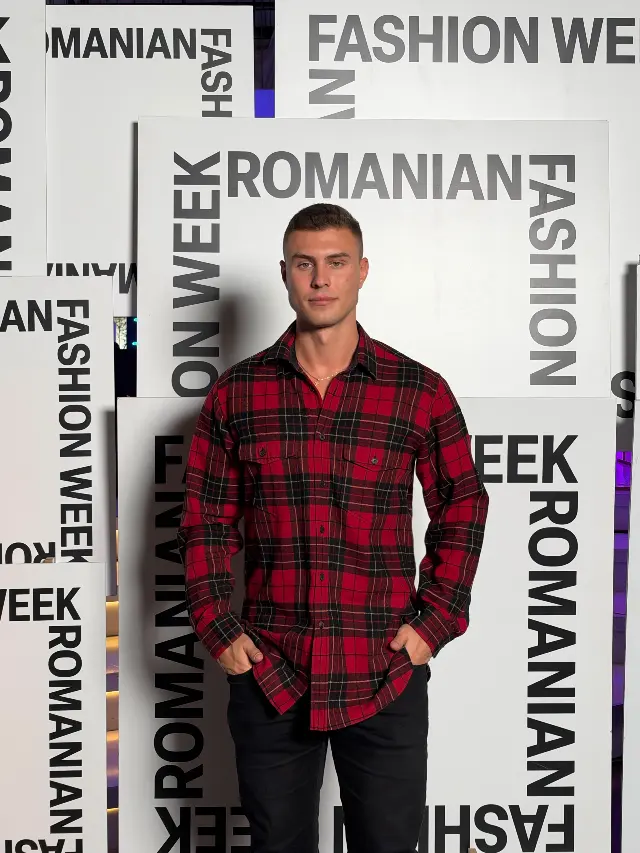 Runway details that stood out at Romanian Creative Week womenswear
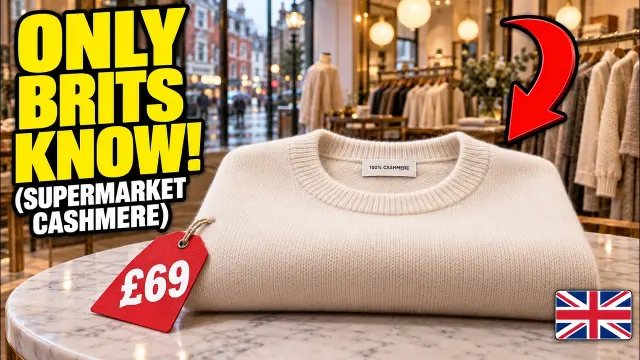 Five Affordable British Womenswear Brands Worth a Closer Look
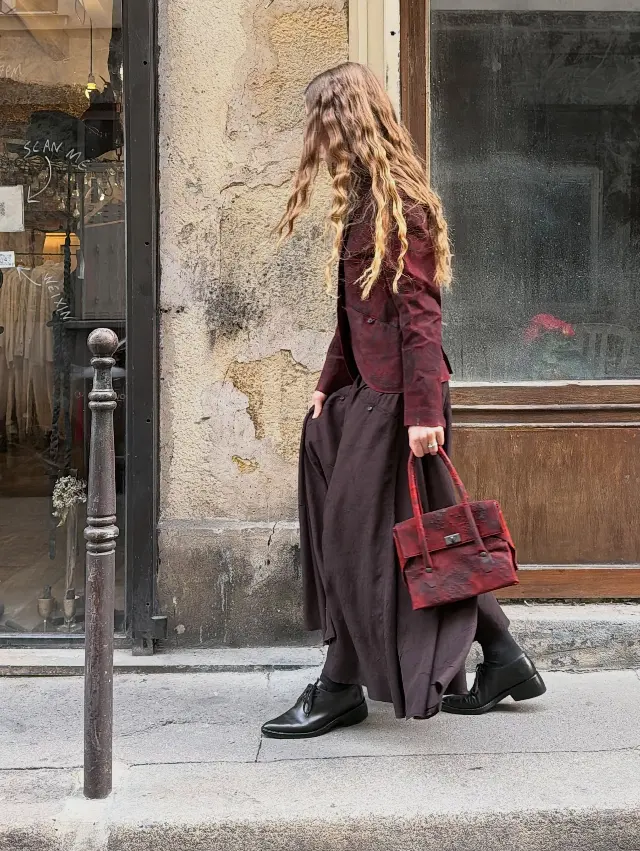 Sandrine Philippe SS27 look with waxed leather jacket and Victorian skirt
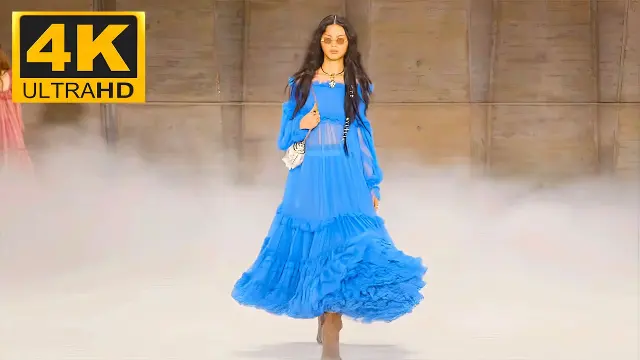 Chloé Fall/Winter 2026 Show at Paris Fashion Week
 What Parisian Women Over Sixty Skip, and What They Wear Instead
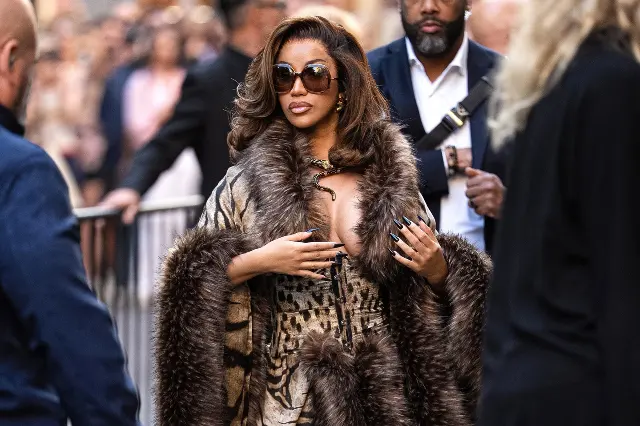 Milan Fashion Week SS27 runway looks and celebrity front-row guests
 Ten Women's Clothing Brands Ranked by Fabric, Seams and Value
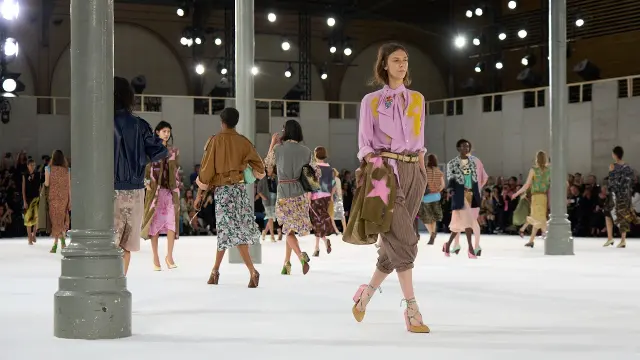 Dries Van Noten Spring Summer 2027 Womenswear Collection
 Discovering Bespoke Italian Tailoring in Milan
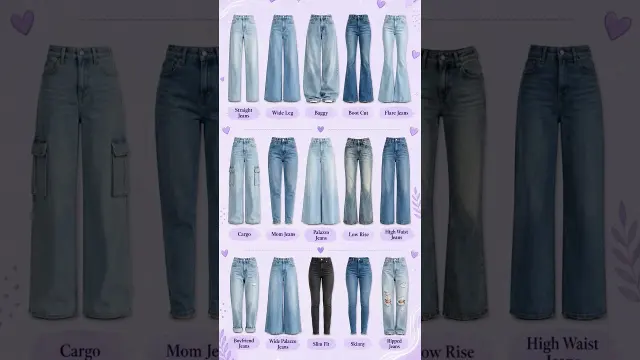 15 Types of Jeans for Women and Denim Outfit Inspiration
 Autumn Color Palettes in Milanese Italian Tailoring
Get new #Womenswear ideas by email
Every Thursday: the week's best ideas, with the newest from #Womenswear.
Related tags
Womenswear: A Guide to Styles, Fabrics and Fit
Womenswear is the broad term for clothing designed for women, and it covers everything from everyday basics to formal evening dress. As a category it is defined less by a single look than by the range of needs it serves: work, leisure, celebration, warmth, modesty and self-expression. Its modern shape owes a great deal to tailoring traditions and to the practical changes of the twentieth century, when women's clothing gradually loosened, shortened and borrowed garments once reserved for men — trousers and blazers most visibly. Today the term sits alongside menswear in shops and design studios mainly as a way of organising cuts and sizing, not as a rule about who may wear what.
The main categories
Most womenswear falls into a few familiar groups. Tailoring includes jackets, trousers, waistcoats and coats, built from structured fabrics and shaped with darts and seams. Dresses and skirts range from fluid slip styles to heavily constructed evening pieces. Knitwear covers jumpers, cardigans and knitted dresses, prized for comfort and drape. Separates — shirts, blouses, T-shirts, jeans, trousers — form the working base of most wardrobes. Outerwear, from trench coats to padded jackets, is where fabric technology shows most clearly. Underwear, swimwear and activewear each follow their own sizing and construction logic.
Fabrics and construction
Read more
Fabric choice shapes how a garment behaves more than any other decision. Woven cloths such as cotton poplin, wool suiting, linen and silk hold a pressed line and read as formal; knits stretch and follow the body; blends trade some natural character for durability or easy care. Construction matters too: a lined jacket with canvas in the chest will hang differently from an unlined one, and a bias-cut skirt will move in a way a straight-cut skirt cannot. Learning to read a label — fibre content, care instructions, whether a garment is lined — tells you a great deal before you ever try it on.
Fit and silhouette
Silhouettes come and go, but a few shapes recur: straight, A-line, fitted, oversized and draped. Fit is about proportion rather than size on a tag, and sizes vary between makers, so treat any number as a starting point. Shoulders are the hardest area to alter, so they are worth checking first: the seam should sit near the edge of your shoulder. Look at how a garment hangs at the back, whether it pulls across the chest or hips, and whether you can move, sit and lift your arms comfortably.
Practical advice for beginners
Start with a small set of pieces you actually reach for, in colours that work together. Prefer fabrics that suit your climate and your patience for care. Try garments on rather than trusting a size, and where you can, have hems and waistlines adjusted — small alterations often transform the fit. Buy for the body you have now. And remember that the most useful wardrobe is one you can combine freely, not one that only makes sense item by item.
#Womenswear: frequently asked questions
How do I begin building a womenswear wardrobe without wasting money?
Anchor it around pieces you genuinely reach for week after week, and keep the colours related so almost anything can be combined with anything else. A wardrobe that works as a system is far more useful than a collection of striking items that only make sense on their own.
Which fabrics should I choose for everyday versus formal wear?
Woven cloths such as poplin, wool suiting, linen and silk take and hold a crisp line, which is why they look sharper and more dressed-up. Knits stretch with the body and feel softer and more casual, while blends are worth considering when you want something that resists wear and washes easily. Check the fibre content before buying, because the cloth decides how the garment drapes, creases and ages.
How can I tell whether a garment actually fits me?
Start at the shoulders, since that seam is the hardest thing to change later and should sit close to the edge of your shoulder bone. Then check the back for pulling, see whether the fabric strains across the chest or hips, and move, sit and raise your arms to be sure nothing restricts you. Fit is about proportion, so treat the size on the tag as a rough starting point rather than a verdict.
What does a clothing label tell me that trying the garment on does not?
The label lists the fibre content, the washing and ironing instructions, and often whether the piece is lined, which together predict how it will behave over time. A lined jacket with structure in the chest hangs very differently from an unlined one, and a bias-cut skirt moves in ways a straight-cut one cannot. Reading it first saves you from surprises after the first wash.
How do I choose a womenswear outfit for a specific occasion?
Work backwards from the setting: how formal it is, how long you will be standing or sitting, and what the weather will do. Tailoring and woven fabrics read as polished, while knits and softer separates suit relaxed daytime plans, and a single well-cut piece in a colour you love often carries the whole look. Comfort matters more than it seems, because a garment you have to keep adjusting will never look as good as one you forget you are wearing.
What mistakes do people make when shopping for womenswear?
Two common ones are buying purely by tag size and buying for a body you plan to have rather than the one you have now. Another is skipping alterations, when taking up a hem or nipping in a waist can turn an almost-right piece into one that fits beautifully.
Videos come from YouTube and posts from Instagram; titles and summaries are our own. All rights belong to their creators.