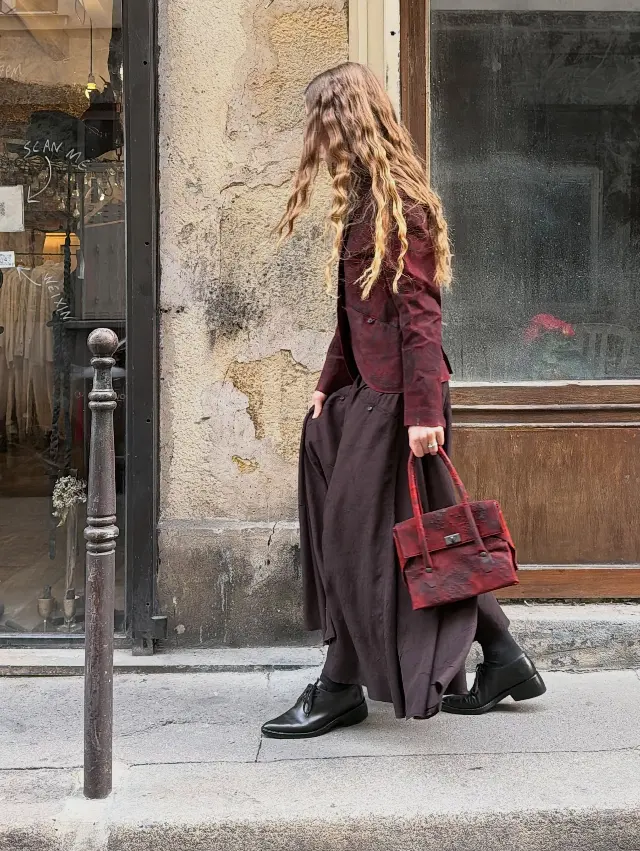
 Sandrine Philippe SS27 look with waxed leather jacket and Victorian skirt
#Paris Fashion
3 ideas
Sandrine Philippe SS27 look with waxed leather jacket and Victorian skirt
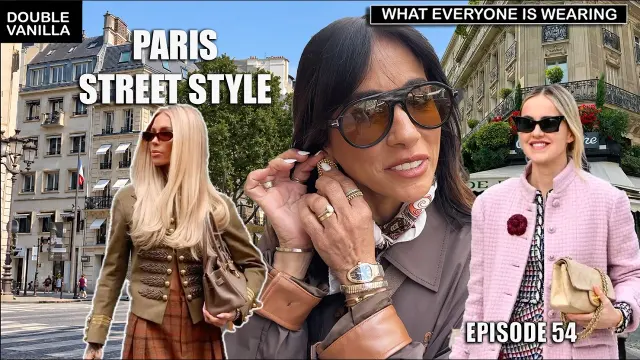 What Everyone Is Wearing in Paris Fall Fashion
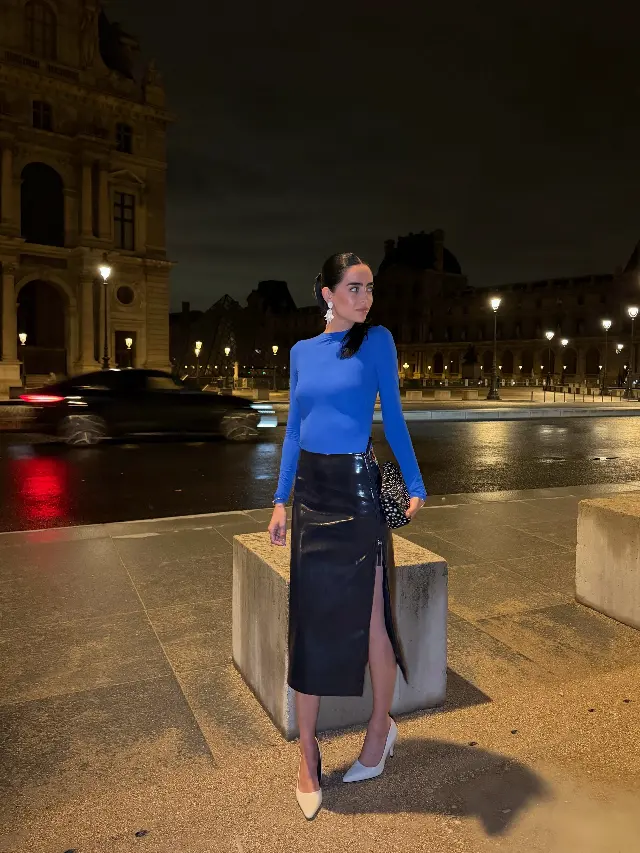 Parisian Night Outfit Inspiration
Get new #Paris Fashion ideas by email
Every Thursday: the week's best ideas, with the newest from #Paris Fashion.
Related tags
Paris Fashion: A Guide to the City's Timeless Style
Paris has long been a reference point for how people dress, and the phrase "Paris fashion" carries a whole set of associations: restraint, good tailoring, a certain way of carrying yourself. Yet the reality is less about glamour than about a handful of principles that anyone can borrow, wherever they live.
Where the reputation comes from
The city's prominence in dressmaking grew over the centuries, rooted in a craft tradition of highly skilled seamstresses, tailors and embroiderers who served private clients before ready-to-wear existed. Couture houses formalised that craft, setting standards for fit and finish that still influence how clothing is made and judged. Alongside the ateliers, Paris developed a culture of looking: streets, cafés and boulevards where people watched and were watched, which shaped a particular attentiveness to silhouette and proportion.
What Parisian style actually looks like
Read more
The look most people mean is built on a few ideas rather than many clothes.
- Structure: a jacket with a defined shoulder, a coat that holds its shape, trousers with a clean line. Fit matters more than decoration.
- Restraint in colour: navy, black, cream, grey, camel, with one accent. Prints are used sparingly rather than piled on.
- Quality over quantity: fewer pieces, worn often, cared for properly.
- A touch of contrast: something slightly unexpected — a scarf, a bold lip, a vintage piece — so the outfit doesn't read as a uniform.
The everyday uniform
In practice, the wardrobe tends to be small and repeatable: well-cut trousers or jeans, a few good shirts and knits, a blazer, a trench or wool coat, leather shoes or boots, a flat or a low heel, and one bag that works with everything. Jewellery is usually minimal and often has a story. Hair and skin are kept simple, which keeps the focus on the clothes and the person wearing them.
What beginners should know
Start with fit. A garment that suits your body will always look better than a more expensive one that doesn't, so find a tailor and use them. Build slowly around neutrals you genuinely like, then add interest. Learn to care for what you own: brushing a coat, airing a knit, polishing shoes and mending promptly extends the life of everything and quietly improves how it looks.
Practical tips
Shop with a list and a rough plan of what you're missing rather than buying what catches your eye. Try things on properly, sitting and walking in them. Resist the urge to buy for a single occasion. Vintage and secondhand shops reward patience and often hold the pieces that give a wardrobe character. And remember that the so-called effortless look is rarely effortless — it's preparation, repetition and clothes that fit.
Style here is less a matter of money than of attention: to proportion, to quality, and to the few things you truly enjoy wearing.
#Paris Fashion: frequently asked questions
How do I start building a Parisian-style wardrobe without replacing everything I own?
Start with fit rather than with shopping: have a tailor adjust the pieces you already wear most, because a well-altered garment reads as expensive even when it isn't. Then build slowly around neutral tones you genuinely like, adding interest only once the basics feel right. The aim is a small, repeatable set of clothes you reach for often, not a single dramatic overhaul.
Which pieces actually form the core of this look?
Think of a compact working wardrobe: clean-lined trousers or jeans, a few good shirts and knits, a blazer, a trench or wool coat, leather shoes or boots, and a bag that goes with everything. Jewellery stays minimal and hair and skin stay simple, so attention lands on the silhouette and the person rather than on accessories. Once those are in place, vintage or secondhand finds are what give the wardrobe character.
How do I choose between a structured jacket and something softer?
Structure is the backbone of the look, so a jacket with a defined shoulder or a coat that holds its shape does more work than a soft, shapeless layer. If you prefer softer fabrics, keep the line clean and the fit precise instead of adding volume. Whichever you pick, try it on properly — sit, walk and reach in it before deciding.
How should I care for these clothes so they keep looking good?
Care is part of style here, not a chore that follows it: brush coats, air knits between wears, polish shoes and mend small faults promptly. These habits quietly extend the life of everything you own and keep the finish looking sharp. It also means buying less, since clothes you maintain well can be worn constantly without showing it.
What works for an evening out in Paris?
Take your daytime uniform and shift the balance rather than starting from scratch — a sharper jacket, a darker palette, or a change of shoe does most of the work. Add a single unexpected touch, such as a scarf, a bolder lip or a vintage piece, so the outfit doesn't read as a uniform. Comfort matters too, since the evening usually involves walking and standing.
What mistakes do people make when trying to dress this way?
The usual ones are buying for a single occasion, shopping from impulse instead of a plan of what's actually missing, and mistaking decoration for fit. Piling on prints or accessories also undoes the restraint the look depends on. Remember that the effortless impression is prepared, not spontaneous — it comes from repetition and clothes that genuinely fit.
Videos come from YouTube and posts from Instagram; titles and summaries are our own. All rights belong to their creators.