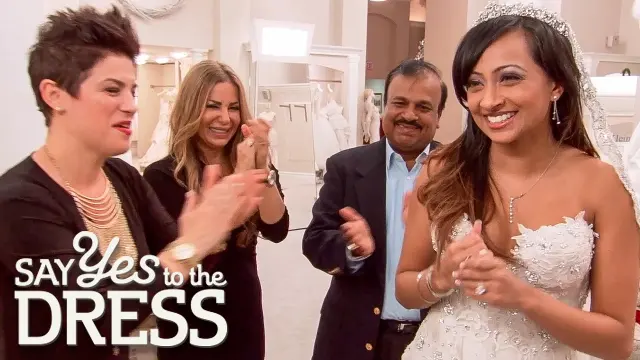
 Bride and Pnina Tornai Create a Bespoke Wedding Gown
#Bespoke Gowns
1 ideas
Bride and Pnina Tornai Create a Bespoke Wedding Gown
Get new #Bespoke Gowns ideas by email
Every Thursday: the week's best ideas, with the newest from #Bespoke Gowns.
Related tags
Bespoke Gowns: A Guide to Made-to-Measure Dressmaking
A bespoke gown is not simply a dress that fits well. It is a garment drawn, cut and sewn for a single body, from a paper pattern that did not exist before you walked into the room. Nothing is adapted from a standard size; the shape begins with your measurements, your posture and the way you move.
Where the word comes from
The term belongs to the tailoring trade. Cloth was once said to be "bespoke" when it had been spoken for — promised to a particular customer — and the word settled into English as a description of garments made to individual order. The dressmaking equivalent grew alongside couture houses, but the principle is older than any of them: a cutter, a length of cloth, and a body to dress.
Bespoke, made-to-measure, off the rack
Read more
Three words get used loosely, and the differences matter.
- Ready-to-wear is made in standard sizes and altered afterwards. Quick, but the proportions are someone else's.
- Made-to-measure starts from an existing block pattern, adjusted to your measurements. Good for a reliable fit with limited changes.
- Bespoke starts from a blank sheet: a new pattern, a toile, and as many fittings as the garment needs.
How the process usually runs
It begins with a conversation about the occasion, the season, and how you want to feel. Then come measurements — often many of them, taken over light clothing and noted alongside your height and posture. The cutter drafts a pattern and builds a toile, a test garment in cheap cotton, so the shape can be corrected in three dimensions rather than on paper. You try it on, it is pinned and marked, and the real cloth is cut only once the toile is right.
Fittings follow. Expect two or three at minimum, more for structured or heavily embellished work. The final stage is finishing: linings, closures, hems, hand-sewn details, pressing.
Kinds of bespoke work
Bridal gowns are the most familiar, but the craft covers evening and cocktail dresses, occasion wear, christening and ceremonial dress, and historical or theatrical costume. Structured gowns rely on internal support — boning, interfacing, a fitted corselet — while softer styles are cut on the bias so the fabric drapes and moves. Beading, embroidery and lace appliqué are usually done by hand, and often by a separate specialist.
What to know before you begin
Allow generous time. Bespoke work cannot be rushed, and the calendar is the most common source of disappointment. Choose fabric with the design in mind: some cloths hold a sculpted shape, others only fall softly, and a sample that looks beautiful flat may behave differently sewn.
Bring the undergarments and shoes you intend to wear, since both change the line of a gown. Move in every fitting — sit, walk, lift your arms — because a garment that photographs perfectly can still be unwearable. Ask how the gown is cleaned and stored. And keep the conversation honest: a good maker would rather hear a doubt early than discover it on the final fitting.
#Bespoke Gowns: frequently asked questions
How do I start the process of having a bespoke gown made?
It starts with an honest conversation about the occasion, the season and how you want to feel wearing it, since those answers shape everything that follows. From there you are measured, often at length and over light clothing, and a pattern is drafted from scratch. Only after the test garment has been corrected on your body is the real cloth cut.
What is the difference between bespoke, made-to-measure and ready-to-wear?
Ready-to-wear comes in standard sizes and is altered afterwards, so the proportions belong to someone else. Made-to-measure takes an existing block pattern and adjusts it to your measurements, which suits a reliable fit with limited changes. Bespoke begins with a blank sheet: a new pattern, a toile and as many fittings as the gown needs.
What should I bring to my fittings?
Bring the undergarments and shoes you plan to wear with the gown, because both change how the fabric hangs and where the hem falls. It also helps to wear something light and simple to the measuring session so the numbers are accurate. Come ready to move, not just stand still.
How long does a bespoke gown take, and why does it matter so much?
The work cannot be hurried: measuring, pattern drafting, a toile, several fittings and then the finishing all take time, and structured or heavily embellished gowns need more of it. The calendar is the most common source of disappointment, so raise your date at the very first conversation. If the timing is tight, a good maker would rather tell you early than promise what the craft cannot deliver.
How do I choose the right kind of gown and fabric for my occasion?
Think about the setting and the mood first, then let the design guide the cloth rather than the other way round. Some fabrics hold a sculpted, structured shape while others only fall softly, and a sample that looks lovely flat can behave quite differently once sewn. Structured styles rely on internal support such as boning or a fitted corselet, while softer ones are cut on the bias so the material drapes and moves with you.
What mistakes should I avoid when commissioning a bespoke gown?
Don't rush the schedule or leave decisions until the last fitting, and don't assume a gown that photographs beautifully is comfortable to wear. Sit, walk and lift your arms at every fitting, since a garment only reveals its problems in motion. Speak up about any doubt as soon as you feel it, and ask in advance how the finished gown should be cleaned and stored.
Videos come from YouTube and posts from Instagram; titles and summaries are our own. All rights belong to their creators.