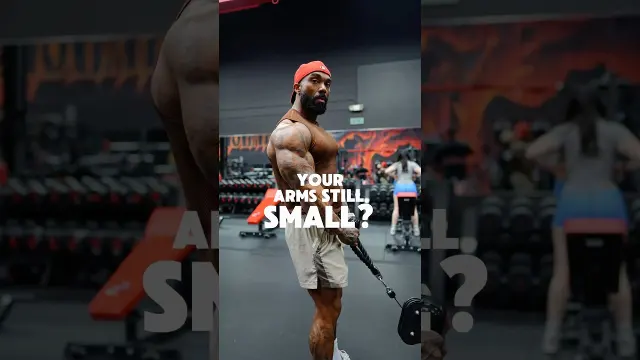
 Thirty-Minute Arm Workout for Biceps, Triceps and Forearms
#Biceps Workout
1 ideas
Thirty-Minute Arm Workout for Biceps, Triceps and Forearms
Get new #Biceps Workout ideas by email
Every Thursday: the week's best ideas, with the newest from #Biceps Workout.
Related tags
Biceps Workout: A Complete Guide for Beginners and Beyond
The biceps brachii is the two-headed muscle that runs along the front of your upper arm, between shoulder and elbow. Its main jobs are bending the elbow and turning the forearm palm-up, which is why almost every movement you do with your hands — lifting, carrying, pulling — recruits it. It also assists at the shoulder joint, helping raise and stabilise the arm. Training it well is about more than appearance: stronger elbow flexors make daily lifting and pulling easier and support the larger pulling muscles of your back.
How the muscle works
The biceps has two heads, a longer one on the outside of the arm and a shorter one on the inside. Both cross the shoulder and elbow joints, so the position of your upper arm and the rotation of your wrist change how much each part contributes. A curl with your palms facing up emphasises the biceps; a hammer-style grip with palms facing each other shifts some of the load toward the brachialis and forearm, which sit underneath and beside the biceps and contribute to arm thickness.
The main movement patterns
Read more
Curls are the classic biceps exercise and come in several forms: standing with a barbell or dumbbells, seated on an incline to stretch the muscle under load, preacher-style with the upper arm supported, and cable versions that keep tension constant through the range. Chin-ups and other underhand-grip pulling movements train the biceps strongly while also working the back. Rowing variations contribute too, since the elbow bends against resistance. For a balanced arm, pair biceps work with triceps training, and remember that the biceps also grows from the pulling you already do.
Technique that matters
Keep your elbows roughly still and let the forearm do the work. Avoid swinging the torso to start the lift — if you need momentum, the weight is too heavy. Lower the weight under control rather than dropping it; the lowering phase builds just as much as the lift. Stop each repetition before your lower back arches or your shoulders roll forward. Grip width and wrist rotation are small adjustments worth experimenting with, but clean form comes first.
Building a routine
Two or three biceps exercises, each for two or three sets of roughly eight to fifteen repetitions, is enough for most people training arms once or twice a week. Leave at least a day between sessions for the same muscle, and remember that growth happens during recovery, not during the set. Increase weight or repetitions gradually over weeks rather than jumping ahead. Warm up with light sets, and stop if you feel sharp pain in the elbow or wrist rather than ordinary muscle fatigue.
For beginners
Start with simple dumbbell curls and a supported variation, learn to feel the muscle working, and keep a written record of what you lift. Progress is slow and steady, and consistency over months matters far more than any single workout.
#Biceps Workout: frequently asked questions
How do I start training my biceps if I've never done it before?
Begin with simple dumbbell curls and one supported variation where your upper arm rests on a bench or your thigh, so you can feel the muscle working without cheating the movement. Keep a written record of what you lift so progress is visible over time, since consistency across months matters far more than any single session. Learn the movement pattern first and add difficulty gradually once the form feels automatic.
What equipment do I actually need for a biceps workout?
Very little — a pair of dumbbells or a single barbell covers the classic curls, and a bench or an adjustable seat lets you do incline and supported versions. A sturdy bar or a pull-up bar opens up underhand-grip pulling, which trains the biceps hard while also working the back. Cable machines are a nice extra for constant tension, but they are not required to build the muscle.
Which curl variation should I choose?
Palms-up curls emphasise the biceps most directly, while a hammer-style grip with palms facing each other shifts some of the load to the brachialis and forearm, which adds thickness to the arm. Incline versions stretch the muscle under load, preacher-style setups keep the upper arm fixed so the elbow can't help, and cable versions hold tension through the whole range. Pick two that feel good on your elbows rather than trying to do all of them.
How should I fit biceps work into a weekly routine?
Two or three exercises, each done for a couple of sets in a moderate repetition range, is plenty for most people training arms once or twice a week. Leave at least a day between sessions that hit the same muscle, because growth happens during recovery rather than during the set itself. Pair biceps work with triceps training for a balanced arm, and remember the pulling you already do for your back contributes too.
What are the most common technique mistakes people make with curls?
Swinging the torso to get the weight moving is the big one — if you need momentum, the load is too heavy, so keep your elbows roughly still and let the forearm do the work. Dropping the weight on the way down wastes half the exercise, since the lowering phase builds just as much as the lift. Stop each repetition before your lower back arches or your shoulders roll forward, and treat sharp elbow or wrist pain as a signal to stop rather than as ordinary fatigue.
How do I know I'm progressing without overdoing it?
Add a little weight or an extra repetition every few weeks rather than jumping ahead, and warm up with lighter sets before your working ones. Keeping a simple log makes those small increases obvious, which matters because biceps progress is slow and steady. If your form starts breaking down at the end of a set, that is the point to end it rather than push for more.
Videos come from YouTube and posts from Instagram; titles and summaries are our own. All rights belong to their creators.