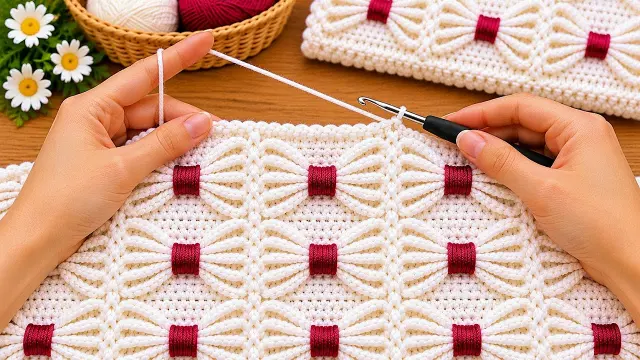
 A New Crochet Blanket Design That Is Easy and Unique to Make
#Blanket Design
1 ideas
A New Crochet Blanket Design That Is Easy and Unique to Make
Get new #Blanket Design ideas by email
Every Thursday: the week's best ideas, with the newest from #Blanket Design.
Related tags
Blanket Design: A Guide to Planning and Making Blankets
A blanket is one of the most generous things a person can make: it is large, it takes time, and it ends up used every day. Blanket design is the thinking that happens before and during the making — deciding the size, the technique, the colours, the pattern and the finishing that will turn yarn or fabric into something warm and coherent.
Many traditions, one idea
Almost every culture with textiles has a blanket tradition. Quilting and patchwork grew out of thrift, piecing together worn fabric into something new. Weaving produced heavy wool covers in cold regions. Knitting and crochet turned thread into dense, air-trapping fabric, often worked in repeated motifs so a large piece could be carried around in small pieces. What these traditions share is structure: a blanket is usually built from units — blocks, strips, squares, motifs — that are repeated and joined.
Choosing a technique
Read more
Patchwork and quilting suit anyone who likes fabric and precision: pieces are cut, sewn into a top, then layered with wadding and a backing and held together with stitching. Knitting gives a soft, elastic fabric and works well for textured stitch patterns and colour-block stripes. Crochet grows quickly and is naturally suited to motifs — a single square repeated in different colours can become a whole blanket. Weaving produces firm, graphic cloth. Appliqué, embroidery and simple tied or knotted fleece blankets need no advanced skills at all.
Design decisions that matter most
Size comes first, because it determines how much material you need and how long the project will take. A lap blanket is a realistic first project; a bed-sized blanket is a commitment. Next is the palette: two or three colours used consistently usually read more clearly than many colours scattered at random. Layout matters as much as the individual unit — try arranging your blocks or motifs on the floor or in a photograph before joining, and check how the colours balance across the whole surface.
Weight and drape deserve thought too. A dense, tightly worked fabric makes a sturdy, warm blanket; a looser tension gives a softer, more fluid one. Fibre choice affects both feel and care, so consider how the blanket will be washed before you fall in love with a yarn or cloth.
Practical tips for beginners
Work a small sample first to check your tension and see how the colours behave together. Choose one repeating unit and let the pattern do the work rather than improvising a new element for every row. Keep notes on hook or needle size, yarn and colour order — a large project often spans months, and memory is unreliable. Finish each unit neatly as you go, since joining dozens of loose ends at the end is the least enjoyable part. A border, simple or decorative, frames the design and helps edges lie flat.
Above all, blanket design rewards patience over speed. A blanket made slowly, with a clear plan and colours you genuinely like, tends to be the one that stays on the sofa for years.
#Blanket Design: frequently asked questions
How do I start designing a blanket if I've never made one before?
Start by choosing a small, realistic size such as a lap blanket rather than committing to a bed-sized piece straight away. Then pick a single repeating unit — a block, strip or motif — and work a small sample to check your tension and see how your colours behave together. Having the size, technique and palette settled before you begin keeps the whole project coherent.
Which technique should I choose for my blanket?
It depends on what you enjoy handling: patchwork and quilting suit people who like fabric and precision, knitting gives a soft elastic cloth, crochet grows quickly and lends itself to repeated motifs, and weaving produces firm graphic cloth. Appliqué, embroidery and tied or knotted fleece need no advanced skills at all. Pick the one whose process you actually find pleasurable, since you will be repeating it for a long time.
How do I choose colours and arrange the pattern?
A restrained palette used consistently usually reads more clearly than many colours scattered at random, so limit yourself and repeat each one deliberately across the surface. Layout matters as much as the individual unit — arrange your blocks or motifs on the floor or in a photograph before joining and check how the colours balance across the whole blanket. A simple border at the end frames the design and helps the edges lie flat.
What do beginners most often get wrong?
The most common mistakes are improvising a new element constantly instead of letting one repeating unit do the work, and leaving all the finishing until the end. Finish each unit neatly as you go, because joining a pile of loose ends later is the least enjoyable part of the project. It also helps to keep notes on hook or needle size, yarn and colour order, since a large blanket often spans months and memory is unreliable.
What should I think about when caring for a handmade blanket?
Fibre choice affects both how the blanket feels and how it must be washed, so decide how it will be cleaned before you fall in love with a particular yarn or cloth. Dense, tightly worked fabric makes a sturdy warm blanket, while looser tension gives something softer and more fluid, and that difference also shapes how it wears over time. Check the care guidance for whatever material you use and treat the finished piece accordingly.
Do you have an idea for an easy blanket that still looks distinctive?
A single crochet square repeated in shifting colours is the classic route: the motif is simple enough to work without much thought, yet the arrangement of colours makes the finished blanket look designed rather than plain. Work one square as a sample first, confirm you like the combination, then commit to the repeat. The pattern carries the interest, so you don't need a new stitch for every round.
Videos come from YouTube and posts from Instagram; titles and summaries are our own. All rights belong to their creators.