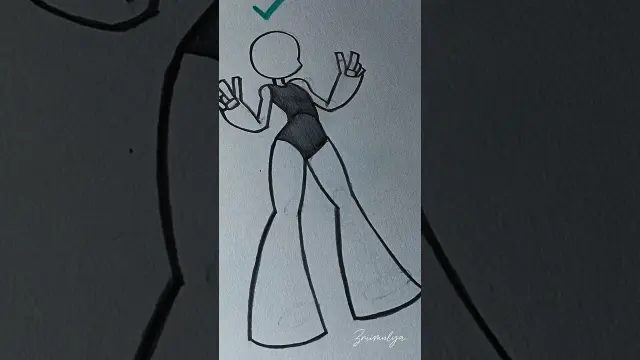
 How to Draw a Female Body Pose Tutorial
#Body Pose
1 ideas
How to Draw a Female Body Pose Tutorial
Get new #Body Pose ideas by email
Every Thursday: the week's best ideas, with the newest from #Body Pose.
Related tags
Body Pose in Drawing and Figure Art
What body pose means
Body pose is the position, attitude, and movement of the human body. In drawing, it is one of the most important parts of making a figure feel alive. A good pose shows not only how a body stands or sits, but also what it is doing, how it carries weight, and what kind of emotion or energy it gives off.
Artists use body pose in figure drawing, illustration, character design, comics, fashion sketches, and animation. It helps turn a plain outline into a convincing person with presence. A pose can be relaxed, tense, graceful, awkward, confident, dramatic, or still. Even a simple pose can tell a story.
The basics of a strong pose
Read more
A natural pose usually has a clear line of action, which is the main flow of the body from head to feet. This line helps you capture movement before worrying about details. The body is rarely perfectly straight and symmetrical in real life. Small shifts in the shoulders, hips, and spine often make a pose feel more real.
Balance is also important. When a person stands, the weight usually rests more on one leg than the other. When someone sits, bends, reaches, or twists, the body adjusts to stay stable. If the pose looks stiff, check whether the weight distribution feels believable.
Common kinds of body pose
There are many kinds of poses, but some are especially useful to understand:
- Standing poses, which can be relaxed, formal, or dynamic
- Sitting poses, which often involve folded legs, leaning, or twisting
- Action poses, used for movement, dance, sports, or expressive scenes
- Portrait poses, which focus on the upper body and face
- Fashion or editorial poses, which emphasize shape, attitude, and silhouette
Each type has its own challenges. Standing poses need balance. Sitting poses need clear angles. Action poses need energy. Portrait poses need careful attention to the shoulders, neck, and hands.
How to approach drawing a pose
Begin with gesture drawing. Use quick, loose marks to catch the flow of the body rather than the outline alone. Then build the body with simple shapes such as ovals, blocks, and cylinders. This makes it easier to understand proportion and perspective.
Pay attention to three things:
- The tilt of the shoulders
- The angle of the hips
- The curve of the spine
These parts often work together to create rhythm in the figure. Hands, feet, and the head also help define the pose, so place them early enough to check the overall structure.
Tips for beginners
Do not try to copy every detail at the start. Focus first on gesture, balance, and proportion. If you are working from reference, look for the biggest shapes and the main angles before you draw smaller features.
Practice different poses often, including simple ones. Even a person standing still has small differences in posture that can teach you a lot. When possible, draw from life, photographs, or mirrors to study how bodies bend, twist, and rest.
Most importantly, keep the pose believable. A successful body pose does not have to be complicated. It only needs to feel natural, clear, and full of intention.
#Body Pose: frequently asked questions
How do I start learning to draw body poses?
Start with gesture drawing rather than outline: make quick, loose marks that follow the main flow of the body from head to feet. Once that flow reads clearly, block the figure in with simple ovals, blocks and cylinders so proportion and perspective become easier to judge. Details come last, after the movement feels right.
Do I need a live model or special materials to practice body poses?
No, none of that is required. You can study poses from photographs, from a mirror, or by sketching people going about their day, and ordinary paper and pencil are enough. Drawing from life when you get the chance is valuable because it shows how bodies actually shift weight and twist.
Which kind of pose should a beginner practice first?
Relaxed standing poses are the most forgiving place to begin, since the body is stable and the main angles are easy to see. From there, sitting poses teach you to read clear angles where limbs fold and overlap, and action poses add energy once balance feels familiar. Portrait poses are a good side study because shoulders, neck and hands carry so much of the attitude.
How do I stop my drawn poses from looking stiff?
Stiffness usually comes from making the figure too straight and symmetrical. Give the body a clear line of action, let the weight rest more on one leg than the other, and check the tilt of the shoulders against the angle of the hips and the curve of the spine. Those small offsets are what make a pose feel believable.
What mistakes do beginners make most often with body poses?
The common one is chasing details too early, drawing fingers, faces and fabric before the gesture and balance are settled. Placing the head, hands and feet late is another, because they define the structure and reveal when the proportions have drifted. Copying an outline instead of looking for the biggest shapes and main angles causes the same problem.
How can I bring more expression into a body pose?
Decide what the figure is doing and how it feels before you draw, then let the whole body answer that question rather than just the face. A successful pose does not need to be complicated; it needs to feel natural, clear and full of intention, whether it reads as relaxed, tense, graceful or dramatic.
Videos come from YouTube and posts from Instagram; titles and summaries are our own. All rights belong to their creators.