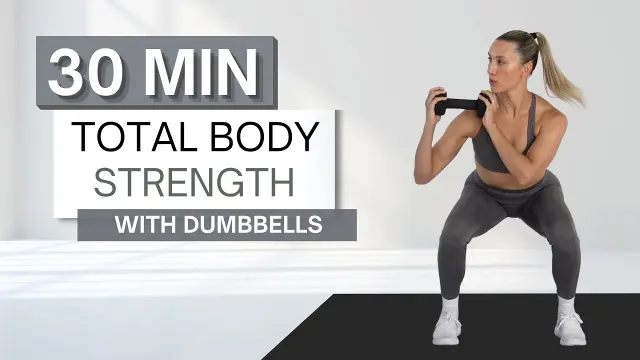
 30-Minute Dumbbell Total Body Strength Workout with Core Finisher
#Body Toning
15 ideas
30-Minute Dumbbell Total Body Strength Workout with Core Finisher
 No-Equipment Mat Workout for Core, Legs and Glutes at Home
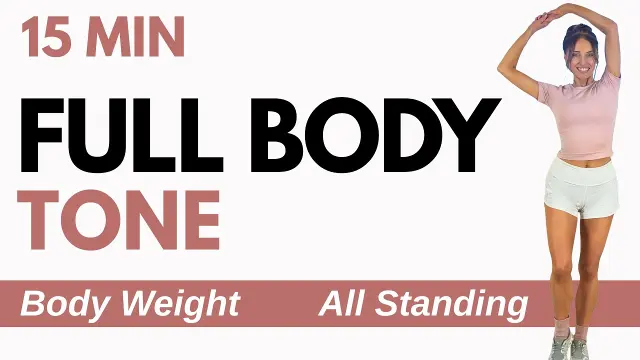 15-Minute No-Equipment Full Body Workout with Lucy Wyndham-Read
 Five-Minute No-Equipment Home Workout for Core and Lower Body
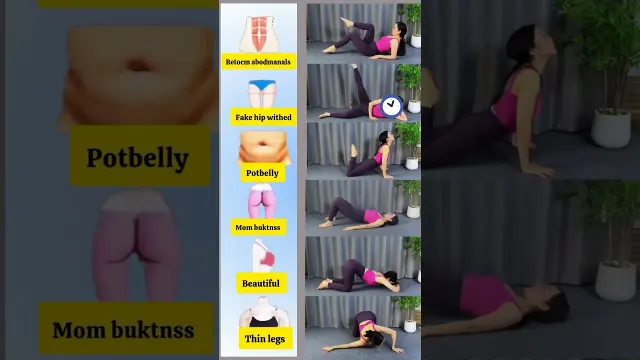 10-Minute Beginner Home Workout for Abs, Hips and Legs
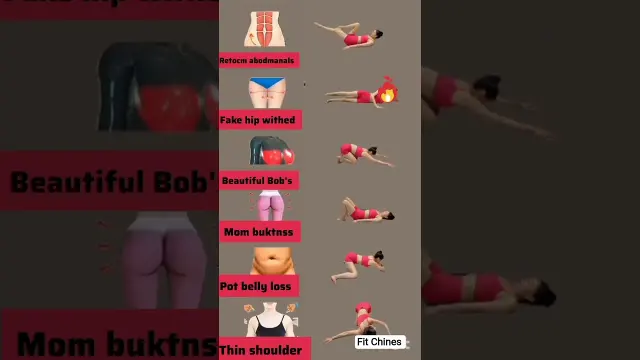 Beginner Full Body Home Workout for Core, Glutes and Shoulders
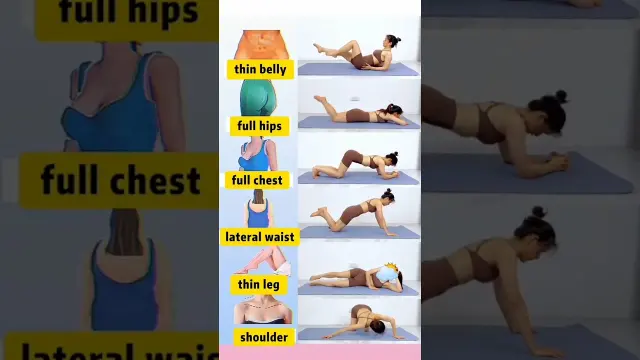 Beginner Full Body Toning Routine for Core, Hips and Legs at Home
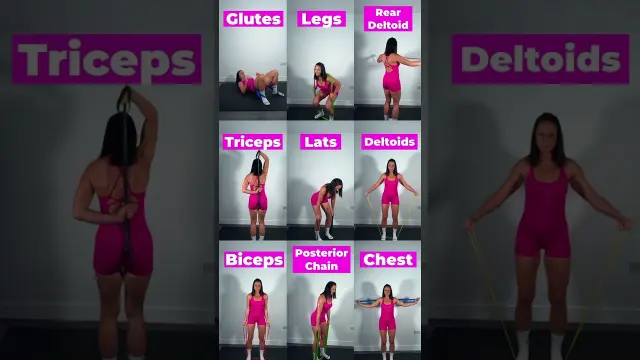 Full Body Resistance Band Workout to Build Strength at Home
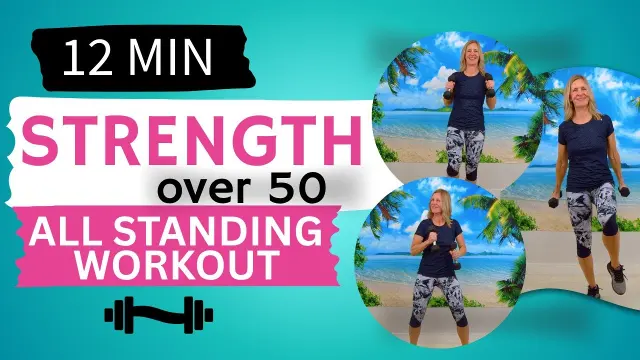 12-Minute Dumbbell Strength Workout for Women Over 50 at Home
 20-Minute Full Body Bodyweight Workout for Strength and Stamina
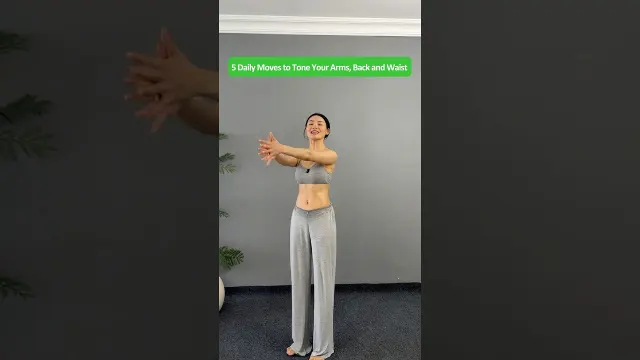 Five Daily Home Exercises to Tone Arms Slim Waist and Sculpt Back
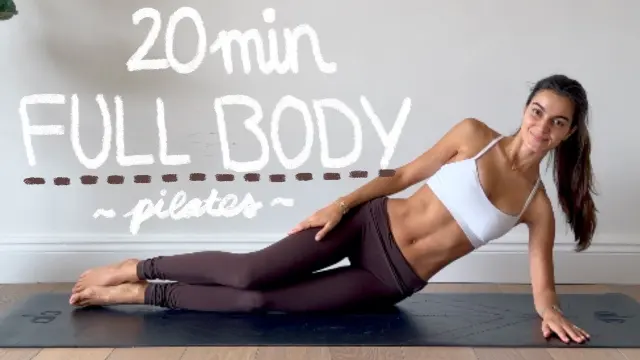 20-Minute Full Body Pilates Workout for Toning
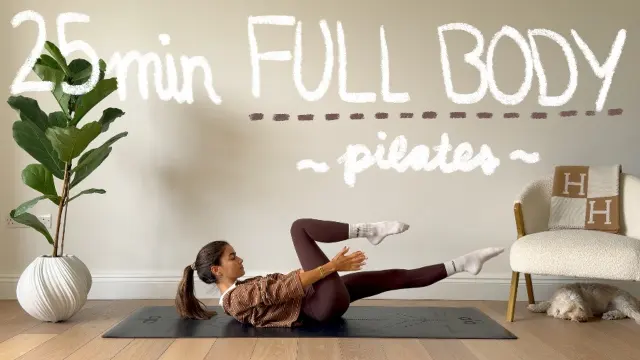 25-Minute Full Body Pilates Toning Workout
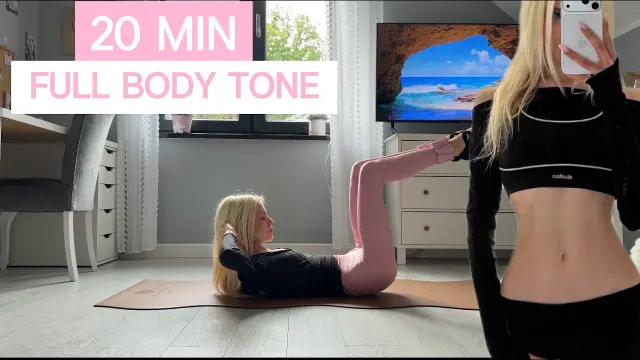 20 Minute Full Body Toned Hourglass Pilates Workout
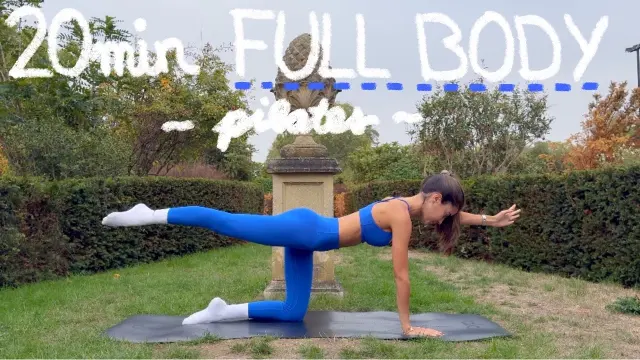 20 Minute Full Body Hourglass Pilates Toning Workout
Get new #Body Toning ideas by email
Every Thursday: the week's best ideas, with the newest from #Body Toning.
Collections
Related tags
Body Toning: A Beginner's Guide to Strength and Shape
"Toning" is one of those words that gets used loosely, so it helps to start with what it actually describes. Muscle tone is the slight, constant tension a muscle holds even at rest, and in everyday language "toning" means building enough muscle to give the body visible shape and definition while keeping it strong and functional. It is not a separate kind of exercise with its own secret method: it is strength work, combined with enough recovery and sensible eating to let the body change.
Where the idea comes from
The concept grew out of fitness culture rather than medicine. Early physical culture movements in the nineteenth and twentieth centuries promoted resistance training for health and posture, and later exercise classes softened the heavy-lifting image into something more approachable. The word "toning" made strength training feel less intimidating, aimed at people who wanted to feel firm and capable rather than bulky. That heritage explains both its appeal and its vagueness.
What toning actually involves
Read more
Muscles respond to resistance. When you ask them to work against something — your own body weight, a band, a dumbbell, a water bottle — they adapt by becoming stronger and slightly denser. Whether the result looks lean or muscular depends on genetics, overall muscle mass and the amount of body fat you carry, none of which follow a single recipe. Two people doing identical workouts will look different, and that is normal.
The main kinds of toning work are:
- Bodyweight training: squats, push-ups, lunges, planks and their many progressions.
- Resistance bands: gentle on joints, easy to store, good for beginners and travel.
- Free weights: dumbbells and kettlebells, allowing steady, measurable progress.
- Machines and cables: supportive, useful for learning movement patterns safely.
- Pilates, barre and similar classes: emphasise control, posture and smaller stabilising muscles.
What beginners should know
Consistency beats intensity. Two or three short sessions a week, repeated over months, will do more than a fortnight of daily exhaustion followed by a stop. Aim to work each major muscle group across the week and leave a day between sessions for the same muscles to recover.
Learn the movement before adding load. Slow, controlled repetitions with a lighter weight teach your body the pattern; speed and heavy weight come later. Pain that is sharp, or pain in a joint, is a signal to stop, not to push through.
Do not neglect the rest of the picture. Sleep, protein, water and general daily movement all support the work you do in a session, and body composition changes gradually. Measurements and photographs taken weeks apart tell you more than the mirror on any given morning.
Practical habits that help
Warm up with a few minutes of easy movement, keep a simple record of what you lifted or how many repetitions you managed, and increase difficulty slightly when the current level feels comfortable. If you have an injury, a health condition or you are pregnant, seek guidance from a qualified professional before starting.
Toning is really a patient, unglamorous practice: show up, move well, rest enough, and let time do its part.
#Body Toning: frequently asked questions
Is toning a different kind of exercise from strength training?
No — toning is strength work combined with enough recovery and sensible eating, not a separate method with its own secret. The term came out of fitness culture rather than medicine, which is why it sounds softer and vaguer than "strength training" while describing much the same thing. What you end up seeing depends on genetics, overall muscle mass and body fat, so two people following the same routine can look quite different.
How do I start toning if I have never done strength work?
Begin with bodyweight movements you can control — squats, push-ups, lunges, planks — and learn the pattern before adding any load. Keep sessions short and repeatable rather than exhausting, because a habit you can sustain matters far more than one hard week. If you have an injury, a health condition or you are pregnant, get guidance from a qualified professional before starting.
Do I need equipment or a gym to tone up?
Not at first: your own body weight is resistance enough to build a base, and mat-based routines need nothing else. A resistance band or a pair of dumbbells adds variety cheaply and stores easily at home, which suits travel and small spaces. Machines and cables are mainly helpful for learning movement patterns with support.
Which kind of toning work should I choose?
The one you will actually repeat — bodyweight training, bands, free weights, machines and Pilates-style classes all build strength, they just differ in feel and in how much control they demand. Pilates and barre lean on posture and smaller stabilising muscles, while free weights make steady progress easy to track. Choose according to what your body tolerates comfortably and what keeps you coming back.
How often should I train, and what does recovery involve?
A couple of short sessions a week, repeated over months, does more than a burst of daily exhaustion followed by a stop. Work each major muscle group across the week and leave a day between sessions that hit the same muscles. Sleep, protein, water and general daily movement all support the work you do in a session.
What mistakes do beginners make most often?
Adding speed or weight before the movement is clean is the classic one, along with pushing through sharp pain or joint pain instead of stopping. Another is judging progress by the mirror on any given morning rather than comparing measurements or photos taken weeks apart. Skipping the warm-up and the rest days quietly works against the results people are chasing.
Videos come from YouTube and posts from Instagram; titles and summaries are our own. All rights belong to their creators.