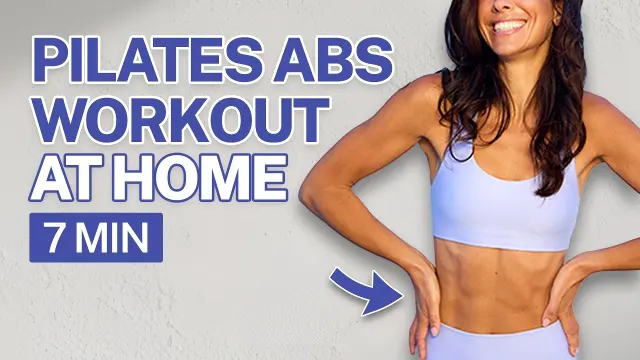
 Seven-Minute Pilates Abs Workout for Beginners at Home
#Beginner Fitness
6 ideas
Seven-Minute Pilates Abs Workout for Beginners at Home
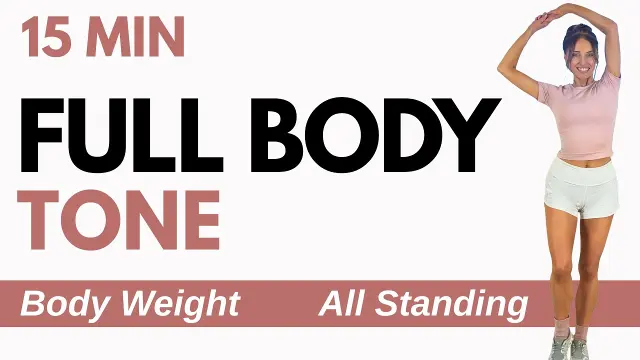 15-Minute No-Equipment Full Body Workout with Lucy Wyndham-Read
 10-Minute Beginner Home Workout for Abs, Hips and Legs
 Beginner Full Body Home Workout for Core, Glutes and Shoulders
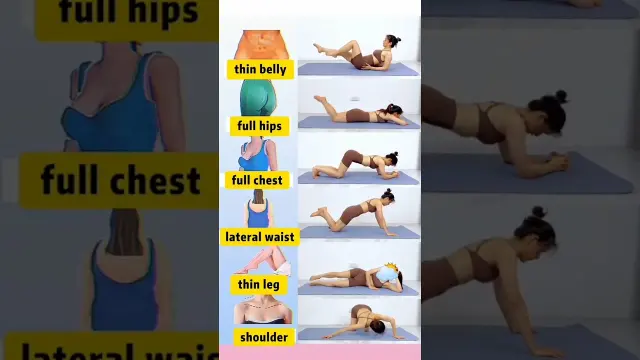 Beginner Full Body Toning Routine for Core, Hips and Legs at Home
 20 Minute Beginner Friendly Walking and Flat Belly Workout
Get new #Beginner Fitness ideas by email
Every Thursday: the week's best ideas, with the newest from #Beginner Fitness.
Related tags
Beginner Fitness: A Gentle Guide to Getting Started
Starting to exercise is less about willpower than about finding a way in that feels manageable. Beginner fitness covers any form of movement you take up with little or no training behind you — walking, home workouts, stretching, light strength work, cycling, swimming, dancing. The point is not to impress anyone. It is to build a routine your body and your week can actually hold.
Why beginners benefit from going slowly
Muscles, joints, tendons and the heart all adapt to work, but at different speeds. Tendons and ligaments strengthen more slowly than muscle, which is one reason newcomers often feel fine during a session and sore two days later. Starting with short, frequent sessions and increasing gradually gives those tissues time to catch up. Soreness is normal; sharp pain, dizziness or joint pain is a signal to stop and rest.
The main kinds of beginner training
Read more
- Cardiovascular work raises your heart rate and breathing: brisk walking, easy jogging, cycling, swimming, dance, stair climbing. It builds stamina and supports heart health.
- Strength work uses resistance — body weight, resistance bands, or light weights — to build muscle. Squats, sit-to-stands, push-ups against a wall or counter, rows with a band and simple core exercises cover most of the body.
- Mobility and flexibility work keeps joints moving comfortably: gentle stretching, yoga, or slow controlled movements through a full range of motion.
- Balance and posture work matters more with age: standing on one leg, heel-toe walking, or simple standing exercises.
A balanced week usually includes some of each, with walking or another cardio activity as the easy backbone.
What beginners should know
Warm up for a few minutes with easy movement before anything harder, and cool down afterwards. Learn the shape of a movement before adding speed or weight — form first, always. Bodyweight exercises at home are plenty to begin with; equipment can wait until you know what you enjoy.
Rest days are part of the programme, not a lapse. Sleep and food do the rebuilding that training sets in motion. Drink water, eat regular meals, and do not cut calories drastically while starting to exercise.
Practical habits that help
Keep sessions short at first — ten to twenty minutes is real training. Choose a time and place you can repeat, and put the clothes out the night before. Track something simple, like how many sessions you completed, rather than how you look. Expect weeks where nothing happens and weeks where everything feels easier; both are normal.
If you have a health condition, are pregnant, are recovering from injury, or have not exercised in years, check with a healthcare professional before starting something new. Otherwise, the best beginner routine is one you will still be doing in a month. Start smaller than you think you should, and let consistency do the rest.
#Beginner Fitness: frequently asked questions
How do I start beginner fitness if I have no workout experience?
Start with something that feels easy to repeat, like walking, gentle stretching, or a short home workout. Focus on building a routine first, and keep the effort light enough that you can recover and come back to it again.
What do I need for beginner workouts at home?
You can begin with just comfortable clothes, a little space, and a bit of time. Bodyweight moves, walking, and simple stretching are enough at the start, and equipment can wait until you know what style of exercise you enjoy.
Which type of beginner exercise should I choose first?
Choose the kind that matches your goal and feels most manageable: cardio for stamina, strength work for muscle, and mobility or flexibility work for easier movement. Many beginners do best with a mix of walking plus a few simple strength and stretching exercises.
How often should a beginner work out in a week?
A beginner routine works best when sessions are short, regular, and gradually increased over time. Rest days matter too, because your body uses them to recover and adapt.
What are common beginner fitness mistakes to avoid?
Going too hard too soon is one of the biggest mistakes, especially if you skip warming up or try to add speed and weight before learning good form. It also helps not to ignore rest, hydration, or regular meals while you are starting out.
What is a good beginner workout idea for a busy day?
A short full-body home workout or a quick walking routine is a practical choice when time is tight. Even a brief session can be useful if it is easy to repeat and includes a warm-up and cool-down.
Videos come from YouTube and posts from Instagram; titles and summaries are our own. All rights belong to their creators.