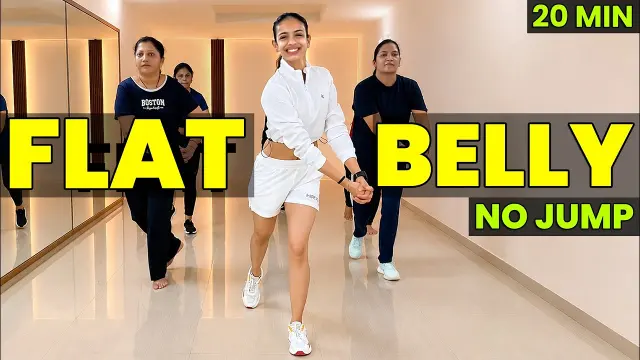
 20 Minute Beginner Friendly Walking and Flat Belly Workout
#Walking Workout
2 ideas
20 Minute Beginner Friendly Walking and Flat Belly Workout
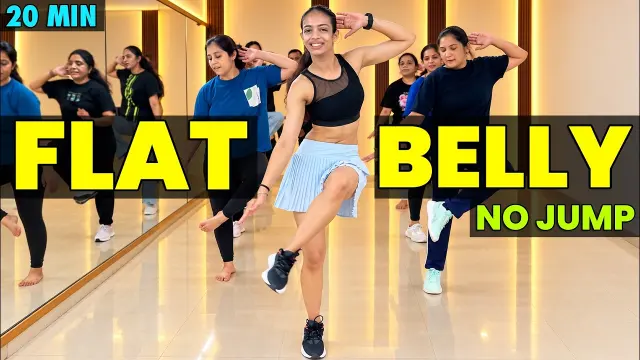 20 Minute Low Impact Indoor Walking Workout for Fat Burn and Core
Get new #Walking Workout ideas by email
Every Thursday: the week's best ideas, with the newest from #Walking Workout.
Related tags
Walking Workout: A Beginner's Guide to Walking for Fitness
Walking is the most ordinary thing in the world, which is exactly why it works so well as exercise. A walking workout simply means walking with intention: a set time, a steady or varied pace, and a little attention to how you hold yourself. No equipment, no gym, no learning curve. You already know the movement; the workout is in deciding to do it deliberately.
Where it comes from
Walking has always been how people got from place to place, and in many cultures a long daily walk is simply part of the day rather than a fitness activity. Competitive walking grew out of that everyday habit, with racewalking becoming a recognised sport built on a strict technique: one foot always in contact with the ground and the leading leg straight. Power walking, a looser and much more popular version, borrows the brisk pace and strong arm swing without the technical rules. Indoor walking workouts came later, shaped by home fitness culture and the treadmill, and they exist for the days when the weather or your schedule keeps you inside.
The main kinds
Read more
- Brisk walking: a steady pace where your breathing deepens but you can still hold a conversation. The foundation of most walking routines.
- Interval walking: alternating faster and slower stretches, which adds variety and keeps the time moving.
- Incline walking: using hills or a treadmill gradient to work harder without going faster.
- Indoor walking: marching, stepping and side-to-side moves done in a small space, often low impact and easy on the joints.
- Treadmill walking: the same principles, with control over speed and incline.
Technique that helps
Stand tall rather than stiff, with your shoulders relaxed and your gaze ahead rather than at your feet. Let your arms swing naturally, bending them a little if you pick up speed. Roll from heel to toe and take steps that feel comfortable, not stretched. If you are walking fast, short quick steps are easier on the body than long lunging ones. Warm up with a few minutes at an easy pace and slow down at the end rather than stopping abruptly.
Starting out
Begin with a length of time you can genuinely repeat several times a week, even if that is only ten minutes, and add a few minutes when it starts to feel easy. Wear shoes with a supportive sole and comfortable clothing you can move in. Drink water, and pay attention to small signals: soreness that lingers or a nagging ache is a reason to rest and shorten the next session. If you have an injury, a health condition or have been inactive for a long time, it is sensible to check with a qualified professional before you build up.
The real strength of walking as a workout is that it fits into an ordinary life. A loop around the block, a brisk half hour before dinner, a marching session in the living room on a rainy day — it all counts, and it all adds up.
#Walking Workout: frequently asked questions
How do I start a walking workout if I'm not used to exercising?
Pick a length of time you know you can repeat several times a week, even if it feels short, and go at an easy pace while you build the habit. Once that session starts feeling comfortable, add a little more time rather than pushing the speed. The goal early on is consistency, not intensity.
What do I need to do a walking workout?
Almost nothing beyond shoes with a supportive sole and clothes you can move freely in. You can walk outdoors, use a treadmill, or march and step side to side in a small indoor space. Water and a bit of awareness of how your body feels are the only other essentials.
Which kind of walking workout should I choose?
Brisk walking at a pace where your breathing deepens but you can still talk is the sensible foundation for most routines. If you get bored, intervals of faster and slower stretches keep the time moving, and incline walking lets you work harder without speeding up. Indoor or treadmill sessions are useful when weather or schedule keeps you inside.
How should I hold myself while walking?
Stand tall without stiffening, keep your shoulders relaxed and look ahead instead of down at your feet. Let your arms swing naturally, bending them slightly as you speed up, and roll from heel to toe with comfortable rather than stretched steps. Shorter, quicker steps are easier on the body when you walk fast.
What mistakes do people make with walking workouts?
The most common ones are starting too long or too fast, then quitting when it feels like a chore, and forgetting to warm up gently or slow down at the end. Long lunging strides and hunching over to watch your feet also work against you. Ignoring a nagging ache instead of resting is another easy trap.
Can a walking workout really count as exercise?
Yes, because walking with intention is what makes it a workout: a set time, a deliberate pace, and a bit of attention to posture. It needs no equipment or learning curve, so it slips easily into an ordinary day. A loop around the block or a brisk session before dinner all adds up.
Videos come from YouTube and posts from Instagram; titles and summaries are our own. All rights belong to their creators.