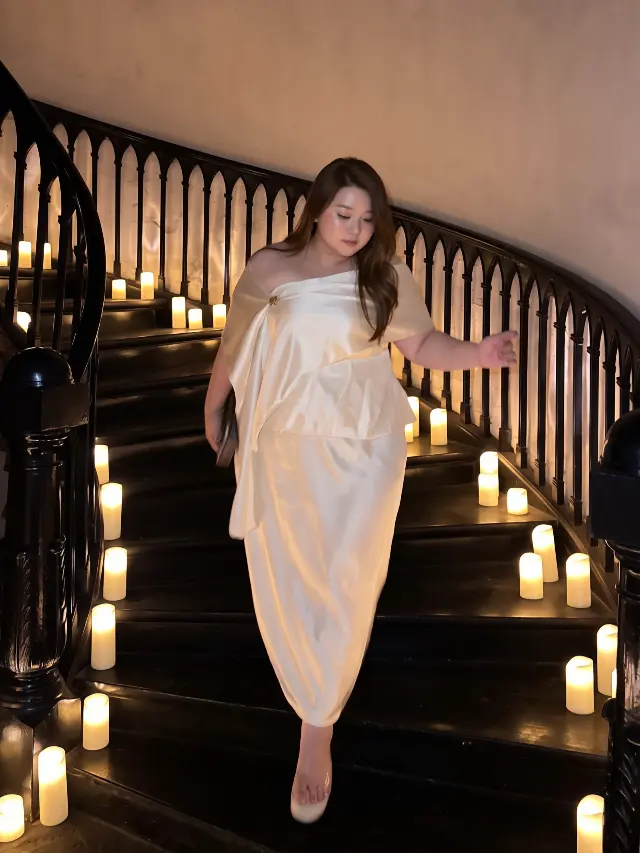
 Evening Look Styled with est.thelabel for a Memorable Night
#Brand Fashion
1 ideas
Evening Look Styled with est.thelabel for a Memorable Night
Get new #Brand Fashion ideas by email
Every Thursday: the week's best ideas, with the newest from #Brand Fashion.
Related tags
Brand Fashion: A Guide to Style, Labels and Identity
Brand fashion is the side of dressing where the label itself carries meaning. It covers clothing, bags, shoes and accessories made by a named house or company, and it treats that name as part of the design: a cut, a colour, a piece of hardware or a mark that you recognise before you can explain why. Where personal style is about what you like, brand fashion is about who made it and what that name has come to stand for.
The idea is older than it looks. Couture houses in the nineteenth and twentieth centuries built their reputations on cut and craft, then extended that reputation into perfumes, accessories and ready-to-wear so that more people could own a piece of the name. Sportswear brands did something similar from the other direction, turning practical kit into everyday clothing through sponsorship and street culture. Both routes lead to the same place: a label that promises a certain standard, a certain taste, or a certain tribe.
The main kinds
- Heritage and luxury houses, known for construction, materials and a recognisable house style.
- Designer and contemporary labels, where the name is tied to a designer's point of view rather than a long history.
- Streetwear and sportswear brands, built on utility and culture rather than formality.
- High-street and diffusion lines, which bring a brand's look to a lower price through simpler materials and faster production.
- Independent labels, smaller names whose following comes from a specific aesthetic or craft rather than mass recognition.
Read more
What beginners should know
Start with the question of what you actually want from a brand. If it is quality, look at the seams, the fabric weight, the lining, the fastenings and whether the piece holds its shape. If it is design, ask whether you would still want the item if the mark were removed. Both are legitimate reasons to buy, but they lead to different purchases.
A logo is easy to style and easy to overdo. As a rough rule, let one branded piece lead an outfit and keep everything around it quiet: plain trousers, a simple knit, uncomplicated shoes. Mixing many marks at once rarely looks considered.
Fit matters more than the name on the collar. A well-cut unbranded jacket will serve you better than an expensive piece that pulls at the shoulders, and alterations are often cheaper than upgrading.
Buying and caring
Brand fashion has a lively second-hand market, and buying pre-owned is one of the more sensible ways into a label you would not otherwise afford. Check condition honestly and ask about alterations. For new purchases, buy for the life you actually live, not for an imagined one; occasion pieces bought on impulse tend to hang unworn.
Care keeps the value in a garment. Follow the care label, store knitwear folded, keep leather away from direct heat, and clean shoes before putting them away. A branded piece looked after well can be worn for years, passed on, or resold, which is a quieter kind of luxury than the label itself.
#Brand Fashion: frequently asked questions
How do I start with brand fashion if I've never bought a labelled piece before?
Begin by deciding what you want the label to do for you — construction and longevity, or a designer's particular look. Visit stores to handle pieces, study seams, lining and fastenings, and try things on rather than buying from a screen. Starting with one well-chosen item you will genuinely wear beats assembling an outfit of marks at once.
What should I check before paying for a branded piece?
Look past the logo and judge the garment itself: fabric weight, how it falls, whether the stitching is even, and whether it keeps its shape when worn. Ask yourself honestly whether you would still want the item with the mark taken off. Trying it on and moving in it matters more than the size on the tag, since a good fit can often be adjusted by a tailor.
Which kind of brand should I choose — luxury house, streetwear or an independent label?
It depends on whether you are buying craft, culture or a distinct point of view. Heritage houses tend to offer construction and materials, sportswear labels lean on utility and everyday wear, and smaller independent names are usually about a specific aesthetic rather than wide recognition. Match the choice to how you actually dress rather than to how the label is talked about.
How do I style a branded item without the outfit looking like a billboard?
Let one branded piece lead and keep the rest quiet — plain trousers, a simple knit, understated shoes. Mixing several visible marks in the same outfit rarely reads as considered. If the branded piece is the focus, give it room; if the outfit is the focus, the label can stay subtle.
Is buying second-hand brand fashion a good idea, and what should I watch for?
Pre-owned is one of the more sensible ways into labels you would not otherwise buy, and it keeps good pieces in use. Check the condition honestly, ask whether the item has been altered, and look closely at worn areas, hardware and any repairs. Follow the care label afterwards, store knitwear folded, and keep leather and shoes away from direct heat so the piece keeps its value.
What mistakes do people make when they first get into branded clothing?
Buying for an imagined life rather than the one they live is the commonest — occasion pieces bought on impulse tend to stay in the wardrobe. Letting the logo override fit is another, since an expensive item that pulls at the shoulders serves you worse than a well-cut unbranded one. Finally, skipping care instructions quietly destroys the value you paid for.
Videos come from YouTube and posts from Instagram; titles and summaries are our own. All rights belong to their creators.